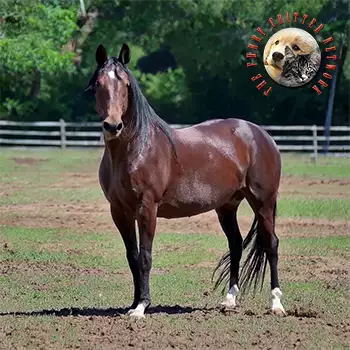

Growth & Physical Development

Standardbreds experience rapid and sometimes uneven growth during their juvenile and adolescent period, which spans roughly from weaning at four to six months through their third year. During this time, the young horse may appear gangly and disproportionate as different parts of the body grow at different rates. The hindquarters often grow faster than the front end, giving many young Standardbreds a temporarily downhill appearance that typically levels out as they mature.

By their first birthday, most Standardbred foals have reached approximately 60 to 65 percent of their adult height, though they still have considerable filling out to do. Growth plates in the legs and spine remain open well into the horse's third or even fourth year, which has significant implications for the timing and intensity of training. Placing excessive physical demands on a young horse with immature skeletal structures can lead to permanent damage.

Regular monitoring of the young Standardbred's weight and body condition is important during this period. Growth should be steady and consistent rather than characterized by dramatic surges and plateaus, which can contribute to developmental orthopedic diseases. A veterinarian or equine nutritionist can help establish growth benchmarks appropriate for the individual horse based on its breeding, frame size, and intended use.

Conformation assessments during the juvenile period can provide early insights into the horse's potential strengths and limitations. While some conformational traits change significantly as the horse matures, others such as the angle of the shoulder, the length of the back, and the overall balance of the frame are relatively stable indicators. For Standardbreds intended for harness racing, these early evaluations can help guide training and career decisions.

Nutrition & Diet Transition

The transition from a milk-based diet to solid feed is one of the most important nutritional milestones in a young Standardbred's life. Weaning typically occurs between four and six months of age, and the foal should already be eating hay and a formulated growth feed before the mare's milk is removed. Abrupt dietary changes during weaning can cause digestive upset, so the transition should be gradual and well-planned.

A properly formulated growth feed designed for young horses is essential during this period. These feeds are balanced to provide the correct ratios of calcium, phosphorus, and other minerals that support sound skeletal development. Overfeeding concentrates or providing feeds with improper mineral ratios is a common contributor to developmental orthopedic diseases in fast-growing breeds. The goal is to support steady, moderate growth rather than pushing for maximum size as quickly as possible.

Quality forage should form the foundation of the young Standardbred's diet. Good grass hay or a grass-legume mix provides the fiber necessary for healthy gut function, along with a base of calories and nutrients. Access to pasture is ideal when available, as it allows the young horse to graze naturally throughout the day, which supports both digestive health and mental wellbeing. Fresh, clean water and a salt block or loose salt should always be available.

As the Standardbred enters its second and third year, nutritional needs shift based on its activity level and stage of training. Horses entering early training programs may require additional calories, but these should come from quality fat and fiber sources rather than excessive grain. A veterinarian or equine nutritionist can help tailor the diet to the individual horse's needs, accounting for growth rate, body condition, workload, and any health considerations.

Behavioral Changes

The juvenile and adolescent period brings significant behavioral shifts as the young Standardbred develops its personality and tests social boundaries. After weaning, foals often go through a period of adjustment where they may be more vocal, anxious, or clingy with herdmates. Weaning in pairs or small groups rather than in isolation helps ease this transition and provides the social interaction young horses need for healthy psychological development.

As they approach their yearling year, Standardbreds typically become more confident and independent. Colts in particular may begin displaying dominant or pushy behaviors, testing handlers and other horses. This is a natural part of development, but it requires consistent and fair handling to ensure the young horse learns to respect human boundaries. Standardbreds are generally known for their tractable and willing nature, but even the most easygoing youngster will push limits during adolescence.

Play behavior remains important throughout the juvenile period and serves as both physical exercise and social education. Young Standardbreds engage in mutual grooming, chase games, sparring, and mock battles that teach them about herd hierarchy and communication. Horses that are raised in social groups during this period tend to develop better coping skills and more balanced temperaments than those raised in isolation.

Fillies and colts may begin showing gender-specific behaviors during their second year. Fillies may exhibit signs of estrus, becoming distracted or moody during heat cycles. Colts may become more assertive, vocal, and interested in mares. These hormonal changes are normal but should be managed carefully, particularly in mixed groups, to prevent unwanted breeding and injuries from aggressive interactions.

Training Priorities

Training a young Standardbred during the juvenile period should focus on building a solid foundation of ground manners, trust, and basic skills rather than rushing toward performance goals. Groundwork including leading, tying, standing for grooming and hoof care, and loading into a trailer forms the essential curriculum for the first year or two. These fundamental skills, taught with patience and consistency, create a cooperative and confident horse that is easier to train for more advanced work later.

Standardbreds destined for harness racing typically begin more structured training in their yearling or two-year-old year, depending on the training program and the individual horse's physical and mental readiness. Early harness training involves introducing the horse to equipment such as a surcingle, bridle, and long lines before progressing to pulling a cart or jog cart. Each step should be introduced gradually, with the horse given time to process and accept new experiences without fear.

For Standardbreds being raised as riding or pleasure horses, under-saddle training generally begins during the second or third year. The timing depends on the horse's physical maturity, particularly the development of its back and skeletal structure. Starting a horse under saddle too early can cause long-term soundness problems, so patience during this phase pays dividends throughout the horse's career.

Regardless of the intended discipline, training sessions for juvenile Standardbreds should be short, varied, and positive. Young horses have limited attention spans and can become sour or resentful if drilled repeatedly on the same task. Ending each session on a good note, even if it means scaling back to something the horse already knows well, builds confidence and maintains the willing attitude that Standardbreds are prized for.

Mental development is as important as physical training during this stage. Exposing the young horse to diverse environments, objects, sounds, and situations builds the resilience and adaptability that will serve it throughout its career. Trail rides, visits to new arenas, and exposure to traffic and commotion all contribute to a well-rounded, confident young horse.

Exercise & Activity

Appropriate exercise during the juvenile period supports the young Standardbred's physical development without overtaxing its immature musculoskeletal system. Turnout in a safe pasture remains the single best form of exercise for young horses, allowing them to move freely, play, and develop natural coordination and fitness at their own pace. Horses that are confined to stalls without adequate turnout are at greater risk for developmental problems and behavioral issues.

Structured exercise for yearlings and two-year-olds should be introduced gradually and scaled to the individual horse's level of fitness and maturity. For Standardbreds being prepared for harness racing, this progression typically moves from free lunging to long-lining to jogging in harness over a period of weeks to months. Each new level of exertion should be accompanied by close observation for signs of soreness, fatigue, or lameness.

The surface on which the young horse exercises matters considerably. Deep, soft footing places excessive strain on tendons and ligaments, while hard surfaces increase concussive forces on developing joints. A firm but yielding surface, such as a well-maintained track or arena, provides the best compromise. Varied terrain during turnout, including gentle hills and different ground textures, helps build strength and proprioception naturally.

Rest and recovery are as important as exercise itself for the developing Standardbred. Growth occurs during periods of rest, and overtraining a young horse can impair both physical development and mental wellbeing. A balanced program that includes ample turnout, moderate structured exercise, and regular rest days allows the young horse to develop fitness and strength progressively while minimizing the risk of injury.

Gelding Considerations

The decision of whether and when to geld a young Standardbred colt is an important one that involves considerations of temperament, intended use, and physical development. Most colts that are not destined for breeding are gelded, as the procedure generally results in a calmer, more manageable horse that is easier to house and train. Gelding also eliminates the management challenges associated with keeping intact males around mares.

The timing of gelding varies, but many veterinarians recommend performing the procedure when the colt is between six months and two years of age. Earlier gelding tends to result in a slightly taller, more refined horse due to delayed closure of the growth plates, while later gelding allows for more masculine muscular development. The optimal timing depends on the individual colt's development, temperament, and the owner's goals.

The gelding procedure itself is routine and is typically performed under standing sedation or general anesthesia, depending on the veterinarian's preference and the colt's temperament. Recovery is generally straightforward, with most young horses returning to normal activity within a few days. Post-operative care includes monitoring the surgical site for excessive swelling or discharge, ensuring adequate fly control, and providing appropriate exercise to promote drainage and reduce swelling.

For fillies, the question of spaying is far less common in horses than gelding is for colts. Surgical spaying is a more invasive procedure with greater risks, and it is rarely performed unless there is a medical indication. Fillies with particularly difficult heat cycles that interfere with training or quality of life can sometimes be managed with hormonal therapies prescribed by a veterinarian, offering an alternative to surgery.

Socialization & Exposure

Continued socialization during the juvenile period builds on the foundation established in the foal's first weeks and is critical for producing a well-adjusted adult Standardbred. Young horses that are exposed to a wide variety of people, animals, environments, and experiences during this developmental window are better equipped to handle the stresses and demands of training and performance later in life.

Group housing or turnout with compatible horses of similar age is one of the most effective socialization strategies. In a group setting, young Standardbreds learn to navigate social hierarchies, share resources, and communicate with other horses using body language. These skills are particularly important for horses that will eventually compete or be housed in large barn settings where interaction with other horses is unavoidable.

Exposure to common real-world stimuli should be an ongoing part of the young horse's education. This includes encountering vehicles, farm equipment, dogs, children, bicycles, umbrellas, and anything else the horse is likely to encounter in its future life. Each new experience should be introduced calmly and positively, with the handler providing reassurance without reinforcing fearful behavior. Standardbreds are generally curious and sensible, which makes them receptive to new experiences when they are introduced thoughtfully.

Hoof care is an important area of socialization that is easy to overlook. Young Standardbreds should be accustomed to having their feet handled, picked up, and trimmed by a farrier at regular intervals, typically every six to eight weeks. A foal or yearling that has been taught to stand quietly for the farrier will be a much easier horse to manage throughout its life. Early and positive experiences with routine care procedures, including veterinary examinations, deworming, and dental checks, also contribute to a cooperative and stress-free adult horse.

Always consult a qualified professional before making any health-related decisions. This content is provided for informational reference only and should not replace professional guidance specific to your animal.