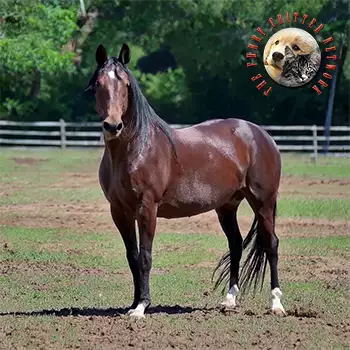

Recognizing the Signs

Recognizing when a Standardbred is approaching the end of its life requires honest observation and a willingness to see what the horse is telling you through its body and behavior. The signs of terminal decline in horses can develop gradually over weeks or months, or they can emerge suddenly in the case of acute illness or catastrophic injury. In either scenario, understanding what to look for helps the owner respond with clarity and compassion.

Chronic weight loss that does not respond to dietary adjustments is one of the most common indicators that a senior Standardbred is entering a decline. When a horse continues to lose weight despite adequate nutrition, comfortable dental function, and appropriate parasite management, it may signal that the body's systems are no longer able to absorb and utilize nutrients effectively. Progressive muscle wasting, particularly along the topline, often accompanies this weight loss.

Changes in mobility can signal that the horse's quality of life is deteriorating. A Standardbred that has increasing difficulty rising from a lying position, that stumbles frequently, or that can no longer walk comfortably to water and feed may be experiencing levels of pain or debility that cannot be adequately managed. Horses are stoic animals that often mask discomfort, so by the time they are visibly struggling, the underlying condition may be advanced.

Withdrawal from social interaction, loss of interest in food, a dull or distant expression, and a general sense that the horse's spark has dimmed are behavioral indicators that should not be dismissed. Owners who know their horse well are often the first to sense that something fundamental has shifted, even before specific physical symptoms become obvious. Trusting that intuition and discussing it with a veterinarian is an important step in the process.

Palliative & Hospice Care

Palliative care for a Standardbred focuses on maintaining comfort and quality of life when curative treatment is no longer possible or appropriate. The goal shifts from trying to fix the underlying condition to ensuring the horse's remaining time is as comfortable and stress-free as possible. This approach requires close collaboration between the owner and veterinarian to develop a care plan that addresses pain, nutrition, mobility, and emotional wellbeing.

Pain management is the cornerstone of equine palliative care. A veterinarian can prescribe appropriate medications and therapies to keep the horse comfortable, adjusting the protocol as the horse's condition evolves. The effectiveness of pain management should be assessed regularly by observing the horse's behavior, appetite, and willingness to move. A horse that is eating well, interacting with companions, and moving without obvious distress is generally experiencing adequate pain control.

Environmental modifications can significantly improve the comfort of a horse in hospice care. Deep bedding in the stall provides cushioning for arthritic joints and makes lying down and rising easier. Easy access to food and water without the need to navigate steep terrain or compete with more dominant herdmates reduces stress and physical strain. Shelter from extreme weather and protection from insects are simple measures that contribute meaningfully to the horse's daily comfort.

The emotional dimension of hospice care matters for horses just as it does for other sentient beings. Standardbreds form deep bonds with their caregivers and companions, and maintaining those connections during the final phase of life is important. Regular grooming sessions, quiet time spent together, and the presence of familiar herdmates provide emotional comfort. The owner's calm and loving presence reassures the horse during a vulnerable time.

The Decision

Deciding when to euthanize a beloved Standardbred is one of the most difficult decisions a horse owner will ever face. There is rarely a single, obvious moment when the answer becomes clear, and owners often struggle with the fear of acting too soon or waiting too long. Veterinary guidance, quality of life assessments, and honest self-reflection are all essential tools in navigating this decision.

A helpful framework for the decision involves asking whether the horse has more bad days than good days. A good day for an aging or ill horse might include comfortable movement, interest in food, social engagement with herdmates, and a generally content demeanor. A bad day might involve visible pain, refusal to eat, inability to rise without assistance, or a withdrawn and listless attitude. When the balance tips consistently toward bad days despite best efforts at palliative care, it is often time to have a serious conversation with the veterinarian.

Some owners find it helpful to establish specific criteria in advance — lines they will not allow their horse to cross — such as the inability to rise unassisted, persistent refusal of food, or uncontrollable pain. Having these benchmarks defined during a calm and thoughtful period, rather than in the midst of a crisis, can provide clarity when emotions are running high. These criteria should be revisited regularly as the horse's condition evolves.

It is important to recognize that choosing humane euthanasia is an act of compassion, not failure. The ability to spare a horse from prolonged suffering is a profound responsibility and, for many owners, the final act of love they can offer. Veterinarians who have guided many families through this process can provide invaluable support, perspective, and reassurance that the decision is being made in the horse's best interest.

The Process

Understanding what happens during equine euthanasia can help reduce anxiety for owners who are facing this event for the first time. In most cases, the veterinarian administers a heavy sedative first, which causes the horse to become deeply relaxed and drowsy. Once the horse is fully sedated and no longer aware of its surroundings, a second injection of a concentrated euthanasia solution is given intravenously, which quickly and painlessly stops the heart.

The horse may be euthanized in its stall, in a familiar paddock, or in another location that is meaningful or practical. Many owners prefer to have the procedure performed in a quiet, familiar setting where the horse feels safe. The veterinarian will discuss logistics in advance, including the position of the horse, the expected timeline, and what the owner can expect to see during and after the procedure.

Owners should be prepared for certain physical responses that can occur after the injection, including involuntary muscle movements, gasping breaths, and release of bodily fluids. These are reflexive actions that occur after the horse has lost consciousness and is not experiencing any pain or awareness. While they can be startling, understanding that they are normal and do not indicate suffering can help the owner remain composed.

Whether to be present during the euthanasia is a deeply personal decision. Some owners find great comfort in being with their horse until the very end, offering a final touch and a familiar voice. Others prefer to say their goodbyes beforehand and not be present for the procedure itself. There is no right or wrong choice, and the veterinarian and support staff will respect whatever the owner decides. The priority is ensuring that the horse's final moments are peaceful and free from fear.

Aftercare Options

Aftercare for a euthanized or deceased Standardbred involves practical decisions that should ideally be considered before the need arises. The size of a horse makes aftercare logistics more complex than for smaller animals, and available options vary significantly by geographic region, local regulations, and the facilities accessible to the owner.

Burial on the owner's property is permitted in some areas and can provide a meaningful final resting place. However, local ordinances regarding burial depth, proximity to water sources, and land use restrictions must be researched and followed. The logistics of excavating a grave large enough for a horse require heavy equipment, and arrangements should be made in advance with a contractor or farm equipment operator.

Cremation is available through equine cremation services in many regions, with options ranging from communal cremation to individual cremation with return of ashes. Individual cremation allows the owner to keep the horse's ashes in an urn or scatter them in a meaningful location. The cost of equine cremation is substantially higher than for smaller animals due to the size and time required, and pricing should be confirmed with the cremation facility in advance.

Rendering and composting are other aftercare options that may be available depending on the region. While these methods may feel less personal, they are environmentally responsible approaches that are accepted by many horse owners, particularly in agricultural communities. Some veterinary schools and equine hospitals also accept donated remains for educational purposes, which some owners find meaningful as a way for their horse to contribute to the advancement of equine medicine. The veterinarian can help the owner navigate the available options and make arrangements that align with their wishes and practical circumstances.

Grief & Healing

The loss of a Standardbred companion can be one of the most profound grief experiences a person endures. Horses are not just pets — they are partners, athletes, confidants, and members of the family. The bond formed over years of daily care, shared experiences, and mutual trust creates a relationship unlike any other, and its loss leaves a significant void. Allowing yourself to grieve fully and without apology is an essential part of the healing process.

Grief after losing a horse manifests differently for everyone. Some people experience intense sadness, difficulty concentrating, loss of appetite, or disrupted sleep. Others may feel anger, guilt about the timing of the decision, or a pervasive sense of emptiness when they walk to the barn. All of these responses are normal and valid. The depth of grief often surprises people who have not experienced the loss of a large animal companion before, and well-meaning friends or family members who have not shared a similar bond may not fully understand the magnitude of the loss.

Finding support from others who understand the human-horse bond can be tremendously helpful during the grieving period. Equine communities, both local and online, often provide compassionate spaces where horse owners can share their experiences and find understanding. Pet loss support hotlines and grief counselors who specialize in animal loss are also available and can provide professional guidance for those struggling with particularly intense or prolonged grief.

Honoring the horse's memory in a meaningful way can provide comfort and a sense of closure. Some owners create memorial gardens, commission portraits, or compile photo albums documenting the horse's life. Others make donations to Standardbred rescue organizations or equine research foundations in their horse's name. There is no timeline for healing, and the memory of a beloved horse does not need to fade for life to move forward. Many owners find that the love and lessons their horse gave them become a lasting part of who they are, carried forward into every interaction with horses that follow.

Always consult a qualified professional before making any health-related decisions. This content is provided for informational reference only and should not replace professional guidance specific to your animal.