
Peak Health Maintenance

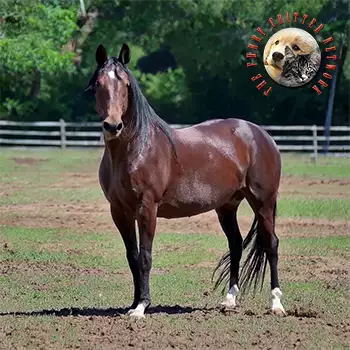
The adult years for a Standardbred generally span from around four years of age through the mid to late teens, representing the period when the horse is physically mature, mentally settled, and capable of performing at its best. Maintaining peak health during these years requires a proactive approach that combines daily observation, routine veterinary care, and attention to the horse's overall condition and demeanor.

Daily health checks should become second nature for any Standardbred owner. A quick assessment each morning that includes checking the horse's eyes, nostrils, legs, and hooves, observing its appetite and manure consistency, and noting its general attitude provides an invaluable baseline. Subtle changes in any of these areas can be early indicators of developing problems that are far easier to address when caught early.

Standardbreds are generally hardy and sound horses, but like all breeds they are susceptible to certain conditions that benefit from vigilant monitoring. Owners should pay particular attention to hoof health, respiratory function, and musculoskeletal soundness, especially in horses with a history of racing. Former racehorses transitioning to second careers as riding or driving horses may carry the effects of their earlier training, and their care should be tailored accordingly.

Annual or biannual veterinary wellness exams form the cornerstone of preventive health care for the adult Standardbred. These visits typically include a thorough physical examination, dental check, vaccination updates, and a discussion of any concerns the owner has noticed. Blood work may be recommended periodically to screen for metabolic conditions or organ function changes, particularly as the horse moves into its teens.

Nutrition at Maturity

Feeding the adult Standardbred is a matter of matching caloric intake and nutritional quality to the horse's workload, body condition, and individual metabolism. Unlike the growing years when specific growth formulations are needed, the mature horse's diet can be simpler, with high-quality forage forming the majority of the ration. Most adult Standardbreds in light to moderate work do well on good hay and pasture with a ration balancer or vitamin-mineral supplement to fill nutritional gaps.

Horses in heavier work, whether competing in harness racing, endurance riding, or other demanding disciplines, require additional calories to maintain body condition. These extra calories are best provided through fat sources such as stabilized rice bran or vegetable oil, and through digestible fiber sources such as beet pulp, rather than through large volumes of grain. High-starch diets can contribute to digestive upset, behavioral problems, and metabolic conditions in some horses.

Body condition scoring on a regular basis helps owners objectively assess whether their Standardbred is at an appropriate weight. The ideal body condition for most adult Standardbreds falls in the moderate range, where the ribs can be felt but not seen, the topline is well-muscled, and there is a smooth covering of flesh over the hip bones. Both obesity and excessive leanness carry health risks and should be addressed through dietary adjustments.

Water intake is an often-overlooked aspect of equine nutrition. An adult Standardbred drinks between eight and twelve gallons of water daily under normal conditions, with intake increasing significantly during hot weather or heavy exercise. Clean, fresh water should be available at all times, and owners should monitor water consumption as a sudden decrease can indicate illness or discomfort.

Exercise & Fitness

The Standardbred's athletic heritage makes it well-suited to a variety of exercise programs, from competitive harness racing to trail riding, dressage, and pleasure driving. The key to maintaining fitness in the adult horse is a consistent, well-structured program that builds and maintains cardiovascular endurance, muscular strength, and flexibility without causing repetitive strain or burnout.

For Standardbreds in active competition, training programs are typically designed around the specific demands of the discipline. Harness racers follow carefully periodized schedules that include slow jog miles, speed work, and recovery days. Riding Standardbreds benefit from varied work that includes flatwork, hill conditioning, trail riding, and arena exercises. Cross-training not only builds overall fitness but also keeps the horse mentally engaged and reduces the risk of overuse injuries.

Turnout remains important for the adult Standardbred, even one in regular training. Time spent moving freely in a paddock or pasture allows the horse to stretch, relax, and engage in natural movement patterns that support joint health and mental wellbeing. Horses that are stabled full-time without turnout are at greater risk for stiffness, behavioral vices, and digestive problems.

Recovering from intense exercise is as important as the exercise itself. Cool-down routines after hard work should include gradual reduction in pace, walking until the horse's breathing returns to normal, and post-exercise leg care such as cold hosing or liniment application if indicated. Monitoring the horse's recovery rate over time provides useful information about its fitness level and can alert the owner to developing soundness issues.

Preventive Health Care

A comprehensive preventive health program for the adult Standardbred encompasses vaccinations, parasite management, dental care, and hoof maintenance. Vaccination protocols should be developed with a veterinarian based on the horse's risk factors, which include geographic location, travel schedule, and exposure to other horses. Core vaccines typically protect against tetanus, Eastern and Western equine encephalomyelitis, West Nile virus, and rabies, with additional vaccines recommended based on regional disease prevalence.

Parasite management has evolved significantly from the days of rotational deworming on a fixed schedule. Current best practice involves performing fecal egg counts to identify which horses in a herd are high shedders and targeting treatment accordingly. This strategic approach reduces the development of drug-resistant parasites while still protecting the horse's health. A veterinarian can help design a parasite management program tailored to the farm's specific situation.

Dental care is a critical component of equine health that directly impacts nutrition, comfort, and performance. Adult Standardbreds should have their teeth examined and floated by an equine dentist or veterinarian at least once a year, with more frequent attention for horses with known dental issues. Sharp enamel points, hooks, and wave mouth are common findings that, if left untreated, can cause pain, difficulty eating, and resistance to the bit.

Hoof care on a regular schedule, typically every six to eight weeks, keeps the Standardbred sound and comfortable. Whether the horse is barefoot or shod depends on its workload, hoof quality, and the surfaces it works on. Standardbreds used for racing are typically shod with specialized shoes suited to their gait and track conditions, while those in lighter work may do well barefoot with regular trimming. The farrier and veterinarian should work together to address any hoof-related soundness concerns.

Behavioral Maturity

By the time a Standardbred reaches full adulthood, typically around five to six years of age, its personality and behavioral tendencies are well established. The breed is known for a calm, willing, and forgiving temperament that makes it an excellent partner for riders and drivers of varying experience levels. Adult Standardbreds tend to be reliable and level-headed, qualities that have made retired racehorses increasingly popular as pleasure and sport horses.

Even a well-trained adult horse benefits from ongoing mental stimulation and varied activities. Horses that perform the same routine day after day can become bored, sour, or resistant. Incorporating variety into the horse's schedule, whether through different riding locations, new exercises, or simply changes in routine, keeps the Standardbred mentally fresh and engaged. The breed's intelligence and curiosity make it responsive to new challenges when they are presented fairly.

Behavioral changes in an adult horse that has been previously consistent should always be investigated rather than dismissed as attitude problems. A horse that suddenly becomes resistant, spooky, or difficult may be experiencing pain, vision changes, or other physical discomfort. A thorough veterinary evaluation, including a lameness exam and dental check, should be the first step whenever an unexplained behavioral shift occurs.

The bond between a Standardbred and its handler deepens over time with consistent, fair treatment. These horses are known for forming strong attachments to their regular caregivers and can be remarkably attuned to human emotions and body language. Investing in the relationship through positive interactions, grooming sessions, and quiet time together pays dividends in the form of a horse that is truly a willing partner.

Dental & Hoof Care

Dental health in the adult Standardbred requires regular professional attention to ensure the horse can eat efficiently and carry a bit comfortably. Horses' teeth erupt continuously throughout their lives, and uneven wear patterns can create sharp points, hooks, ramps, and other abnormalities that interfere with chewing and cause oral pain. Annual dental examinations with floating as needed keep the dental arcade balanced and the horse comfortable.

Signs that a Standardbred may be experiencing dental discomfort include dropping partially chewed food, tilting the head while eating, reluctance to accept the bit, excessive salivation, and weight loss despite adequate feed. Some horses develop the habit of dunking their hay in water to soften it, which can indicate difficulty chewing. Any of these signs warrant a prompt dental examination.

Hoof care for the adult Standardbred goes beyond regular farrier visits, though those visits are essential. Daily hoof picking removes debris and allows the owner to inspect for signs of thrush, abscesses, cracks, or bruising. The condition of the hoof wall, sole, and frog provides valuable information about the horse's overall health and nutrition, as poor hoof quality can reflect nutritional deficiencies or systemic health issues.

Standardbreds that have raced may have specific hoof care needs related to the stresses their feet endured during their racing careers. Some develop thin soles, underrun heels, or other conformational changes that require corrective shoeing or careful barefoot management. Working with a farrier who understands the breed's typical foot characteristics and the individual horse's history ensures the best possible hoof health throughout the adult years.

Always consult a qualified professional before making any health-related decisions. This content is provided for informational reference only and should not replace professional guidance specific to your animal.