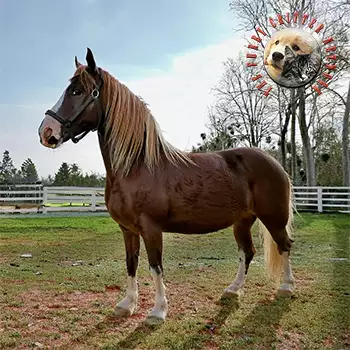

Recognizing the Signs

Knowing when a Peruvian Paso is approaching the end of its life requires a combination of veterinary expertise and the intimate knowledge that comes from years of daily care. The signs may appear gradually over months or arrive suddenly in the form of an acute crisis. In either case, honest recognition of the horse's declining condition is the first and most difficult step in the end-of-life process. Denial, while a natural human response, can extend suffering and delay the compassionate interventions that the horse deserves.

Chronic conditions that were previously manageable may reach a point where treatment no longer provides meaningful relief. A horse with advanced arthritis that can no longer rise without assistance, a horse with Cushing's disease that develops recurrent laminitis despite medication, or a horse with progressive weight loss that does not respond to dietary intervention may all be signaling that the body's reserves are exhausted. The absence of dramatic pain does not necessarily mean the horse is comfortable; quiet withdrawal, loss of interest in food and companions, and a dull expression can indicate a level of suffering that is not immediately obvious.

Changes in fundamental behaviors provide some of the most reliable indicators. A Peruvian Paso that once greeted its owner at the gate but now stands apart, a horse that leaves feed uneaten or drops excessive amounts while chewing, or a horse that lies down more frequently and struggles to rise are all communicating important information about their physical state. Tracking these changes over time, ideally with written notes or a simple daily checklist, creates an objective record that helps counterbalance the emotional difficulty of acknowledging decline.

Consultation with your veterinarian is essential when you observe persistent changes in your horse's condition or behavior. A professional assessment can help distinguish between treatable conditions and irreversible decline, and can provide clarity about the likely trajectory of the horse's health. This conversation, while difficult, is an act of advocacy on behalf of an animal that cannot speak for itself.

Palliative & Hospice Care

Palliative care for the aging or terminally ill Peruvian Paso focuses on maximizing comfort and quality of life rather than pursuing curative treatment. This approach acknowledges that the goal has shifted from fixing the problem to ensuring that the horse's remaining time is as comfortable and dignified as possible. Palliative care is not a lesser form of care; it requires just as much attentiveness and veterinary involvement as aggressive treatment, often more.

Pain management is the cornerstone of equine palliative care. Your veterinarian can design a pain management protocol appropriate for your horse's specific conditions, which may include anti-inflammatory medications, targeted joint therapies, or other interventions. The effectiveness of pain management should be assessed regularly, as needs may change over time. A horse that is comfortable, eating, and engaging with its environment is receiving effective palliative support. A horse that remains withdrawn, reluctant to move, or disinterested in food despite treatment may be indicating that current interventions are no longer sufficient.

Environmental comfort takes on heightened importance during the hospice period. Deep, soft bedding that cushions arthritic joints and makes lying down and rising easier is essential. Easy access to fresh water, feed presented at a comfortable height, and protection from weather extremes reduce the daily physical challenges faced by a compromised horse. If the horse is unable to maintain body temperature effectively, a well-fitted blanket during cold weather can make a significant difference in comfort.

Emotional well-being matters during this stage. The Peruvian Paso is a breed that forms strong bonds with both humans and equine companions, and maintaining these connections supports the horse's mental state even as physical function declines. Quiet time spent grooming, hand-grazing in a favorite spot, or simply sitting near the horse provides comfort to both horse and owner. The presence of a familiar companion horse nearby can reduce anxiety and provide the social reassurance that herd animals find grounding.

The Decision

The decision to euthanize a horse is among the most painful choices an owner will face, and there is no formula that makes it simple. For the Peruvian Paso owner who has shared years or even decades with their horse, the weight of this decision can feel overwhelming. It is important to understand that choosing euthanasia when a horse's suffering cannot be adequately managed is not a failure of care. It is the final act of responsibility and compassion in a lifetime of stewardship.

Timing is the central challenge. Acting too soon feels premature and triggers guilt over time that might have been shared. Waiting too long means the horse suffers unnecessarily while the owner gathers the courage to act. Most veterinarians and experienced horse owners advise erring toward sooner rather than later, guided by the principle that it is better for the horse to leave this world on a relatively good day than to endure a slow descent into crisis. The phrase that resonates with many owners is the simple question: am I keeping the horse alive for its sake, or for mine?

Conversations with your veterinarian, trusted friends who know the horse, and family members who share the bond can provide perspective and support during the decision-making process. Your veterinarian can offer a clinical assessment of the horse's condition and prognosis, including an honest evaluation of whether additional treatment is likely to provide meaningful improvement or merely prolong the inevitable. Some owners find it helpful to establish specific criteria in advance, a set of conditions or milestones that, when reached, will signal that the time has come.

Giving yourself permission to grieve before, during, and after the decision is not weakness. The depth of grief reflects the depth of the bond, and a relationship built over years of daily care, shared experiences, and mutual trust deserves to be honored with honest emotion. There is no correct timeline for readiness, but there is a point at which the horse's needs must take precedence over the owner's reluctance to let go.

The Process

Understanding what happens during equine euthanasia can alleviate some of the fear and uncertainty that surrounds the process. When performed by a skilled veterinarian, euthanasia is rapid, humane, and designed to minimize distress for the horse. Most veterinarians will administer a heavy sedative first, which allows the horse to become deeply relaxed and unaware of its surroundings. Once the horse is fully sedated, an overdose of a barbiturate anesthetic is administered intravenously, which causes unconsciousness and cardiac arrest within seconds.

The owner should discuss logistics with the veterinarian in advance. Key considerations include the location, whether the procedure will take place in the horse's stall, in a paddock, or in another area, as well as who will be present. Many owners choose to be with their horse during the process, finding comfort in the ability to offer a final touch and a calm voice. Others prefer to say goodbye beforehand and step away. Neither choice is right or wrong, and the decision should be based on what the owner feels they can manage emotionally without adding stress to the environment.

It is important to be aware that the horse's body may exhibit involuntary muscle movements and gasping reflexes after death. These are not signs of consciousness or pain but rather the body's residual neurological activity ceasing. Your veterinarian will prepare you for this possibility so that it does not cause unnecessary alarm during an already emotional moment. The horse loses consciousness before these reflexes occur and does not experience them.

Planning for body removal should be arranged before the procedure takes place. The logistics of handling a horse's remains, which can weigh a thousand pounds or more, require advance coordination with the appropriate service providers. Having these arrangements in place removes the burden of making practical decisions during a time of acute grief and ensures that the process proceeds smoothly and respectfully.

Aftercare Options

Several options exist for the handling of a Peruvian Paso's remains, and the choice depends on personal preference, local regulations, property size, and budget. Understanding the available options in advance allows the owner to make a thoughtful decision rather than being forced into a hurried choice under emotional duress. Your veterinarian or local equine community can provide guidance on the services available in your area.

Burial on the owner's property is permitted in many rural areas, though local regulations governing burial depth, proximity to water sources, and property size vary by jurisdiction. A burial site should be chosen on high ground with good drainage, away from wells and waterways. Heavy equipment is typically needed to excavate a grave of sufficient size and depth for a horse. Some owners plant a tree or create a simple memorial at the burial site as a lasting tribute to their companion.

Cremation is an increasingly popular option that is available in most regions through equine cremation services. Both communal cremation, where multiple animals are cremated together, and private cremation, where the horse is cremated individually and the ashes returned to the owner, are typically offered. Private cremation is more costly but allows the owner to keep or scatter the remains in a meaningful location. Some facilities offer the option of being present during the cremation process.

Rendering and composting are additional options that are practical rather than sentimental but serve an important function in responsible remains management. Composting, conducted properly, is an environmentally sound method that is gaining acceptance in the equine community. Local agricultural extension offices can provide guidance on equine composting protocols. Whatever method is chosen, making the arrangements in advance and communicating your wishes to those who may need to act on your behalf ensures that the horse's remains are handled in accordance with your values.

Grief & Healing

The grief that follows the loss of a Peruvian Paso can be profound and disorienting, particularly when the horse has been a daily presence for many years. Horses occupy a unique place in the lives of their owners, serving as partners, confidants, and sources of routine and purpose. The absence of a horse that required daily feeding, turnover, grooming, and attention creates a void that extends far beyond the emotional, disrupting the physical rhythms and daily structure of the owner's life.

Grief does not follow a predictable timeline or a neat progression through defined stages. Waves of sadness may arrive unexpectedly, triggered by small things: the sound of a whinny from another horse, an empty stall, a halter hanging on a hook, or the habit of glancing toward the pasture at feeding time. These moments are not setbacks in the healing process but rather natural expressions of a bond that was real and meaningful. Allowing yourself to experience these emotions without judgment is an important part of moving through grief.

Support from others who understand the human-horse bond can be enormously comforting during this period. Fellow horse owners, breed community members, and equine-focused grief support groups, many of which are available online, provide spaces where the depth of the loss is understood and validated. Friends and family who do not share the same connection to horses may offer well-meaning but inadequate comfort. Seeking out those who truly understand the relationship is not a sign of weakness but a recognition that this particular grief has its own character.

In time, many owners find that the grief gradually transforms from acute pain into a quieter sense of gratitude for the years shared. Memorializing the horse through photographs, a written tribute, a donation to a breed rescue organization, or the planting of a tree can provide a constructive channel for the love that remains after the horse is gone. Some owners eventually welcome another horse into their lives, not as a replacement but as a new relationship made possible by the capacity for connection that the Peruvian Paso helped them develop. Others find peace in stepping back from horse ownership, carrying the experience forward as an enduring part of who they are.

Always consult a qualified professional before making any health-related decisions. This content is provided for informational reference only and should not replace professional guidance specific to your animal.