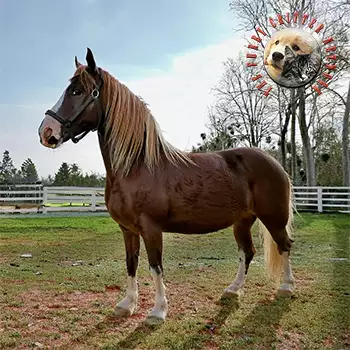

Peak Health Maintenance

The adult Peruvian Paso, generally considered fully mature between five and six years of age, enters a period of peak physical capability that can extend well into the late teens with proper management. Maintaining this vitality requires a holistic approach that addresses nutrition, exercise, hoof care, dental health, and preventive veterinary medicine as interconnected components of a unified care strategy rather than isolated tasks to be checked off a list.

Annual or semi-annual veterinary wellness examinations serve as the cornerstone of adult health maintenance. These visits allow your veterinarian to establish baseline values for heart rate, respiratory rate, weight, and body condition score, making it far easier to detect subtle changes over time. Blood work performed during wellness visits can reveal early signs of metabolic issues, organ dysfunction, or nutritional deficiencies before clinical symptoms appear.

Vaccination protocols for adult horses should be tailored to geographic region, lifestyle, and risk factors. Core vaccines recommended for all horses regardless of location include those for tetanus, Eastern and Western equine encephalomyelitis, West Nile virus, and rabies. Risk-based vaccines such as those for influenza, rhinopneumonitis, and strangles depend on the horse's exposure to other equines through shows, trail rides, or boarding situations. Your veterinarian can design a schedule appropriate for your Peruvian Paso's specific circumstances.

Parasite management in the adult horse has evolved significantly in recent decades. Strategic deworming based on fecal egg counts has largely replaced the older rotational deworming calendar, reducing the development of anthelmintic resistance while still protecting the horse from harmful parasite burdens. Most adult horses fall into low or moderate shedder categories and require fewer treatments than was once believed, though a small percentage of high shedders may need more frequent intervention.

Nutrition at Maturity

The mature Peruvian Paso's nutritional needs are generally straightforward compared to those of growing or breeding horses. Quality forage, either as pasture or hay, should constitute the majority of the diet, typically one and a half to two and a half percent of body weight per day in dry matter. The breed's moderate build and efficient metabolism mean that many Peruvian Pasos maintain excellent condition on good forage alone, with minimal or no grain supplementation required.

Body condition scoring on a regular basis provides an objective measure of whether the horse is receiving appropriate nutrition. The ideal body condition for a working Peruvian Paso falls in the moderate range, where the ribs can be felt with light pressure but are not visually prominent. Excess weight places unnecessary stress on joints, hooves, and metabolic systems, while an underweight horse lacks the energy reserves needed for work and immune function.

Peruvian Pasos, like many breeds with easy-keeping tendencies, may be susceptible to metabolic conditions such as equine metabolic syndrome if allowed to become overweight. Horses with this condition have difficulty regulating blood sugar and insulin levels and are at elevated risk for laminitis, a painful and potentially devastating hoof condition. Managing caloric intake, limiting access to lush pasture during high-sugar growth periods, and maintaining a regular exercise program are the primary strategies for preventing metabolic dysfunction.

Supplementation should be guided by forage analysis and veterinary recommendation rather than guesswork. A well-formulated vitamin and mineral supplement can address gaps in forage nutrition, particularly for horses without access to diverse pasture. Electrolyte supplementation may be appropriate for horses in heavy work or during hot weather. Salt should be available free-choice at all times, as horses cannot store sodium and rely on daily intake to maintain fluid balance.

Exercise & Fitness

The Peruvian Paso is a versatile riding horse whose smooth, ground-covering gait makes it a superb partner for trail riding, endurance work, ranch activities, and the show ring. Adult horses benefit from a consistent exercise program that balances fitness development with adequate recovery time. Variety in terrain, speed, and duration keeps the horse mentally engaged and develops a broader base of physical fitness than repetitive arena work alone can achieve.

The breed's natural paso llano gait is its defining feature and greatest asset under saddle. This four-beat lateral gait produces remarkably little vertical movement, allowing the rider to cover significant distances in comfort. Maintaining and refining this gait through correct riding and conditioning is a primary training objective during the adult years. Work on hills strengthens the hindquarters and encourages the horse to engage its core, both of which support gait quality and overall soundness.

Fitness programs should be built gradually, with increases in intensity and duration introduced in manageable increments. A horse returning to work after a layoff period needs time to rebuild cardiovascular fitness, muscular strength, and tendon resilience. Rushing the conditioning process is a common cause of soft tissue injuries that can sideline a horse for months. A reasonable rule of thumb is that it takes approximately as long to bring a horse back to fitness as the duration of the layoff.

Rest and recovery are as important as work. Horses in regular training benefit from scheduled days off, and turnout should be maximized whenever possible. The adult Peruvian Paso that spends most of its time in a stall with only brief, intense exercise sessions is at greater risk for behavioral issues, digestive problems, and musculoskeletal stress than one that enjoys daily movement and social interaction with other horses.

Preventive Health Care

Hoof care is perhaps the single most impactful preventive health measure for the adult Peruvian Paso. Regular trimming or shoeing on a four- to eight-week schedule maintains proper hoof balance, supports healthy gait mechanics, and prevents the cascading structural problems that arise from neglected feet. The breed's naturally well-shaped hooves are an advantage, but they still require professional attention. Finding a farrier experienced with gaited breeds can make a meaningful difference in maintaining correct movement.

Dental care is another frequently underestimated aspect of adult horse health. Horses' teeth erupt continuously throughout life and develop sharp enamel points, hooks, and uneven wear surfaces that can cause pain, difficulty chewing, weight loss, and resistance to the bit. Annual dental examinations, with floating (filing) as needed, keep the horse comfortable and able to process forage efficiently. Dental problems left unaddressed can lead to secondary issues including impaction colic and chronic poor condition.

Skin and coat health reflect overall internal health and deserve regular attention. Routine grooming removes dirt, distributes natural oils, and provides an opportunity to inspect the horse for cuts, lumps, ticks, fungal infections, and other abnormalities. The Peruvian Paso's fine, silky coat and flowing mane and tail are breed hallmarks that benefit from regular care. Rain rot, scratches, and other dermatological conditions are easier to treat when caught early.

Eye health, often overlooked in routine care, warrants regular observation. Horses are prone to conditions such as equine recurrent uveitis, commonly known as moon blindness, which can progress to permanent vision loss if not identified and managed early. Any sign of tearing, cloudiness, squinting, or swelling around the eye should prompt a veterinary examination without delay.

Behavioral Maturity

The adult Peruvian Paso is typically a model of equine temperament: calm, cooperative, people-oriented, and sensible under pressure. These traits, cultivated through centuries of selective breeding, make the breed an excellent choice for a wide range of riders, from experienced horsemen to those seeking a confidence-building partner. However, good temperament is not a substitute for good training, and even the most naturally tractable horse benefits from ongoing education and consistent handling.

Behavioral maturity in the Peruvian Paso generally solidifies between five and seven years of age, though individual variation exists. By this stage, a well-handled horse should be reliable in its ground manners, responsive under saddle, and comfortable with routine procedures such as farrier visits, veterinary examinations, and trailer loading. Persistent behavioral issues in a mature horse often signal an underlying problem, whether physical pain, inadequate training, or an environmental stressor that needs to be identified and addressed.

The adult years are an excellent time to expand the horse's skill set and exposure. Trail riding in new locations, participation in shows or organized rides, and introduction to new disciplines keep the horse mentally stimulated and deepen the partnership between horse and rider. The Peruvian Paso's willing attitude and natural curiosity make it an enthusiastic participant in new experiences when introduced with patience and appropriate preparation.

Social needs do not diminish with maturity. Horses are herd animals with a deep need for companionship, and the Peruvian Paso is no exception. Isolated horses are more prone to anxiety, stereotypic behaviors, and difficulty adjusting to new situations. Where possible, housing arrangements should allow the horse visual and physical contact with at least one compatible companion. Even a calm companion animal such as a goat or donkey can provide meaningful social comfort for a horse that cannot be kept with others of its kind.

Hoof & Grooming Care

The Peruvian Paso's hooves are the foundation of its celebrated gait and the focus of ongoing management throughout the adult years. Proper hoof balance directly affects gait quality, limb loading, and long-term soundness. A knowledgeable farrier will evaluate each hoof individually, considering breakover point, heel height, medial-lateral balance, and the horse's natural way of going before making trimming or shoeing decisions. Changes should be made incrementally, as dramatic alterations in hoof angle can create soreness and disrupt the horse's established movement patterns.

Many Peruvian Pasos perform well barefoot, particularly those working primarily on moderate terrain. The breed's naturally dense, well-conformed hooves often hold up without shoes, and barefoot management allows the hoof to function as nature intended, with full expansion and contraction during the stride cycle. However, horses working on rocky, abrasive, or hard surfaces may benefit from protective shoeing. The decision should be based on the individual horse's hoof quality, workload, and environment rather than blanket breed assumptions.

Grooming the Peruvian Paso is both a practical necessity and an opportunity to bond with the horse. The breed's characteristically long, luxurious mane and tail require regular attention to prevent tangling and breakage. Gentle detangling with a wide-toothed comb or fingers, working from the ends upward, preserves hair length and quality. Bathing should be done sparingly to avoid stripping natural oils, and a quality conditioner can help maintain the silky texture that distinguishes the breed's presentation.

Beyond aesthetics, grooming sessions serve as a full-body health check. Running hands over the entire horse reveals heat, swelling, lumps, or areas of sensitivity that might otherwise go unnoticed. Picking hooves daily removes packed debris and allows early detection of thrush, abscesses, or foreign objects. The few minutes spent grooming each day are an investment in both the horse's physical health and the quality of the human-horse relationship.

Always consult a qualified professional before making any health-related decisions. This content is provided for informational reference only and should not replace professional guidance specific to your animal.