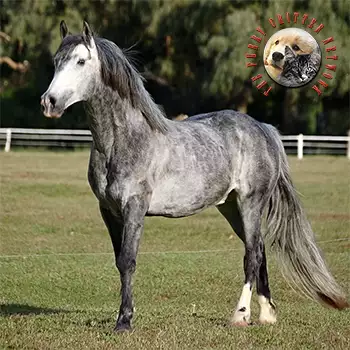

Recognizing the Signs

Recognizing when a Paso Fino is approaching the end of its life requires careful observation and a willingness to see what may be painful to acknowledge. The signs of terminal decline can be gradual, accumulating over weeks or months, or they can appear suddenly in the case of an acute illness or catastrophic injury. In either scenario, understanding what to look for helps owners respond with appropriate compassion and timeliness.

Chronic weight loss that does not respond to dietary adjustments is one of the most common indicators that a horse's body is failing. When a senior Paso Fino continues to lose condition despite receiving adequate nutrition in a form it can consume, the underlying cause may be organ failure, advanced cancer, severe dental disease beyond correction, or malabsorption from intestinal dysfunction. A veterinary workup can help identify the cause, but in some cases, the diagnosis itself confirms that the condition is not treatable.

Mobility decline is another significant marker. A Paso Fino that can no longer rise from lying down without assistance, that stumbles frequently, or that stands in one place for extended periods because movement is too painful is communicating that its quality of life is seriously compromised. Chronic laminitis, severe arthritis, and neurological conditions can all reach a point where pain management is no longer sufficient to maintain comfort.

Behavioral withdrawal often accompanies physical decline. A Paso Fino that was once engaged, curious, and responsive to its handler but now stands with a dull expression, shows no interest in food or companions, and does not react to stimuli in its environment may be experiencing a level of suffering that is not outwardly dramatic but is deeply diminishing. These quiet signs deserve the same weight as more obvious physical symptoms when evaluating the horse's overall condition.

Palliative & Hospice Care

Palliative care for a Paso Fino focuses on maintaining comfort and dignity when a cure is no longer possible. The goal shifts from treating the underlying disease to managing its symptoms so that the horse can continue to experience good days with minimal suffering. This approach requires close collaboration with the veterinarian and honest ongoing assessment of whether the interventions are achieving their intended purpose.

Pain management is the cornerstone of equine palliative care. Depending on the horse's condition, this may include anti-inflammatory medications, targeted pain relief for specific areas, joint injections, and environmental modifications that reduce physical demands. The veterinarian can help design a pain management protocol that balances effectiveness with side effects, as some medications carry risks of gastric ulceration or kidney stress when used long-term.

Nutritional support during hospice care focuses on providing whatever the horse can and will eat in the most palatable and digestible form possible. Soaked feeds, fresh grass if available, and small frequent offerings of favorite treats can encourage eating in a horse with a declining appetite. Hydration is equally important, and some horses may benefit from flavored water or electrolyte supplementation to encourage drinking.

The hospice period is also a time for the human side of the equation. Owners who have shared years or decades with a Paso Fino often need emotional preparation for the loss that is approaching. Spending quiet time with the horse, taking photographs, writing about shared memories, and having honest conversations with family members and barn mates about what is happening can all help the owner process the approaching loss while still being present for the horse. The hospice period, when managed well, can be a time of gratitude and meaningful connection rather than only sorrow.

The Decision

Deciding when to euthanize a beloved Paso Fino is one of the most difficult choices any horse owner will face. There is no formula that makes this decision simple, and there is rarely a single clear moment when the right time is obvious. Most owners struggle with the tension between acting too soon, while the horse still has some good moments, and waiting too long, allowing suffering to continue beyond what is humane.

Veterinarians who have long-standing relationships with the horse and owner are invaluable guides during this process. They can offer an objective assessment of the horse's condition, explain the likely trajectory of the disease or decline, and help the owner understand what the horse is experiencing. A good veterinarian will not make the decision for the owner, but will provide the medical context that allows the owner to make an informed and compassionate choice.

Many owners find it helpful to establish personal criteria in advance, a set of conditions that, if met, would indicate it is time. These might include inability to rise without assistance, refusal to eat for more than a day, uncontrollable pain despite medication, or a specific number of bad days outweighing good days in a given week. Having these benchmarks in place before the emotional intensity of the moment arrives can provide clarity when feelings of guilt, grief, and uncertainty cloud judgment.

It is worth noting that choosing euthanasia is not giving up on the horse. It is the final act of responsible stewardship, a decision to prevent suffering when medicine can no longer provide comfort. A Paso Fino that has been loved and cared for throughout its life deserves an end that is peaceful, painless, and dignified, and the decision to provide that is an act of profound compassion, not failure.

The Process

Understanding what happens during equine euthanasia can reduce anxiety and help owners prepare for the experience. The procedure is typically performed by a veterinarian at the horse's home, in a familiar and calm environment. Many owners choose a favorite spot in the pasture or a quiet area of the barn where the horse feels safe and relaxed.

The standard method of equine euthanasia involves an intravenous injection of a concentrated barbiturate solution, most commonly pentobarbital. The veterinarian may first administer a heavy sedative to ensure the horse is deeply relaxed and unaware before the final injection is given. The sedative takes effect within a few minutes, causing the horse to become drowsy and lower its head. Once the horse is deeply sedated, the euthanasia solution is administered, and the horse loses consciousness within seconds before the heart stops.

Owners should be prepared for the physical aspects of the process. The horse will collapse, which can be startling if one is not expecting it. After death, involuntary muscle movements, gasping reflexes, and release of bladder or bowel contents may occur. These are purely reflexive and do not indicate consciousness or suffering. The veterinarian can explain what to expect beforehand so that these normal physiological responses do not cause additional distress to those present.

Whether to be present during euthanasia is a deeply personal decision, and there is no right or wrong answer. Some owners want to be with their horse during the final moments, offering a familiar voice and touch. Others prefer to say their goodbyes beforehand and step away during the procedure. Either choice is valid, and the horse's experience is not diminished by the owner's absence. What matters most is that the decision has been made with love and the horse's welfare as the guiding priority.

Aftercare Options

Planning for the horse's body after euthanasia is a practical matter that is best addressed before the day arrives, when emotional distress can make decision-making more difficult. Several aftercare options exist, and the best choice depends on local regulations, property availability, personal preferences, and budget. The veterinarian or a local equine facility can often provide guidance on what is available in the area.

Burial on private property is permitted in many rural areas and is the choice of many horse owners who have the land to accommodate it. Local regulations regarding depth, distance from water sources, and other requirements vary by municipality and should be verified in advance. The practical logistics of burying a horse require heavy equipment, and arrangements with an operator should be made ahead of time. Some owners mark the burial site with a tree, stone, or other memorial.

Cremation is increasingly available for horses, though it is more costly than burial and may not be offered in all regions. Both communal and individual cremation options exist. Individual cremation returns the ashes to the owner, who may choose to scatter them in a meaningful location, keep them in an urn, or incorporate them into a memorial. Communal cremation is less expensive but does not return individual ashes.

Rendering and composting are additional options that may be available depending on location. While less emotionally appealing to many owners, these options are environmentally responsible and practical. Some equine facilities and agricultural extension services offer composting programs that return the horse's remains to the soil in a natural and ecologically sound manner. Whatever option is chosen, having the plan in place before the day of euthanasia removes one source of stress from an already difficult time.

Grief & Healing

The loss of a Paso Fino that has been a companion, partner, and family member for years or decades is a profound grief that deserves to be honored and processed fully. The bond between a horse and its person is unique in its physicality, trust, and daily intimacy, and the absence left by the horse's death can feel overwhelming. Grief is not a sign of weakness or excessive sentimentality; it is the natural response to the loss of a relationship that mattered deeply.

People grieve differently, and there is no correct timeline or process for healing after the loss of a horse. Some owners experience acute grief that gradually softens over weeks and months, while others carry a quieter sadness that resurfaces at unexpected moments, triggered by a familiar sound, a glimpse of the empty stall, or the arrival of feeding time. Both patterns, and everything in between, are normal. Allowing the grief to exist without judgment or self-criticism is an important part of the healing process.

Support from others who understand the depth of the human-horse bond can be immensely helpful during the grieving period. Fellow horse owners, breed community members, online support groups, and counselors who specialize in pet loss can all provide validation and comfort. The Paso Fino community in particular tends to be close and supportive, and many owners find that sharing stories and memories of their horse with others who appreciated the breed brings comfort.

Memorializing the horse can be a meaningful part of the healing journey. This might include creating a photo album or scrapbook, planting a garden or tree in the horse's memory, commissioning a portrait or sculpture, donating to an equine rescue or breed organization in the horse's name, or simply writing about the horse and what it meant. These acts of remembrance honor the horse's life and the relationship shared, transforming grief into a celebration of the years spent together.

When and whether to bring another horse into one's life after a loss is a question that only the individual can answer. Some people find that caring for another horse helps fill the void and redirects the love and energy that the lost horse once received. Others need significant time before they are ready to open their heart to a new equine partner. There is no right answer, and the decision should be made when it feels genuine rather than rushed.

Always consult a qualified professional before making any health-related decisions. This content is provided for informational reference only and should not replace professional guidance specific to your animal.