
Peak Health Maintenance

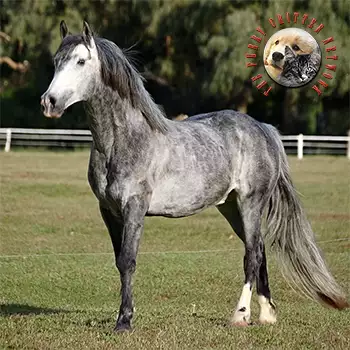
The adult Paso Fino, generally considered to be in its prime from around four or five years of age through its mid to late teens, is a horse at the height of its physical capability and mental maturity. During these years, the emphasis shifts from development to maintenance, with the goal of preserving soundness, health, and vitality for as long as possible. A consistent daily routine of quality care forms the backbone of peak health management.

Annual or biannual veterinary wellness exams are essential even for horses that appear healthy. These checkups provide an opportunity to assess body condition, evaluate dental health, update vaccinations, review the deworming program, and catch early signs of conditions that may not yet be producing obvious symptoms. Blood work, including a complete blood count and metabolic panel, can reveal subclinical issues such as insulin resistance or organ dysfunction before they become clinical problems.

Paso Finos are generally hardy horses with few breed-specific health predispositions, but they are not immune to the common equine conditions that affect all breeds. Colic, laminitis, skin conditions, respiratory infections, and musculoskeletal injuries can occur at any age. Owners who know their horse's normal vital signs, including resting heart rate, respiratory rate, temperature, and gut sounds, are better equipped to recognize early deviations that signal a developing problem.

Mental health is an often-overlooked component of peak maintenance. The Paso Fino is an intelligent, social breed that thrives on engagement and routine. Horses that are isolated, under-stimulated, or subjected to inconsistent management are more prone to developing behavioral issues and stress-related health problems. A balanced program that includes regular work, adequate turnout, social interaction, and mental stimulation keeps the adult Paso Fino content and thriving.

Nutrition at Maturity

Feeding the mature Paso Fino is simpler than feeding the growing youngster, but it still requires attention to individual needs. The foundation of the adult diet should be high-quality forage, either pasture or hay, provided at a rate of approximately one and a half to two percent of body weight per day. For a typical Paso Fino weighing around eight hundred to one thousand pounds, this translates to roughly twelve to twenty pounds of hay daily, adjusted for pasture access and work level.

Many adult Paso Finos in light to moderate work maintain excellent body condition on forage alone, supplemented with a ration balancer or vitamin-mineral supplement to fill nutritional gaps. The breed's efficient metabolism means that calorie-dense grain feeds are often unnecessary and can contribute to obesity, which increases the risk of metabolic syndrome and laminitis. If additional calories are needed for horses in heavier work, fat sources such as stabilized rice bran or vegetable oil are preferred over starchy grains.

Body condition should be assessed regularly using a standardized scoring system. The ideal adult Paso Fino should have ribs that are easily felt but not visible, a level topline without prominent spine or hip bones, and a neck that is smooth without an excessive crest. A developing cresty neck is a particular concern in gaited breeds and may indicate insulin dysregulation, which warrants veterinary investigation and dietary adjustment.

Water intake is critical and often underappreciated. An adult horse at rest drinks eight to twelve gallons of water per day, with requirements increasing significantly during hot weather and heavy exercise. Water should be clean, fresh, and available at all times. In winter, horses may reduce water intake if the water is very cold, which can increase colic risk. Offering lukewarm water or using a heated water source during cold months encourages adequate hydration.

Exercise & Fitness

The adult Paso Fino is a versatile athlete capable of excelling in a wide range of disciplines, from the show ring to competitive trail riding, from ranch work to pleasure riding. Regardless of the specific use, a structured fitness program that includes regular conditioning, variety, and appropriate recovery time keeps the horse physically sound and mentally engaged.

The breed's hallmark gaits, the Classic Fino, Paso Corto, and Paso Largo, each require a different level of collection, impulsion, and balance. Regular gait work maintains and refines the horse's natural movement, but it should be balanced with other activities to prevent physical and mental burnout. Trail riding, hill work, ground poles, and even light lateral work can all complement gait training and develop overall athleticism.

Conditioning should be progressive, with workload increasing gradually over weeks and months rather than jumping from light use to intense work. The cardiovascular system adapts relatively quickly to increased demands, but tendons, ligaments, and bones require much longer to strengthen. A horse that is suddenly asked to do significantly more than it has been conditioned for is at high risk for soft tissue injuries that may take months to heal.

Rest and recovery are as important as the work itself. Most adult Paso Finos in moderate work benefit from one or two days off per week, with lighter sessions interspersed between harder training days. Adequate turnout time allows the horse to move freely, which promotes circulation and helps prevent the stiffness and soreness that can develop from standing in a stall between work sessions.

Preventive Health Care

A well-structured preventive health care program is the most cost-effective way to keep an adult Paso Fino healthy and productive. The core components include vaccinations, parasite management, dental care, and hoof maintenance, each following a schedule tailored to the individual horse's needs and regional disease risks.

Vaccinations should be updated annually at minimum, with core vaccines typically including tetanus, Eastern and Western equine encephalomyelitis, West Nile virus, and rabies. Risk-based vaccines such as influenza, rhinopneumonitis, strangles, and Potomac horse fever may be recommended depending on the horse's lifestyle, travel schedule, and geographic location. Horses that travel frequently to shows or trail events have higher exposure risk and may benefit from more frequent vaccination.

Modern parasite management has moved away from rotational deworming on a fixed schedule toward targeted treatment based on fecal egg counts. This approach reduces unnecessary chemical exposure, slows the development of drug-resistant parasites, and treats only those horses that are shedding significant numbers of eggs. Most adult horses fall into a low or moderate shedding category and require only two to three targeted treatments per year, while high shedders may need more frequent intervention.

Dental care is often neglected in adult horses but is essential for proper nutrition, comfortable bit acceptance, and overall health. Horses' teeth erupt continuously and develop sharp points and uneven wear patterns that can cause pain, difficulty chewing, weight loss, and behavioral problems under saddle. Annual dental examinations with floating as needed keep the mouth balanced and comfortable. Hoof care continues on a regular schedule, typically every six to eight weeks, whether the horse is shod or barefoot.

Behavioral Maturity

By four to five years of age, most Paso Finos have settled into their adult temperament, though continued refinement of behavior and training responsiveness continues throughout the prime years. The breed is known for its brio, a term used within the Paso Fino community to describe the combination of spirit, willingness, and controlled energy that defines the ideal disposition. A mature Paso Fino with good brio is eager to work, responsive to the rider, and carries itself with pride and presence.

Behavioral maturity does not mean the horse stops learning or evolving. Adult Paso Finos remain highly trainable and responsive to consistent, fair handling. New skills, disciplines, and experiences can be introduced throughout the prime years, and many Paso Finos enjoy the variety. A horse that has been a show competitor may transition successfully to trail riding, or a pleasure horse may take up competitive trail or drill team work with appropriate training.

Problematic behaviors in adult Paso Finos are most often rooted in pain, confusion, or management issues rather than inherent temperament flaws. A horse that suddenly develops resistance under saddle, becomes barn sour, or shows aggression should be evaluated for physical discomfort before behavioral modification is attempted. Back pain, dental issues, poorly fitting tack, hoof imbalances, and gastric ulcers are common physical causes of behavioral change that resolve once the underlying issue is addressed.

The relationship between a Paso Fino and its regular handler deepens significantly during the adult years. These horses are perceptive and form strong bonds with people who treat them consistently and fairly. Investing time in groundwork, grooming, and quiet handling sessions alongside regular riding builds a partnership that enhances both performance and mutual enjoyment.

Hoof Care & Grooming

Hoof care is foundational to the Paso Fino's soundness and gait quality. The breed's smooth, even footfall pattern depends on balanced hooves, and even minor imbalances can affect gait purity and comfort. A skilled farrier who understands gaited horses is an invaluable member of the care team. Farrier visits should occur every six to eight weeks, with the horse's hooves picked out and inspected daily by the owner for signs of thrush, cracks, loose shoes, or embedded objects.

Whether a Paso Fino is kept barefoot or shod depends on its workload, hoof quality, terrain, and individual needs. Many Paso Finos with good hoof horn and moderate workloads do well barefoot, while horses in heavier work, on rocky terrain, or with weaker hoof walls may benefit from shoes. Show horses are often fitted with specific shoeing packages that enhance gait presentation, though the trend in recent years has moved toward lighter, more natural shoeing that supports rather than exaggerates the horse's movement.

Regular grooming serves multiple purposes beyond appearance. Daily grooming sessions provide an opportunity to inspect the horse's body for cuts, swelling, heat, skin conditions, ticks, and other abnormalities that might otherwise go unnoticed. The Paso Fino's coat is typically fine and manageable, requiring basic currying and brushing to maintain condition. Mane and tail care, including regular detangling and occasional conditioning, preserves the breed's attractive flowing hair.

Bathing should be done as needed rather than on a rigid schedule, as excessive bathing strips natural oils from the coat and skin. When bathing is necessary, a mild equine shampoo followed by thorough rinsing and drying is sufficient. In colder weather, spot cleaning and waterless grooming products can substitute for full baths. Sun protection should be considered for horses with light-colored or white facial markings, as these areas are susceptible to sunburn and UV-related skin damage.

Always consult a qualified professional before making any health-related decisions. This content is provided for informational reference only and should not replace professional guidance specific to your animal.