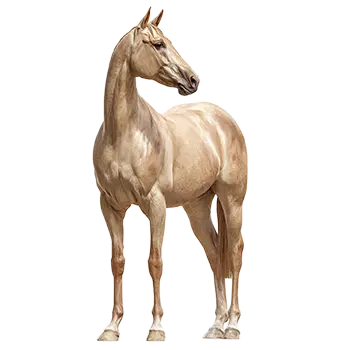

Growth & Physical Development

The Akhal-Teke's juvenile period spans roughly from weaning at four to six months through the age of three or four, when the horse reaches physical maturity. During this time, the young horse undergoes dramatic changes in height, weight, and body proportion. Growth in the Akhal-Teke tends to be gradual and elongated compared to heavier breeds, with the horse continuing to fill out and gain muscle tone well into its fourth year.

Young Akhal-Tekes often go through awkward phases where the hindquarters grow faster than the front end, creating a temporary uphill appearance. This is entirely normal and will resolve as growth evens out. The breed's naturally lean and athletic build means that a juvenile Akhal-Teke will rarely carry the rounded body condition seen in young warmbloods or stock horses. Owners unfamiliar with the breed should resist the urge to overfeed in an attempt to create a heavier appearance.

Regular monitoring of growth through weight tapes and body condition scoring helps ensure the young horse is developing appropriately. Rapid growth spurts can place stress on developing bones and joints, and nutritional management plays a key role in supporting healthy skeletal development. Your veterinarian and an equine nutritionist can help you assess whether the young horse's growth rate is on track for the breed.

Hoof care becomes increasingly important during this period. Regular farrier visits should begin early, with the first trim typically occurring around four to six weeks of age and continuing on a schedule recommended by your farrier. Proper hoof balance during the growth phase supports correct limb alignment and can prevent conformational issues from becoming permanent.

Nutrition & Diet Transition

The transition from a milk-based diet to solid feed is one of the most significant nutritional shifts in a young horse's life. Weaning is typically accomplished between four and six months of age, and the process should be managed gradually to minimize stress on both the foal and the mare. Abrupt weaning can cause digestive upset and psychological distress, so a progressive approach where the pair is separated for increasing periods is generally preferred.

After weaning, the young Akhal-Teke's diet should consist primarily of high-quality forage supplemented with a feed formulated specifically for growing horses. These feeds are designed to provide the correct ratios of protein, calcium, phosphorus, and trace minerals needed for skeletal development. Avoid feeds intended for mature horses, as they may not meet the specific nutritional demands of a growing animal.

The Akhal-Teke breed evolved in an environment where food resources were often sparse, and the breed retains an efficient metabolism. Overfeeding a young Akhal-Teke can lead to developmental orthopedic diseases, including conditions affecting the growth plates and joints. It is far better to support slow, steady growth than to push for maximum size. Free-choice access to clean grass hay and fresh water should form the foundation of the diet, with concentrate feeds added only as needed to maintain appropriate body condition.

As the horse matures past its second year, dietary needs will shift gradually toward maintenance levels. Monitor body condition regularly and adjust feed amounts accordingly. Any changes to the diet should be introduced slowly over a period of one to two weeks to allow the digestive system to adapt. Consult your veterinarian if you notice any signs of poor growth, coat quality changes, or digestive issues.

Behavioral Changes

Adolescence in the Akhal-Teke brings a range of behavioral changes that can challenge even experienced horse owners. The breed's intelligence and sensitivity mean that juvenile Akhal-Tekes are highly perceptive and can develop strong opinions about their handling and environment. A young horse that was compliant and easy to manage as a foal may begin testing boundaries as it matures, which is a normal part of equine psychological development.

Colts typically begin showing stallion-like behaviors such as mounting, increased vocalization, and territorial displays as they approach sexual maturity, usually between one and two years of age. Fillies may become moody or distracted during their early estrus cycles. These hormonal influences on behavior are natural but should be managed with consistent, patient handling to prevent the development of dangerous habits.

The Akhal-Teke's reputation for bonding deeply with one person can become particularly evident during adolescence. A young horse may become protective of its primary handler or resistant to working with unfamiliar people. While this loyalty is one of the breed's most cherished traits, it is important to ensure that the horse remains manageable by multiple handlers for safety and practical reasons. Regular exposure to different people in positive contexts helps maintain flexibility.

Social dynamics within a herd or group of horses also shift during this period. Young Akhal-Tekes are establishing their place in the social hierarchy, which can lead to increased play behavior, minor squabbles, and posturing. Adequate space, appropriate group composition, and attentive management help prevent injuries during these social negotiations.

Training Priorities

Groundwork and foundational training during the juvenile period set the stage for the Akhal-Teke's future under saddle. The breed's intelligence and sensitivity require a training approach that emphasizes clarity, consistency, and positive reinforcement over force or repetition. Akhal-Tekes generally do not respond well to harsh methods and may become anxious, resistant, or shut down if subjected to excessive pressure.

Between weaning and two years of age, training should focus on ground manners, leading, tying, grooming, hoof handling, and basic voice commands. Lunging can be introduced carefully in the second year, using large circles and short sessions to protect developing joints. Avoid any work that places significant concussive stress on the young horse's skeletal system, as the growth plates do not fully close until the horse is at least three to four years old.

The decision of when to begin under-saddle work depends on the individual horse's physical and mental maturity. Many Akhal-Teke owners begin light saddle work at three years of age, with more demanding training introduced gradually as the horse's body matures. Rushing this process increases the risk of musculoskeletal injury and can create negative associations with work that are difficult to reverse.

Trailing, loading, and hauling practice should be part of the juvenile training program. The Akhal-Teke's sensitivity can make trailer loading stressful if it is first attempted in an urgent situation. Calm, patient introduction to the trailer environment during the juvenile period, with positive associations built through rewards and low-pressure repetition, pays dividends throughout the horse's life.

Mental engagement is just as important as physical conditioning for the young Akhal-Teke. Variety in training activities, exposure to different environments, and problem-solving exercises keep the horse interested and help develop a confident, thinking partner rather than a bored or anxious one.

Exercise & Activity

Appropriate exercise during the juvenile period supports the Akhal-Teke's physical development without overtaxing its growing body. Turnout in a safe, spacious paddock or pasture is the foundation of a young horse's exercise program. Free movement over natural terrain allows the horse to self-regulate its activity level and builds strength, coordination, and bone density in a way that structured exercise cannot fully replicate.

The young Akhal-Teke's natural athleticism and endurance are evident even in adolescence, and the breed's desert heritage means these horses are often more comfortable with sustained movement than with standing in a stall. Confinement for extended periods can lead to behavioral issues including stall walking, weaving, and wood chewing. If stall time is necessary, ensure the horse receives adequate daily turnout and mental stimulation.

Structured exercise for horses under two years of age should be limited to short sessions of walking and easy trotting, with an emphasis on straightness and balance rather than speed or collection. Lunging should be done sparingly and on large circles to minimize repetitive stress on joints. Avoid jumping, hard ground work, and any exercise that requires sudden stops or sharp turns until the horse's skeletal maturity is confirmed by your veterinarian.

As the horse approaches three years of age, exercise intensity can increase gradually. Ponying alongside an older, calm horse is an excellent way to introduce trail work and build fitness while providing the young horse with a confident role model. Swimming and walking over varied terrain are also beneficial low-impact activities that build cardiovascular fitness and muscular strength.

Gelding Considerations

For Akhal-Teke colts not intended for breeding, gelding is an important decision that affects the horse's long-term behavior, management, and quality of life. The procedure is most commonly performed between one and two years of age, though the optimal timing depends on the individual horse's physical and behavioral development. Your veterinarian can help determine the best time based on factors such as testicular descent, body condition, and the emergence of stallion-like behaviors.

Gelding before the onset of strong stallion behaviors generally results in a calmer, more manageable horse that is easier to house with other animals. However, some owners of Akhal-Tekes prefer to wait until the horse has matured enough to develop the muscular neck and overall presence associated with an intact male. This decision should be weighed against the management challenges and safety risks of keeping an adolescent stallion, particularly for owners without experience handling intact males.

The procedure itself is routine and is typically performed under standing sedation in the field, though some veterinarians prefer a clinic setting. Recovery is generally straightforward, with most horses returning to light activity within a few days. Post-operative care includes monitoring the surgical site for swelling or infection, providing a clean and dry environment, and following your veterinarian's instructions for exercise during the healing period.

It is worth noting that behavioral changes after gelding may not be immediate, especially if the horse was gelded after reaching sexual maturity. Learned behaviors can persist for weeks or even months after the procedure, and some geldings retain a degree of stallion-like presence throughout their lives. Consistent, patient handling during the transition period helps the horse settle into its new hormonal baseline.

Socialization & Exposure

The juvenile period is the most critical window for socializing the Akhal-Teke and building the confidence it will carry throughout its life. Horses that are raised in isolation or with limited exposure to varied stimuli often develop fearfulness and reactivity that can be difficult to address later. The Akhal-Teke's intelligence and sensitivity make thorough socialization both more important and more rewarding, as a well-socialized individual of this breed is typically a calm, adaptable partner.

Exposure to different environments should be a regular part of the young horse's experience. This includes encountering various footing surfaces, water crossings, livestock, vehicles, dogs, and everyday farm equipment. Each new stimulus should be introduced at a pace the horse can handle, with retreat and reassurance available if the horse becomes overwhelmed. Flooding a young horse with frightening stimuli does not build confidence and can create lasting fear responses.

Socialization with other horses is equally important. Young Akhal-Tekes benefit from living in a herd or group where they can learn appropriate social behaviors, including the ability to yield space, share resources, and communicate effectively with other equines. Horses raised without equine companions often struggle with herd dynamics when they encounter other horses later in life, leading to stress and conflict.

Human socialization should extend beyond the primary caretaker. Exposing the young horse to different people, including your farrier, veterinarian, and other experienced handlers, teaches the horse that cooperation with humans is a general expectation rather than something reserved for one trusted individual. This breadth of experience produces a more versatile and manageable horse for every stage of its life.

Travel and exposure to new locations, even short trips to neighboring properties or local events, provide invaluable learning opportunities. The young horse learns to cope with the stress of loading, traveling, and arriving in an unfamiliar place, skills that are essential for any horse that will compete, trail ride, or simply need to visit a veterinary clinic.

Always consult a qualified professional before making any health-related decisions. This content is provided for informational reference only and should not replace professional guidance specific to your animal.