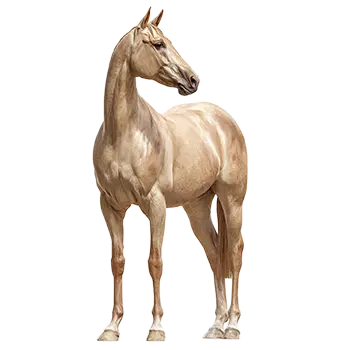

Peak Health Maintenance

The adult Akhal-Teke, typically from four years of age through the mid-teens, is at the height of its physical capability. This is the period when the breed's legendary endurance, agility, and metallic beauty are on full display. Maintaining peak health during these years requires a proactive approach that integrates regular veterinary care, thoughtful nutrition, consistent exercise, and attentive daily management.

Annual veterinary examinations should include a thorough physical assessment, dental evaluation, and any vaccinations appropriate for your region and the horse's lifestyle. Blood work can provide early detection of metabolic or organ function changes that may not yet be clinically apparent. Discuss a fecal egg count-based deworming strategy with your veterinarian rather than relying on routine calendar-based treatments, as this approach reduces unnecessary chemical exposure and slows the development of parasite resistance.

The Akhal-Teke's fine skin and thin coat, while beautiful, offer less protection against skin injuries, insect bites, and sun exposure than the thicker coats of many other breeds. Daily inspection of the horse's body for cuts, swelling, heat, or skin irritation should be part of the routine. Fly protection, sun screening for horses with light-colored or pink-skinned areas, and prompt treatment of minor wounds help prevent small problems from escalating.

Mental health is an often-overlooked component of overall wellness. The Akhal-Teke thrives on routine, companionship, and engagement with its handler. Horses that are isolated, underworked, or subjected to inconsistent management may develop stress-related behaviors including weaving, cribbing, or withdrawal. A structured daily routine with adequate turnout, social interaction, and purposeful work supports the breed's emotional well-being as much as its physical condition.

Nutrition at Maturity

Feeding an adult Akhal-Teke requires an understanding of the breed's efficient metabolism and naturally lean body type. Owners accustomed to heavier breeds may initially perceive a properly conditioned Akhal-Teke as underweight, but the breed standard calls for a refined, athletic build with visible muscle definition and a sleek topline rather than a rounded, heavily fleshed frame.

The foundation of the adult diet should be high-quality forage, ideally a mix of grass hay and pasture grazing that provides adequate fiber for digestive health. The Akhal-Teke generally requires less concentrated feed than breeds of similar size, reflecting its evolutionary adaptation to sparse desert resources. Overfeeding concentrates can lead to obesity, metabolic issues, and behavioral problems in a breed that is designed to thrive on relatively modest rations.

Horses in moderate to heavy work may require supplemental calories, which are best provided through fat sources such as stabilized rice bran or vegetable oil rather than through high-starch grain meals. Fat provides sustained energy without the blood sugar spikes associated with grain, which can contribute to excitability in an already spirited breed. Electrolyte supplementation may be necessary for horses in heavy work or those living in hot climates, particularly given the breed's desert origins and tendency to sweat efficiently.

Fresh, clean water must be available at all times. An adult horse in moderate work can drink ten to fifteen gallons of water per day, and inadequate hydration is a leading cause of impaction colic. Monitor water intake and ensure that water sources are clean and accessible in all weather conditions. Salt blocks or loose salt should be provided to encourage adequate water consumption.

Exercise & Fitness

The adult Akhal-Teke excels across a remarkable range of equestrian disciplines, from endurance racing and eventing to dressage and show jumping. The breed's natural stamina, agility, and willingness make it a versatile partner for riders who invest the time to develop a strong working relationship. A fitness program for the adult Akhal-Teke should be tailored to the specific demands of its discipline while respecting the horse's physical limits and need for variety.

Endurance and cardiovascular fitness are natural strengths of the breed, and most Akhal-Tekes benefit from regular trail work and long, steady rides that build aerobic capacity. Interval training, alternating between periods of faster work and recovery, can enhance fitness for competitive horses without the wear associated with sustained high-speed work. Hill work is particularly valuable for building hindquarter strength and overall conditioning.

Rest and recovery are as important as the work itself. Overtraining leads to fatigue, decreased immune function, and increased injury risk. The Akhal-Teke's willingness to work can sometimes mask developing soreness or fatigue, so handlers must be attentive to subtle changes in performance, attitude, or movement that may indicate the horse needs a lighter schedule. Regular days off and periods of reduced workload help the body repair and adapt.

Turnout remains essential even for horses in active training programs. Free movement in a paddock or pasture allows the horse to stretch, roll, socialize, and engage in self-directed activity that promotes both physical and mental recovery. Horses kept in stalls for extended periods, even with daily riding, do not receive the same benefits as those with regular turnout.

Preventive Health Care

A robust preventive care program during the adult years helps the Akhal-Teke maintain peak condition and reduces the likelihood of serious health issues developing undetected. Vaccination schedules should be maintained according to your veterinarian's recommendations, taking into account the horse's travel schedule, exposure to other horses, and regional disease risks. Core vaccinations typically include protection against tetanus, Eastern and Western equine encephalomyelitis, West Nile virus, and rabies.

Dental care is a critical and often underappreciated component of equine health. Horses' teeth grow continuously and develop sharp points and uneven wear patterns that can cause pain, difficulty chewing, and weight loss. Annual or semi-annual dental examinations with floating as needed keep the mouth comfortable and ensure efficient feed utilization. Signs that dental work may be needed include dropping feed, head tilting while eating, excessive salivation, or resistance to the bit.

Parasite management has shifted away from rotational deworming schedules toward targeted treatment based on fecal egg counts. This approach identifies horses with significant parasite burdens and treats them specifically, while reducing unnecessary medication for horses with low counts. Your veterinarian can establish a monitoring schedule and recommend treatments appropriate for the parasites prevalent in your area.

Regular farrier care on a four-to-eight-week cycle maintains hoof health and addresses any developing imbalances before they affect the horse's soundness. The Akhal-Teke's hooves are typically hard and durable, a legacy of the breed's desert origins, but they still require consistent professional attention. Whether the horse goes barefoot or shod depends on its workload, footing conditions, and individual hoof quality.

Behavioral Maturity

By the age of four or five, most Akhal-Tekes have settled into their adult temperament, though the breed's intelligence and sensitivity mean that behavioral nuances continue to develop throughout life. The mature Akhal-Teke is typically a confident, alert horse that forms an exceptionally strong bond with its regular handler. This partnership dynamic is one of the breed's most distinctive and valued characteristics.

The loyalty of the Akhal-Teke can present management considerations. Some individuals may be resistant to working with unfamiliar riders or handlers, and this tendency should be managed through regular exposure to different people in positive contexts. A horse that will only cooperate with one person presents practical challenges for veterinary care, farrier visits, and emergency situations.

The breed's sensitivity also means that Akhal-Tekes are particularly responsive to their handler's emotional state. A nervous or frustrated rider will often find that the horse mirrors those emotions, while a calm, confident handler brings out the best in the breed. Developing emotional awareness and self-regulation as a handler is as important as technical riding skill when working with this breed.

Adult Akhal-Tekes generally thrive with consistent routines and clear expectations. They are quick learners who become bored with excessive repetition and may develop evasions or resistance if drilled on the same exercises repeatedly. Training programs that incorporate variety, progressive challenges, and reward-based methods tend to produce the most cooperative and willing partners.

Dental & Grooming

The Akhal-Teke's striking appearance requires regular grooming attention that goes beyond aesthetics to serve as a health monitoring practice. The breed's fine, often metallic coat is one of its most recognizable features, and maintaining its luster involves daily brushing to distribute natural skin oils and remove dirt and debris. Unlike heavier-coated breeds, the Akhal-Teke's thin coat shows every blemish and scratch, making skin care an ongoing priority.

Bathing should be done judiciously, as excessive washing strips the natural oils that give the coat its characteristic sheen. When bathing is necessary after heavy work or for show preparation, use a mild equine shampoo and rinse thoroughly. A light coat conditioner can help maintain softness and shine without creating buildup. In cold weather, ensure the horse is completely dry before turnout or stabling, as the thin coat provides minimal insulation when wet.

Mane and tail care for the Akhal-Teke is relatively straightforward, as many individuals carry naturally fine, sparse manes and tails compared to other breeds. Some Akhal-Tekes have very thin or nearly absent manes, which is a breed characteristic rather than a deficiency. Gentle detangling with a wide-toothed comb or fingers, along with occasional conditioning treatments, helps maintain what hair is present without causing breakage.

Dental care deserves particular emphasis because it directly affects the horse's ability to process feed and maintain body condition. The Akhal-Teke's naturally lean build means that any reduction in feed efficiency due to dental pain or dysfunction is quickly visible as weight loss. Schedule dental examinations at least annually, and be alert to signs of oral discomfort between visits. Addressing dental issues promptly prevents secondary problems including poor nutrition, behavioral changes under saddle, and digestive complications.

Always consult a qualified professional before making any health-related decisions. This content is provided for informational reference only and should not replace professional guidance specific to your animal.