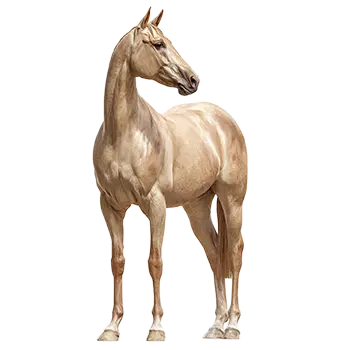

Breeding an Akhal-Teke is a significant commitment that begins long before a mare is ever presented to a stallion. Assessing breeding readiness involves evaluating the physical maturity, health status, conformation, temperament, and genetic background of both the mare and the stallion. Mares should be at least four years old before being bred for the first time, as younger mares may not have completed their own physical development and are at higher risk for complications during pregnancy and foaling.
A thorough pre-breeding veterinary examination for the mare should include a reproductive soundness evaluation with uterine culture and cytology, assessment of overall health and body condition, vaccination updates, and a dental check. The mare should be in good flesh without being overweight, as both extremes can negatively affect fertility and pregnancy outcomes. Any existing health conditions should be addressed and stabilized before breeding is attempted.
The stallion's breeding soundness should also be confirmed through a veterinary evaluation that includes semen analysis, a physical examination, and assessment of libido and breeding behavior. Genetic testing for known heritable conditions relevant to the Akhal-Teke breed should be completed for both parents before any mating occurs. The Akhal-Teke has a relatively small global population, and careful attention to genetic diversity is an important responsibility for breeders.
Beyond the physical assessments, prospective breeders should have a clear plan for the resulting foal. This includes financial preparedness for the costs of pregnancy monitoring, potential complications, foaling, and raising a young horse for several years. The decision to breed should be driven by a genuine desire to contribute to the breed's future rather than by casual interest or the assumption that breeding is a profitable endeavor.