
Peak Health Maintenance

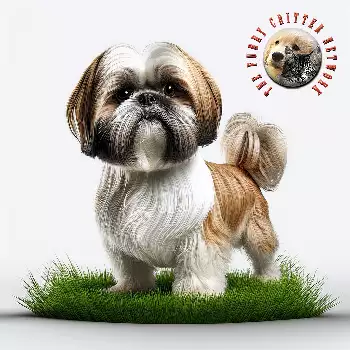
The adult years, spanning roughly from one to nine years of age, represent the longest and most stable period of a Shih Tzu's life. During these prime years, the foundation laid in puppyhood pays dividends as the dog settles into its full personality and physical maturity. Maintaining peak health during this stage is largely about consistency: regular veterinary visits, a stable diet, appropriate exercise, and ongoing attention to the breed-specific vulnerabilities that define Shih Tzu ownership.

Annual wellness examinations are the cornerstone of preventive health care for the adult Shih Tzu. These visits allow the veterinarian to detect subtle changes in weight, dental health, eye condition, and organ function before they develop into significant problems. Bloodwork panels, even in apparently healthy dogs, can reveal early signs of liver or kidney compromise, thyroid imbalance, or other conditions that benefit from early intervention. Vaccination boosters and parasite prevention protocols should be reviewed and updated at each annual visit.

Shih Tzus are predisposed to several health conditions that owners should monitor for throughout the adult years. Brachycephalic obstructive airway syndrome can cause chronic respiratory difficulty and exercise intolerance. Eye conditions including keratoconjunctivitis sicca, progressive retinal atrophy, and corneal ulcers are common in the breed due to the prominent eye position. Patellar luxation, intervertebral disc disease, and hip dysplasia can affect mobility. Early detection and management of these conditions significantly improves long-term quality of life.

Maintaining a healthy weight is perhaps the single most impactful thing an owner can do for their adult Shih Tzu's overall health. Obesity in this breed compounds nearly every predisposition, worsening respiratory difficulty, increasing joint stress, and raising the risk of diabetes and heart disease. Regular weigh-ins at home and during veterinary visits, combined with honest assessment of body condition, help keep the adult Shih Tzu at its optimal weight throughout the prime years.

Nutrition at Maturity

An adult Shih Tzu's nutritional needs differ from those of a growing puppy, with the emphasis shifting from growth support to maintenance and long-term health preservation. A high-quality adult dog food formulated for small breeds provides the appropriate balance of protein, fat, carbohydrates, vitamins, and minerals. Small-breed formulas feature smaller kibble sizes that accommodate the Shih Tzu's compact jaw and are calorie-dense enough to meet energy needs in the modest portions appropriate for a dog of this size.

Feeding frequency for most adult Shih Tzus settles at two meals per day, spaced roughly twelve hours apart. This schedule supports stable blood sugar levels, which is important for small breeds that can be prone to hypoglycemia, and provides a predictable routine that most dogs find comforting. Free-feeding, in which food is left out at all times, is generally not recommended for Shih Tzus because the breed tends to overeat when given unlimited access, and it makes it difficult to monitor daily intake or detect appetite changes that could signal illness.

Food allergies and sensitivities are not uncommon in Shih Tzus and may manifest as skin irritation, ear infections, digestive upset, or excessive tear staining. Common allergens include certain proteins such as chicken or beef, as well as grains like wheat and corn. If an allergy is suspected, the veterinarian may recommend an elimination diet trial using a novel protein or hydrolyzed protein formula to identify the offending ingredient. Owners should resist the temptation to self-diagnose and cycle through foods without veterinary guidance, as this can complicate the diagnostic process.

Supplements may be beneficial for some adult Shih Tzus, particularly omega-3 fatty acids for skin and coat health, joint-support supplements containing glucosamine and chondroitin for breeds prone to patellar luxation, and probiotics for digestive regularity. However, supplements should be added to the diet under veterinary direction rather than on the basis of marketing claims. A well-formulated commercial diet meets the nutritional needs of most healthy adult dogs without supplementation.

Exercise & Fitness

The adult Shih Tzu is a moderately active companion that enjoys daily walks, play sessions, and interactive time with its family but does not require the intense physical activity demanded by athletic breeds. Two walks per day of fifteen to twenty minutes each, combined with indoor play, typically satisfies the adult Shih Tzu's exercise needs. The breed's enthusiasm for activity varies significantly between individuals, with some Shih Tzus being surprisingly energetic and others strongly preferring a more sedentary lifestyle.

The brachycephalic airway must always be taken into account when planning exercise for a Shih Tzu. Hot and humid conditions are genuinely dangerous for this breed, and exercise during the warmest parts of the day should be avoided entirely during summer months. Owners should carry water on walks, watch for signs of overheating such as heavy panting, drooling, or stumbling, and be prepared to cut any exercise session short if the dog shows distress. Air-conditioned indoor play is a safe alternative when outdoor conditions are unfavorable.

Mental exercise deserves equal attention in the adult Shih Tzu's fitness routine. This is an intelligent breed that can become bored and develop nuisance behaviors such as excessive barking or destructive chewing if its mind is not adequately engaged. Puzzle feeders, scent work games, trick training, and rotating toys all provide cognitive stimulation. Many Shih Tzus enjoy learning new tricks well into adulthood and respond enthusiastically to the combination of mental challenge and human interaction that training sessions provide.

Weight management is an ongoing consideration in the exercise equation. An overweight Shih Tzu may resist activity due to discomfort, creating a cycle in which reduced exercise leads to further weight gain. If a dog has become overweight, the exercise program should be increased gradually, starting with shorter, more frequent walks and building duration as fitness improves. Dietary adjustments should accompany any exercise changes, and the veterinarian can help establish a safe, realistic weight loss plan.

Preventive Health Care

Preventive health care for the adult Shih Tzu extends well beyond annual vaccinations and encompasses a comprehensive program designed to catch problems early and maintain overall wellness. Core vaccinations including distemper, parvovirus, adenovirus, and rabies should be kept current according to the schedule established by the veterinarian, with booster intervals adjusted based on current veterinary guidelines and the dog's individual risk profile. Non-core vaccines such as bordetella, leptospirosis, and canine influenza may be recommended based on lifestyle and geographic location.

Parasite prevention is a year-round commitment in most climates. Monthly heartworm prevention is essential, as heartworm disease is life-threatening and far more difficult and dangerous to treat than to prevent. Flea and tick prevention protects against the discomfort of infestations and the diseases these parasites can transmit, including Lyme disease, ehrlichiosis, and tapeworm infection. The veterinarian can recommend combination products that simplify the prevention regimen into a single monthly treatment.

Eye care is a breed-specific preventive priority for Shih Tzus. Their large, prominent eyes are vulnerable to injury, dryness, and infection. Daily cleaning of the eye area to remove tear stains and discharge, monitoring for redness or cloudiness, and keeping facial hair trimmed away from the eyes all help prevent problems. Any sign of squinting, pawing at the eyes, or sudden changes in eye appearance warrants prompt veterinary attention, as corneal ulcers can progress rapidly in this breed.

Regular dental care is another preventive cornerstone that pays enormous dividends for the Shih Tzu. The breed's shortened jaw predisposes it to dental crowding, plaque accumulation, and periodontal disease. Daily tooth brushing with a canine-specific toothpaste, supplemented by dental chews and periodic professional cleanings under anesthesia, significantly reduces the risk of painful dental disease and the systemic health complications that can arise from chronic oral infections.

Behavioral Maturity

By the time a Shih Tzu reaches full behavioral maturity, typically around two to three years of age, the turbulence of adolescence has given way to a more settled, predictable temperament. The adult Shih Tzu is characteristically affectionate, loyal to its family, and generally friendly toward strangers, though individual personalities vary. Some adults retain a playful, puppy-like exuberance throughout their lives, while others develop a more dignified, regal demeanor that reflects the breed's palace origins.

The adult Shih Tzu's attachment to its family is one of the breed's most endearing and occasionally challenging traits. These dogs form deep bonds and thrive on close physical contact, often following their favorite person from room to room and insisting on lap time whenever the opportunity arises. While this devotion is part of the breed's charm, it can tip into separation anxiety if the dog has not been taught to tolerate time alone. Maintaining the independence training established during puppyhood helps prevent anxiety-driven behaviors such as destructive chewing, excessive barking, or inappropriate elimination when the owner is away.

Some adult Shih Tzus can develop territorial behaviors, particularly around their home environment or favorite resting spots. This may manifest as barking at visitors, guarding food or toys, or resisting being moved from furniture. Consistent, positive reinforcement-based management of these behaviors prevents them from escalating. The Shih Tzu is sensitive to its owner's emotional state and responds best to calm, patient redirection rather than confrontational corrections.

Continued socialization throughout the adult years maintains the Shih Tzu's confidence and social skills. Regular exposure to different people, dogs, and environments prevents the gradual narrowing of comfort zones that can occur in dogs whose social world shrinks after puppyhood. Adult Shih Tzus generally enjoy outings, visiting friends, and meeting new people, and these experiences contribute positively to both mental health and the human-animal bond.

Dental & Grooming

Grooming is not merely a cosmetic concern for the Shih Tzu; it is a fundamental component of health care that demands consistent, often daily attention. The breed's long, flowing double coat is beautiful but requires regular brushing to prevent the mats and tangles that can trap moisture against the skin, restrict airflow, and create conditions favorable for bacterial or fungal infections. Most owners of pet Shih Tzus choose to maintain a shorter utility clip that is easier to manage, with visits to a professional groomer every four to six weeks.

Bathing frequency depends on the coat length and the dog's lifestyle, but most adult Shih Tzus benefit from a bath every two to four weeks using a gentle, dog-specific shampoo. The breed's facial folds and the area around the eyes and mouth require daily attention to remove food debris, tear staining, and moisture that can cause irritation and infection. A soft, damp cloth or grooming wipe is usually sufficient for daily facial cleaning, followed by thorough drying of the skin folds.

Dental care is one of the most critical yet frequently neglected aspects of Shih Tzu grooming. The breed's compact jaw creates crowded conditions in which plaque and tartar accumulate rapidly, and periodontal disease can advance to a degree that causes tooth loss, bone deterioration, and systemic health consequences affecting the heart, kidneys, and liver. Daily brushing with a soft-bristled brush and enzymatic canine toothpaste is the gold standard. Professional dental cleanings under anesthesia, performed as recommended by the veterinarian, address tartar below the gum line that home care cannot reach.

Nail trimming, ear cleaning, and anal gland expression round out the regular grooming routine. Nails should be trimmed every two to three weeks or whenever they begin to click on hard floors, as overgrown nails alter gait and can cause joint discomfort. The Shih Tzu's pendant ears create a warm, enclosed environment prone to infection, so weekly ear checks and cleaning with a veterinarian-approved ear solution are important preventive measures. Some Shih Tzus require periodic anal gland expression, which can be performed by a groomer or veterinarian if the dog shows signs of scooting or discomfort.

Always consult a qualified professional before making any health-related decisions. This content is provided for informational reference only and should not replace professional guidance specific to your animal.