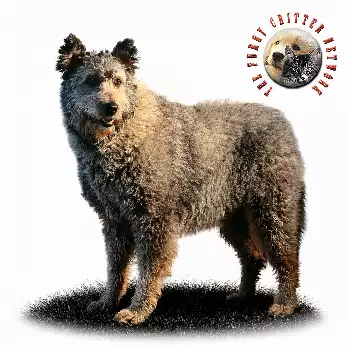

When Does Senior Begin?

The Pumi, as a medium-sized breed with a typical lifespan of twelve to thirteen years, generally enters the senior phase around eight to nine years of age. However, the onset of aging is highly individual and influenced by genetics, lifelong health management, diet, exercise history, and overall body condition. Some Pumis remain remarkably vigorous well past nine, while others may begin showing subtle signs of aging somewhat earlier.

The transition into seniority is usually gradual rather than sudden. Early signs may include a slight decrease in stamina during exercise, a tendency to sleep a bit more during the day, or a mild stiffness that is most noticeable when the dog first rises after resting. The Pumi's naturally lively and alert temperament can mask early aging signs, so owners should pay close attention to subtle shifts in energy, enthusiasm, and physical comfort rather than waiting for dramatic changes.

Once your Pumi reaches senior status, veterinary visits should increase from annual to biannual. These more frequent checkups allow for closer monitoring of age-related changes in blood chemistry, organ function, joint health, and dental condition. Senior blood panels provide critical information about kidney and liver function, thyroid health, and blood glucose levels, enabling early intervention when values begin to drift outside normal ranges.

Accepting that your Pumi is aging does not mean resigning yourself to decline. Many senior Pumis continue to enjoy active, fulfilling lives with appropriate adjustments to their care routine. The goal of senior care is to optimize quality of life at every stage, maintaining comfort, engagement, and dignity as the dog's needs evolve.

Mobility & Joint Health

Joint stiffness and reduced mobility are among the most common age-related changes in senior Pumis. The breed's active lifestyle, while beneficial for overall health throughout the adult years, can contribute to wear and tear on joints over time. Patellar luxation and hip dysplasia, conditions to which the Pumi has some predisposition, may become more symptomatic in the senior years even if they were previously subclinical. Watch for signs such as reluctance to jump, difficulty with stairs, a shortened stride, or occasional limping after rest.

Your veterinarian may recommend joint support supplements containing glucosamine, chondroitin, and omega-3 fatty acids, which have shown benefit in supporting cartilage health and reducing inflammation in aging joints. For dogs with more significant discomfort, prescription anti-inflammatory medications or pain management protocols may be appropriate. Never administer human pain medications to your dog without veterinary guidance, as many common over-the-counter products are toxic to dogs.

Environmental modifications can significantly improve a senior Pumi's daily comfort. Provide orthopedic bedding that supports aging joints, place ramps at furniture or vehicle entry points the dog regularly uses, and ensure that food and water bowls are positioned at a comfortable height. Non-slip mats or rugs on hard floor surfaces help prevent falls and give the dog confidence when moving through the home.

Exercise remains important for the senior Pumi, but the intensity and duration should be adjusted to match the dog's current abilities. Shorter, more frequent walks on soft surfaces are gentler on aging joints than long, strenuous outings. Swimming, where available, is an excellent low-impact exercise that maintains muscle mass and cardiovascular fitness without stressing the joints. Continue to engage the dog mentally and physically, but let the dog's comfort level guide the pace and duration of activity.

Cognitive Changes

Canine cognitive dysfunction, sometimes described as the dog equivalent of dementia, can affect senior Pumis and manifests as a gradual decline in mental sharpness, awareness, and learned behaviors. Early signs may be subtle and easy to dismiss: your dog may seem confused in familiar surroundings, stare blankly at walls, forget housetraining habits, or fail to recognize familiar people or commands. The Pumi's natural intelligence and alertness make cognitive decline particularly noticeable and concerning for owners who are accustomed to an exceptionally bright companion.

Changes in sleep-wake cycles are a hallmark of cognitive decline. A senior Pumi may pace restlessly at night, vocalize during the early morning hours, or sleep excessively during the day. These disruptions can be distressing for both the dog and the household. Maintaining a consistent daily routine with predictable meal times, exercise periods, and rest times provides a framework of familiarity that can help orient a cognitively declining dog.

Mental enrichment becomes more important, not less, as the Pumi ages. Continued training with simplified tasks, puzzle feeders that provide cognitive challenge without frustration, gentle scent games, and calm social interactions all help maintain neural pathways and slow cognitive decline. The goal is to keep the brain active within the dog's current capacity, adjusting the difficulty of tasks downward as needed while still providing meaningful engagement.

If you notice signs of cognitive dysfunction, discuss them with your veterinarian. Prescription diets formulated to support brain health, supplements such as medium-chain triglycerides and antioxidants, and in some cases medication can help manage symptoms and slow progression. Early intervention typically produces better outcomes, so do not wait for severe symptoms before seeking guidance.

Nutrition for Aging

The senior Pumi's nutritional needs shift as metabolism slows, muscle mass gradually decreases, and the digestive system becomes less efficient. A high-quality senior dog food formulated for medium-sized breeds provides adjusted calorie levels to prevent weight gain while maintaining adequate protein to support muscle maintenance. Avoid drastically reducing protein intake in senior dogs, as sufficient protein is essential for preserving lean body mass and supporting immune function.

Many senior Pumis benefit from smaller, more frequent meals rather than the twice-daily feeding schedule used during the adult years. Three smaller meals per day can be easier on an aging digestive system and help maintain more stable blood sugar levels throughout the day. Warming the food slightly or adding a small amount of warm water or low-sodium broth can enhance palatability for dogs whose sense of smell has diminished with age.

Supplementation may be beneficial for the senior Pumi, but should always be discussed with your veterinarian before implementation. Omega-3 fatty acids support joint health, skin condition, and cognitive function. Probiotics can support digestive health in dogs with increasingly sensitive stomachs. Antioxidant-rich supplements may help combat oxidative stress associated with aging. Your veterinarian can recommend appropriate products and dosages based on your dog's specific health profile.

Monitor your senior Pumi's weight carefully, as both excess weight and unexplained weight loss are concerns in older dogs. Obesity compounds joint problems, increases the workload on the heart, and raises the risk of metabolic disease. Conversely, sudden or progressive weight loss despite adequate food intake can signal underlying health conditions such as dental disease, organ dysfunction, or cancer that require veterinary evaluation.

Increased Veterinary Care

The senior Pumi requires more frequent and more comprehensive veterinary attention than it did during its younger years. Biannual wellness examinations become the standard of care, and each visit should include a thorough physical examination, complete blood count, serum chemistry panel, urinalysis, and thyroid screening. These tests create a longitudinal health record that helps your veterinarian identify trends and catch problems in their earliest and most treatable stages.

Dental disease accelerates in many senior dogs and can become a significant source of pain, infection, and systemic health consequences if neglected. Professional dental cleanings may need to be performed more frequently, and your veterinarian may recommend pre-anesthetic bloodwork to ensure your senior Pumi is a safe candidate for the procedure. Dental pain is one of the most underrecognized sources of suffering in senior dogs, and addressing it can produce dramatic improvements in appetite, energy, and overall demeanor.

Cancer screening becomes an increasingly important component of senior veterinary care. While the Pumi is not considered a particularly cancer-prone breed, the risk of all cancers increases with age in dogs, just as in humans. Report any new lumps, bumps, or masses to your veterinarian promptly, and do not assume that all growths are benign lipomas. Fine-needle aspirates or biopsies provide definitive identification and guide appropriate treatment decisions.

Vision and hearing changes are common in senior dogs and should be assessed at each veterinary visit. The Pumi's susceptibility to primary lens luxation makes regular ophthalmologic examination particularly important in the senior years. If your dog begins showing signs of vision loss, such as bumping into objects, reluctance to navigate in dim light, or increased startle response, a veterinary ophthalmologic evaluation can determine the cause and identify any available treatment options.

Quality of Life Assessment

As your Pumi moves through the senior years, regularly assessing quality of life becomes an essential responsibility of compassionate ownership. Quality of life is a holistic concept that encompasses physical comfort, emotional well-being, mobility, appetite, social engagement, and the ability to enjoy activities that have always brought the dog pleasure. No single metric tells the whole story, and ongoing assessment requires honest observation and sometimes difficult reflection.

Several veterinary quality-of-life scales are available to help owners evaluate their senior dog's well-being in a structured way. These tools typically assess factors such as pain levels, appetite, hydration, hygiene, happiness, mobility, and the ratio of good days to bad days. Using such a scale on a regular basis, perhaps weekly or biweekly, creates an objective record that can reveal gradual trends that day-to-day observation might miss.

The Pumi's expressive nature and close bond with its owner can both help and complicate quality-of-life assessment. This breed is remarkably communicative and will often signal discomfort or distress through changes in behavior, vocalization patterns, or body language. However, the Pumi's desire to please and participate can also lead it to push through pain or discomfort in ways that mask the true extent of its struggles. Look beyond the dog's willingness to participate and assess how it moves, eats, sleeps, and interacts when it is not being actively engaged.

Open, ongoing communication with your veterinarian about your senior Pumi's quality of life is invaluable. Your veterinarian can help you interpret what you are observing, suggest interventions that might improve comfort, and provide guidance when you begin to question whether the dog's quality of life is sustainable. These conversations are never easy, but they reflect the deepest form of care and responsibility an owner can offer.

Always consult a qualified professional before making any health-related decisions. This content is provided for informational reference only and should not replace professional guidance specific to your animal.