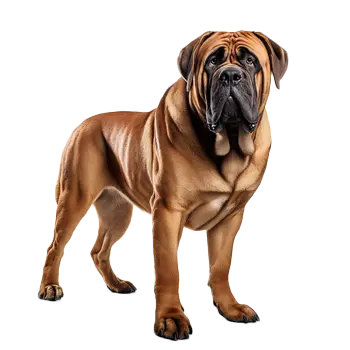

The Mastiff's juvenile period is defined by astonishing physical transformation. Between three and eighteen months of age, a Mastiff puppy can grow from a chunky twenty-pound youngster into a towering adolescent approaching or exceeding one hundred pounds. This rate of growth places enormous demands on the developing skeletal and muscular systems, and understanding what is normal versus what signals a problem is essential for any Mastiff owner navigating this stage.
Giant breed puppies like the Mastiff grow more slowly to full maturity than smaller breeds, often not reaching their adult size and weight until two to three years of age. During the juvenile months, bones are still soft and growth plates remain open, making the young Mastiff particularly vulnerable to injury from high-impact activities. Jumping from heights, running on hard surfaces for extended periods, and rough play with much larger dogs should be avoided to protect developing joints.
Owners may notice that their Mastiff goes through phases where the body appears disproportionate. Legs may seem too long for the body, the head may look oversized relative to the frame, or the rear end may temporarily sit higher than the shoulders. These awkward stages are entirely normal in giant breeds and resolve as the dog fills out and proportions balance over time.
Regular veterinary check-ups during this period should include monitoring of growth rate and body condition. A Mastiff puppy that is growing too rapidly may be at increased risk for developmental orthopedic diseases, including hypertrophic osteodystrophy and osteochondritis dissecans. Your veterinarian can help assess whether growth is on track and recommend dietary adjustments if the puppy is gaining too quickly or too slowly.