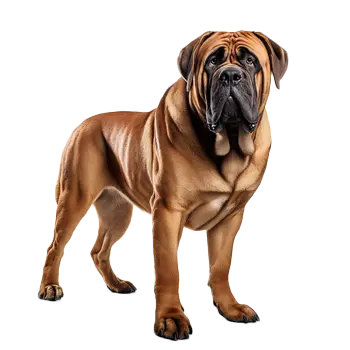

The first day of a Mastiff puppy's life is both miraculous and demanding. Mastiff litters can range from six to twelve puppies, and given the breed's giant stature, each newborn typically weighs between one and one and a half pounds at birth. Immediately after delivery, the dam should begin cleaning each puppy, stimulating breathing and circulation by licking away the amniotic membrane. If the mother does not attend to a puppy promptly, the breeder must step in to clear the airway and gently rub the puppy with a warm towel to encourage respiration.
During these initial hours, every puppy should be checked for obvious abnormalities such as cleft palate, which can interfere with nursing. Mastiff puppies are born blind, deaf, and entirely dependent on their mother for warmth and nourishment. Their primary activities during this period are sleeping and nursing, and any puppy that is not latching onto a nipple within the first hour or two may need assistance being guided to the dam's mammary area.
The whelping environment should be kept clean, dry, and warm. Ambient temperature in the whelping box area should hover around eighty-five degrees Fahrenheit for the first week, as newborn Mastiffs cannot regulate their own body temperature. A heat lamp or heating pad placed beneath bedding on one side of the box gives puppies a warm zone to migrate toward while also allowing them space to move away if they become too warm.
Breeders should weigh each puppy at birth and record the weight carefully. Daily weigh-ins over the coming weeks will be the most reliable indicator of whether each puppy is nursing adequately and gaining at a healthy rate. A Mastiff puppy that fails to gain weight or loses weight in the first twenty-four hours warrants immediate veterinary attention, as the window for intervention in neonatal puppies is critically narrow.