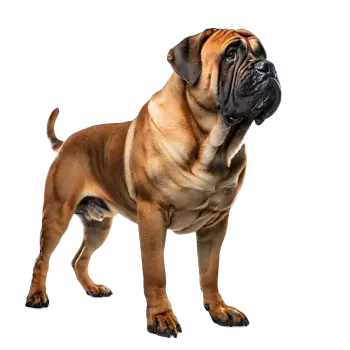

Peak Health Maintenance

The adult Bullmastiff, typically considered fully mature between two and a half and three years of age, enters its prime years as a powerful, confident, and imposing dog. Maintaining peak health during this period requires a proactive approach that emphasizes prevention over reaction. The foundation built during puppyhood and adolescence now supports a dog that should be at its physical and behavioral best, and the goal is to preserve that condition for as long as possible.

Regular veterinary checkups, ideally at least once per year, provide the opportunity to catch emerging health issues before they become serious. Bullmastiffs are predisposed to several conditions that can develop silently during the adult years, including cardiac disease, hypothyroidism, and certain cancers. A thorough annual examination that includes bloodwork, urinalysis, and a cardiac evaluation gives the veterinarian a baseline against which future changes can be measured.

Weight management is arguably the single most important factor in maintaining a Bullmastiff's health during its prime years. Even a few extra pounds on a breed this size places significant additional stress on the joints, heart, and respiratory system. An adult Bullmastiff should have a visible waist when viewed from above and a slight abdominal tuck when viewed from the side. If the ribs cannot be easily felt beneath a thin layer of fat, the dog is likely carrying more weight than is healthy.

Parasite prevention should continue year-round, covering fleas, ticks, heartworm, and intestinal parasites. The specific products and protocols appropriate for your Bullmastiff should be determined in consultation with your veterinarian, as the breed's size and potential sensitivities may influence product selection. Staying current on vaccinations, including core and lifestyle-based boosters, is also an essential component of maintaining the adult Bullmastiff's immune defenses.

Nutrition at Maturity

Feeding an adult Bullmastiff requires a thoughtful approach that accounts for the breed's size, relatively moderate energy level, and predisposition to weight gain. A high-quality adult dog food formulated for large or giant breeds provides the appropriate balance of protein, fat, and carbohydrates to sustain the dog's substantial muscle mass without encouraging excessive weight gain. The protein source should be clearly identified on the ingredient list, and the food should meet established nutritional adequacy standards.

Most adult Bullmastiffs do well on two measured meals per day rather than a single large feeding. Dividing the daily ration into two portions helps maintain steady energy levels and reduces the risk of gastric dilatation-volvulus, commonly known as bloat, which is a life-threatening emergency that large, deep-chested breeds are particularly susceptible to. Feeding from a slow-feeder bowl and avoiding vigorous exercise immediately before and after meals are additional precautions that can help reduce bloat risk.

Treats are a valuable training and bonding tool, but they must be factored into the dog's total daily caloric intake. It is easy to underestimate how quickly treats add up, especially when multiple family members are each offering rewards throughout the day. Low-calorie options such as small pieces of lean meat, plain vegetables like green beans or carrots, or commercial treats specifically designed for large breeds help keep treat calories in check.

Fresh, clean water should be available at all times. Bullmastiffs drink a considerable amount of water, and dehydration can occur more quickly than owners might expect, particularly during warm weather or after exercise. Water bowls should be large enough to accommodate the breed's broad muzzle and should be washed and refilled daily to prevent bacterial growth.

Exercise & Fitness

Adult Bullmastiffs are not high-energy dogs, but they do require consistent daily exercise to maintain muscle tone, joint health, and a healthy weight. Two moderate walks per day, each lasting twenty to thirty minutes, provide a solid baseline of activity for most adult Bullmastiffs. The pace should be set by the dog rather than forced, and the walks should include opportunities for sniffing and mental engagement, which are just as beneficial as the physical movement itself.

Beyond daily walks, activities such as swimming, hiking on moderate terrain, and structured play sessions in a fenced yard contribute to overall fitness. Bullmastiffs often enjoy short bursts of energetic play followed by periods of rest, and this pattern aligns well with their natural activity preferences. Endurance activities like long-distance running or cycling alongside the dog are generally not appropriate for this breed due to its size, joint structure, and tendency to overheat.

Heat management remains a concern throughout the adult years. The Bullmastiff's large body mass and relatively short muzzle make it less efficient at dissipating heat compared to longer-muzzled breeds. Exercise should be scheduled during the coolest parts of the day during summer months, and the dog should always have access to shade and water. Any signs of heat distress, including excessive drooling, heavy panting, stumbling, or lethargy, require immediate action — moving the dog to a cool area, offering water, and contacting a veterinarian if symptoms persist.

Mental stimulation should be considered a component of the fitness routine. Puzzle toys, scent work, obedience drills, and short training sessions keep the Bullmastiff's mind engaged and help prevent the boredom-driven behaviors that can emerge in an under-stimulated dog of this intelligence level. A Bullmastiff that is both physically exercised and mentally challenged is typically calm, content, and easy to live with.

Preventive Health Care

Preventive health care for the adult Bullmastiff extends beyond annual veterinary visits and vaccinations to include breed-specific screening and monitoring. Bullmastiffs are known to be at elevated risk for several serious health conditions, and early detection through routine screening can significantly improve outcomes. Cardiac screening, including auscultation and, in some cases, echocardiography, helps identify subaortic stenosis and dilated cardiomyopathy, both of which can be present in the breed.

Orthopedic health deserves ongoing attention throughout adulthood. Hip and elbow dysplasia are prevalent in Bullmastiffs, and even dogs that were screened and cleared as young adults can develop degenerative joint disease as they age. Monitoring for signs of lameness, stiffness after rest, reluctance to climb stairs, or difficulty rising helps catch joint problems at a stage where management options are most effective. Maintaining a lean body condition is one of the most powerful tools for protecting joint health over time.

Skin and ear health require regular attention in this breed. Bullmastiffs are prone to skin fold dermatitis, particularly around the face and muzzle, where moisture and bacteria can accumulate in the wrinkles. Regular cleaning and thorough drying of facial folds helps prevent irritation and infection. The ears should be inspected weekly and cleaned as needed, as the breed's folded ear structure can trap moisture and debris, creating an environment conducive to ear infections.

Cancer surveillance is unfortunately an important part of preventive care for Bullmastiffs, as the breed has a higher-than-average incidence of certain cancers, including lymphoma and mast cell tumors. Owners should perform regular at-home checks, running their hands over the dog's entire body to feel for unusual lumps, bumps, or swellings. Any new growth, regardless of size, should be evaluated by a veterinarian promptly. Early detection and treatment offer the best prognosis for many canine cancers.

Behavioral Maturity

The adult Bullmastiff that has been properly socialized and trained during its formative months is typically a calm, confident, and deeply loyal companion. The breed's natural guarding instincts are fully expressed during adulthood, manifesting as an alert awareness of the home environment and a quiet watchfulness around strangers. Unlike more vocal guardian breeds, the Bullmastiff tends to observe and assess rather than bark, intervening physically only if it perceives a genuine threat.

Behavioral maturity in this breed generally solidifies between two and three years of age, though some individuals may retain playful, puppy-like tendencies somewhat longer. Once settled into adulthood, most Bullmastiffs develop predictable daily routines and preferences. They tend to choose a favorite resting spot from which they can observe household activity, and they often follow their preferred person from room to room without being overtly demanding of attention.

Despite their imposing size, adult Bullmastiffs are often remarkably gentle within the family unit. They are known for their patience with children and their ability to modulate their strength during interactions with smaller household members. However, their sheer physical power means that supervision is always advisable when any large dog interacts with young children, regardless of the dog's temperament.

Ongoing training and mental engagement remain important throughout adulthood. While the intensive training period of adolescence may be over, regular reinforcement of commands, continued socialization experiences, and periodic exposure to new environments help maintain the dog's responsiveness and adaptability. A Bullmastiff that is included in family activities and treated as an active member of the household is far more stable and content than one that is isolated or left to entertain itself.

Dental & Grooming

Dental care is a frequently overlooked aspect of adult Bullmastiff maintenance, yet it has a direct impact on the dog's overall health and quality of life. Periodontal disease is one of the most common health problems in adult dogs of all breeds, and the bacteria associated with dental infections can enter the bloodstream and affect the heart, kidneys, and liver. Regular brushing with a canine-specific toothpaste, ideally several times per week, is the most effective way to prevent plaque and tartar accumulation.

Professional dental cleanings performed under anesthesia allow the veterinarian to address tartar buildup below the gumline, extract damaged teeth, and evaluate the overall health of the oral cavity. The frequency of professional cleanings varies by individual, but most adult Bullmastiffs benefit from an assessment at least once a year. Between cleanings, dental chews and toys designed to promote chewing can help reduce plaque, though they are not a substitute for brushing.

The Bullmastiff's short, dense coat is relatively low-maintenance compared to longer-coated breeds, but it still benefits from regular grooming. Weekly brushing with a rubber curry brush or bristle brush removes loose hair, distributes natural skin oils, and provides an opportunity to inspect the skin for irritation, parasites, or unusual growths. Bullmastiffs shed moderately year-round with heavier seasonal shedding in spring and fall.

Bathing should be done as needed, typically every four to six weeks, using a mild dog shampoo that will not strip the natural oils from the coat. The facial wrinkles require more frequent attention — they should be wiped clean and dried thoroughly at least every other day to prevent the bacterial and yeast infections that thrive in warm, moist skin folds. Nails should be trimmed regularly, as overgrown nails can alter the dog's gait and contribute to joint stress over time.

Always consult a qualified professional before making any health-related decisions. This content is provided for informational reference only and should not replace professional guidance specific to your animal.