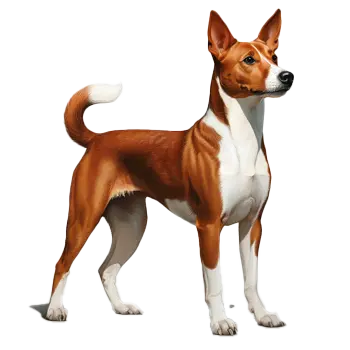

Peak Health Maintenance

The adult Basenji, generally considered fully mature between two and three years of age, enters a phase of relative physical stability that can last well into the dog's senior years. During these prime years the Basenji should present a lean, muscular silhouette with well-defined ribs that can be felt under a thin layer of tissue, a tucked abdomen, and the alert, poised carriage that defines the breed. Maintaining this condition requires attentive ownership, regular veterinary care, and a proactive approach to health management.

Annual wellness examinations are the cornerstone of adult health maintenance. A thorough veterinary checkup should include a complete physical examination, bloodwork including a complete blood count and chemistry panel, urinalysis, fecal testing for intestinal parasites, and an assessment of body condition. For Basenjis specifically, annual urinalysis with a focus on glucose levels is particularly important due to the breed's predisposition to Fanconi syndrome, a renal tubular disorder that causes the kidneys to leak glucose and other nutrients into the urine. Early detection through routine urine strip testing allows for timely management.

Vaccination schedules for adult dogs typically shift from the frequent puppy series to booster protocols administered every one to three years, depending on the vaccine and regional risk factors. Core vaccines for distemper, parvovirus, adenovirus, and rabies should remain current. Non-core vaccines such as those for leptospirosis, Lyme disease, or canine influenza may be recommended based on the dog's lifestyle and geographic exposure.

Parasite prevention should continue year-round in most climates. Monthly heartworm preventive, flea and tick control, and periodic deworming protect the adult Basenji from common parasitic threats. Your veterinarian can recommend the most appropriate products based on your area and your dog's specific risk profile.

Nutrition at Maturity

Feeding an adult Basenji well is less about complexity and more about consistency and quality. The breed's relatively modest size and efficient metabolism mean that overfeeding is a more common problem than underfeeding among pet Basenjis. An adult Basenji in good condition typically requires between 700 and 900 calories per day, though this varies with activity level, metabolism, and whether the dog has been spayed or neutered.

A high-quality adult dog food that lists a named animal protein as the first ingredient provides a solid nutritional foundation. The Basenji does not have unusual dietary requirements compared to other breeds of similar size, but its lean build means that weight gain shows quickly and can stress joints and internal organs. Monitoring body condition on a regular basis and adjusting portions accordingly keeps the dog in optimal shape.

Treats should constitute no more than ten percent of the daily caloric intake. This is especially important for Basenjis because they are clever and persistent in soliciting food, and many owners find it difficult to resist the breed's expressive face. Using a portion of the daily kibble allowance for training rewards is an effective way to maintain the bond between training and feeding without adding excess calories.

Some Basenjis develop food sensitivities or allergies that manifest as skin irritation, ear infections, or gastrointestinal upset. If these symptoms appear, a veterinarian may recommend a dietary elimination trial to identify the offending ingredient. Common culprits include certain proteins, grains, and artificial additives. Once identified, the allergen can be avoided through careful food selection.

Exercise & Fitness

The adult Basenji is an athlete that requires daily exercise to remain physically fit and mentally balanced. While the breed is not as high-energy as some working or herding dogs, it is far from a couch companion. A typical adult Basenji benefits from at least one hour of combined physical activity and mental stimulation each day, divided between walks, play sessions, and enrichment activities.

Walks should be conducted on leash unless the dog is in a securely fenced area. The Basenji's prey drive remains strong throughout adulthood, and even well-trained individuals are likely to give chase if a small animal crosses their path. A standard six-foot leash and a well-fitted harness or martingale collar provide adequate control while allowing the dog to explore and sniff, which is itself a valuable form of mental enrichment.

Organized activities such as lure coursing, agility, and rally obedience offer excellent outlets for the Basenji's physical abilities and competitive spirit. Lure coursing, in particular, taps directly into the breed's sighthound instincts and provides intense physical exertion in a controlled environment. Many Basenji owners find that their dogs excel at and genuinely enjoy these sports, and the structured training involved strengthens the dog-owner relationship.

Indoor enrichment is an important supplement, especially during inclement weather or when schedules prevent extended outdoor sessions. Puzzle toys, scent games, and interactive feeding devices engage the Basenji's problem-solving abilities and prevent the boredom that leads to household destruction. Rotating toys and varying enrichment activities keeps things novel and interesting for a breed that loses interest quickly in repetitive tasks.

Preventive Health Care

Beyond routine wellness exams and vaccinations, preventive health care for the adult Basenji includes breed-specific screening and early intervention strategies. The Basenji Health Endowment provides resources and information on genetic testing, and responsible owners should be aware of the conditions most commonly associated with the breed.

Fanconi syndrome remains the most significant breed-specific health concern. A DNA test is available that identifies whether a dog is clear, a carrier, or affected. Dogs that test as affected should have their urine tested monthly with glucose strips so that the onset of symptoms can be detected at the earliest possible stage. When caught early, Fanconi syndrome can be managed with a specific supplementation protocol developed in consultation with a veterinarian, allowing many affected dogs to live comfortably for years.

Progressive retinal atrophy is another condition seen in the breed that leads to gradual vision loss. A genetic test can identify carriers and affected individuals. Annual ophthalmic examinations by a board-certified veterinary ophthalmologist are recommended, particularly for dogs that have not been genetically tested or whose test results indicate carrier status. Hip dysplasia, while less common in the Basenji than in larger breeds, does occur and can be assessed through radiographic screening.

Thyroid function should be monitored periodically, as hypothyroidism has been reported in the breed. Symptoms include unexplained weight gain, lethargy, skin and coat changes, and intolerance to cold. A simple blood test can measure thyroid hormone levels, and the condition is readily managed with daily medication if detected.

Behavioral Maturity

The adult Basenji, having passed through the trials of adolescence, generally settles into a more predictable behavioral pattern by age two to three. This does not mean the breed becomes docile or easygoing. Rather, the Basenji's core personality traits, its independence, intelligence, curiosity, and occasional willfulness, become more consistent and manageable as the dog matures. Owners who have invested in training and socialization during puppyhood reap the rewards during the adult years.

Adult Basenjis form strong bonds with their families but often retain a degree of aloofness with strangers. This is a normal breed characteristic, not a behavioral problem. Forcing a Basenji to interact with unfamiliar people when it would prefer to observe from a distance creates unnecessary stress. Allowing the dog to approach new people on its own terms produces far better outcomes.

Same-sex aggression can become more pronounced in adulthood, particularly among intact dogs. Multi-dog households that include Basenjis should be managed with awareness of social dynamics and potential resource guarding. Feeding dogs separately, providing multiple resting areas, and supervising interactions help prevent conflicts. Introducing a new dog into a household with a resident Basenji requires careful, gradual introductions and realistic expectations.

The adult Basenji's prey drive does not diminish with age. Small household pets such as cats, rabbits, hamsters, and birds remain potential targets unless the dog has been raised with them from a very young age and even then, supervision is prudent. Management and environmental control, keeping doors closed, securing enclosures, and maintaining leash control outdoors, are lifelong responsibilities for Basenji owners.

Dental & Grooming

The Basenji is one of the lowest-maintenance breeds when it comes to grooming. Its short, fine coat sheds minimally and the breed is famously fastidious about self-grooming, often licking its coat clean in a manner reminiscent of a cat. A weekly once-over with a soft bristle brush or grooming mitt removes loose hair and distributes natural skin oils, keeping the coat sleek and healthy. Bathing is rarely necessary and should be reserved for occasions when the dog has gotten into something particularly dirty or odorous.

Dental care, however, deserves far more attention than many owners give it. Periodontal disease is one of the most common health issues in adult dogs of all breeds, and the Basenji is no exception. Bacteria from infected gums can enter the bloodstream and affect the heart, kidneys, and liver. Daily tooth brushing with a canine-specific toothpaste is the gold standard for home dental care. For dogs that resist brushing, dental chews, water additives, and enzymatic dental sprays can supplement the routine, though they are less effective than brushing alone.

Professional dental cleanings under anesthesia should be performed as recommended by your veterinarian, typically every one to two years depending on the dog's dental health. These cleanings allow for thorough scaling below the gum line, polishing, and assessment of each tooth for cracks, decay, or resorption.

Nail trimming should be performed every two to three weeks or whenever the nails begin to touch the ground when the dog is standing. Overgrown nails alter the dog's gait and can lead to discomfort and joint strain. Ear cleaning is generally straightforward in the Basenji, as the breed's erect ears allow good airflow and are less prone to infection than floppy-eared breeds. A routine check for debris or redness during weekly grooming sessions is usually sufficient.

Always consult a qualified professional before making any health-related decisions. This content is provided for informational reference only and should not replace professional guidance specific to your animal.