
Growth & Physical Development

The juvenile period for a Texel guinea pig spans roughly from four weeks to about five or six months of age, and it is a time of rapid and dramatic physical transformation. During this stage, pups undergo their most significant growth spurt, steadily gaining weight and filling out their frame. A healthy juvenile Texel should show consistent weekly weight gains, and regular weigh-ins remain an important tool for tracking development. By the end of the juvenile period, most Texels will have reached close to their adult size, though some individuals may continue to fill out slightly beyond six months.

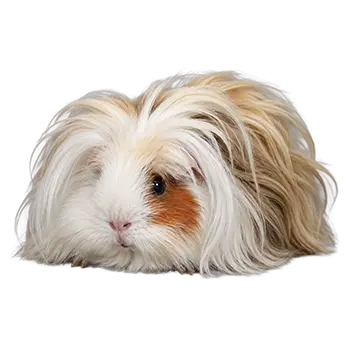
The Texel's defining feature, its luxurious curly coat, undergoes a remarkable transformation during this stage. The short, loosely curled baby fur gradually gives way to the longer, more tightly spiraled ringlets that characterize the adult coat. This transition can make the coat appear somewhat unruly or uneven for a period, which is completely normal. The coat will require increasing attention as it grows, and establishing a regular grooming routine during the juvenile months sets the foundation for lifelong coat maintenance.

Skeletal and muscular development are proceeding rapidly during adolescence, which makes proper nutrition absolutely critical. The bones are still growing and hardening, and the muscles are building the strength needed to support the guinea pig's adult body. Adequate calcium intake is important for skeletal development, but excessive calcium in older juveniles can contribute to bladder stone formation, so dietary balance must be carefully managed as the animal matures.

You may also notice changes in your Texel's body proportions during this period. Young guinea pigs often go through phases where their heads appear slightly large for their bodies, or their hindquarters seem to outpace the rest of their growth. These temporary imbalances are part of normal development and will even out as the animal approaches maturity.

Nutrition & Diet Transition

As your Texel guinea pig moves through the juvenile stage, its nutritional needs shift significantly from those of a nursing newborn. By four to five weeks of age, pups should be fully weaned and eating a diet composed primarily of unlimited timothy hay, a measured daily portion of high-quality guinea pig pellets, and a variety of fresh vegetables. Timothy hay is the cornerstone of the diet, providing the fiber essential for healthy digestion and the abrasive texture needed to keep constantly growing teeth properly worn down.

Pellets formulated specifically for guinea pigs should be plain, without added seeds, nuts, dried fruit, or colorful pieces, which are high in sugar and fat and offer no nutritional benefit. Young guinea pigs under six months may be offered alfalfa-based pellets, which provide extra calcium and protein to support growth. However, the transition to timothy-based pellets should begin as the guinea pig approaches six months of age, as the higher calcium content of alfalfa becomes unnecessary and potentially harmful once growth slows.

Fresh vegetables are a vital source of vitamin C, which guinea pigs cannot produce internally. Bell peppers, particularly red and yellow varieties, are among the richest sources of vitamin C available and should be offered daily. Dark leafy greens such as romaine lettuce, green leaf lettuce, and cilantro provide additional nutrients and variety. Introduce new vegetables one at a time and in small quantities to monitor for any digestive upset, gradually building a diverse and balanced rotation of produce.

Fresh, clean water must be available at all times through a sipper bottle that the growing guinea pig can easily access. Check the bottle daily to ensure it is functioning properly and not clogged, and change the water at least once a day. Avoid adding vitamin supplements to the water, as they can alter the taste and discourage drinking, and they degrade quickly once dissolved. The guinea pig's vitamin C needs are better met through fresh vegetables and properly formulated pellets.

Behavioral Changes

Adolescence brings a noticeable shift in your Texel guinea pig's behavior and personality. As juveniles become more confident and assertive, you may observe an increase in vocalizations, exploratory behavior, and social interactions. Young Texels often become more animated during this stage, engaging in frequent popcorning, which is the joyful leaping and twisting motion that signals excitement and contentment. This exuberant energy is a healthy sign and should be encouraged through ample space and enrichment opportunities.

Social dynamics within a group of guinea pigs often become more complex during the juvenile period. Young guinea pigs begin testing boundaries and establishing their place in the social hierarchy. This can manifest as rumblestrutting, mounting, teeth chattering, and occasional chasing. While these behaviors can appear alarming, they are a normal part of social negotiation among guinea pigs and typically resolve without intervention. However, any interaction that escalates to actual biting or draws blood requires immediate separation and a reassessment of the living arrangement.

Male Texels in particular may display increased territorial and dominance behaviors as they approach sexual maturity, which can occur as early as three to four weeks of age. These behaviors include rumblestrutting around cage mates, scent marking, and mounting. If you are housing multiple males together, this period requires careful observation to ensure that competition does not escalate into aggression. Providing a large enough enclosure with multiple hiding spots, food stations, and water bottles helps reduce conflict by minimizing competition for resources.

Female Texels tend to be somewhat less overtly dramatic in their adolescent behavioral shifts, but they too are establishing social bonds and preferences during this time. Females may show occasional bossiness with cage mates and can be selective about which companions they prefer. The social bonds formed during the juvenile period often persist into adulthood, so careful attention to group compatibility during this stage pays dividends in long-term harmony.

Training & Enrichment

While guinea pigs are not typically thought of as trainable animals, juvenile Texels are surprisingly responsive to gentle, consistent interaction and can learn a variety of useful behaviors. The most practical training goal during this stage is teaching your guinea pig to feel comfortable being handled, picked up, and groomed, all of which are essential for a breed that requires regular coat maintenance. Start by offering a favorite treat from your hand, then gradually progress to stroking, lifting, and holding the guinea pig while it eats.

Many guinea pigs can learn to come when called, respond to the sound of a treat bag rustling, and even navigate simple obstacle courses. These activities are not just entertaining for the owner; they provide valuable mental stimulation for the guinea pig and strengthen the bond between animal and caretaker. Use small pieces of favorite vegetables as rewards, and keep training sessions short and positive, no more than five to ten minutes at a time, to maintain the guinea pig's interest and avoid stress.

Environmental enrichment is particularly important during the juvenile period, when curiosity and energy levels are at their peak. Provide tunnels, hideaways, crinkle bags, and safe chew toys to keep your Texel mentally and physically engaged. Rearranging cage furniture periodically gives the guinea pig new territory to explore and prevents boredom. Floor time outside the cage in a safe, enclosed area allows for additional exercise and exploration that the cage alone cannot provide.

Litter training, while not always fully achievable with guinea pigs, can be partially encouraged during the juvenile stage. Guinea pigs naturally tend to designate a preferred corner for elimination. Placing a small litter pan in that corner and filling it with a different substrate than the rest of the cage can help contain mess and make cage cleaning easier. Reward your guinea pig with a small treat when it uses the litter area to reinforce the behavior.

Exercise & Activity

Juvenile Texel guinea pigs are bundles of energy, and providing adequate opportunities for physical activity is essential for their health and development. The cage itself should be as large as practically possible, with a minimum of seven and a half square feet of floor space for a single guinea pig and more for pairs or groups. Guinea pigs are ground-dwelling animals that benefit from horizontal space rather than vertical levels, so prioritize floor area over height when setting up the enclosure.

Daily floor time outside the cage is one of the best forms of exercise you can provide. Set up a guinea-pig-proofed area using playpens or barriers, ensuring there are no exposed electrical cords, toxic plants, small objects that could be swallowed, or gaps where the guinea pig could escape or become stuck. Scatter hay, tunnels, and hiding spots throughout the play area to encourage exploration and movement. Supervise floor time closely, especially if other pets are in the household.

The Texel's long curly coat requires some consideration when it comes to exercise environments. Avoid areas with rough or splintery surfaces that could tangle or damage the coat, and be mindful of bedding materials that might become embedded in the curls. After floor time sessions, do a quick check of the coat for debris, tangles, or any foreign objects that may have become caught in the ringlets during play.

Social interaction is itself a form of exercise and stimulation for guinea pigs. Housing your Texel with a compatible companion provides constant opportunities for movement, play, and social engagement that a solitary guinea pig simply cannot replicate on its own. Paired or grouped guinea pigs tend to be more active, more vocal, and more confident than those housed alone, making companionship one of the most important factors in your juvenile Texel's physical and emotional wellbeing.

Spay & Neuter Considerations

The decision to spay or neuter a Texel guinea pig is one that should be made in consultation with a veterinarian experienced in exotic small animal surgery. Unlike dogs and cats, guinea pigs do not have a strong medical tradition of routine spaying and neutering, and the procedures carry somewhat higher risk in these small animals due to their sensitivity to anesthesia and their unique physiology. However, there are circumstances where the benefits clearly outweigh the risks.

Neutering a male guinea pig is most commonly considered when the owner wishes to house a male with one or more females without the risk of breeding. The procedure is generally considered safer and less invasive than spaying a female. A neutered male must still be kept separated from females for several weeks after surgery, as residual sperm can remain viable for a period following the procedure. Your veterinarian will advise on the appropriate waiting period before reintroduction.

Spaying a female guinea pig is a more involved surgery and carries greater anesthetic risk, but it may be recommended in specific medical situations. Female guinea pigs are prone to developing ovarian cysts, which can cause hormonal imbalances, hair loss, and discomfort. In some cases, a veterinarian may recommend spaying as a preventive measure or as treatment for existing cysts. The decision should always be based on an individual health assessment rather than a blanket recommendation.

If surgery is pursued, selecting a veterinarian with specific experience in guinea pig procedures is critically important. Not all veterinary practices are equipped to handle the unique challenges of cavy anesthesia and surgery. Ask about the veterinarian's experience with guinea pig procedures, their anesthetic protocols, and their post-operative monitoring practices. Post-surgical care at home will include pain management, incision monitoring, and ensuring the guinea pig resumes eating and drinking promptly, as guinea pigs cannot tolerate fasting.

Socialization & Exposure

The juvenile period represents a golden window for socialization in Texel guinea pigs. Experiences during this stage shape the guinea pig's comfort level with handling, environmental changes, and social interactions for the rest of its life. A well-socialized juvenile Texel will grow into a confident, relaxed adult that is easier to handle, groom, and provide veterinary care for, all of which are particularly important given the breed's high-maintenance coat.

Daily handling sessions should be a priority during this stage. Hold your Texel on your lap while offering treats, gently stroking its body and carefully touching its feet, ears, and belly. These areas will need to be accessed during grooming and veterinary examinations, so acclimating the guinea pig to being touched in these spots while it is young makes future care significantly less stressful. Speak softly and calmly during handling sessions, and always support the guinea pig's body fully to prevent it from feeling insecure.

Expose your juvenile Texel to a variety of people if possible, including family members and trusted friends. Guinea pigs that interact with only one person can become overly dependent on that individual and fearful of others. Encourage visitors to offer treats and handle the guinea pig gently, using slow movements and quiet voices. Children should always be supervised during interactions and taught to sit on the floor while holding the guinea pig to minimize the risk of injury from falls.

Introducing your Texel to new environments, sounds, and experiences during the juvenile period builds resilience and adaptability. Short supervised excursions to different rooms in the house, exposure to the sounds of television or music at moderate volumes, and gentle introduction to the sights and smells of household activities all contribute to a well-rounded temperament. Always monitor the guinea pig's stress signals during new experiences, including freezing, wide eyes, rapid breathing, or attempts to flee, and return it to its familiar environment if it becomes overwhelmed.

Always consult a qualified professional before making any health-related decisions. This content is provided for informational reference only and should not replace professional guidance specific to your animal.