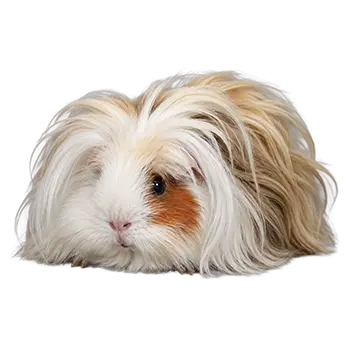

Breeding Readiness

Before considering breeding Texel guinea pigs, it is essential to understand the significant responsibilities and risks involved. Breeding guinea pigs is not a decision to be taken lightly, as pregnancy and delivery carry real health risks for the mother, and bringing new guinea pigs into the world requires a commitment to finding suitable, permanent homes for all offspring. A thorough understanding of guinea pig reproductive biology, breed-specific considerations, and the practical demands of managing a pregnant sow and her litter is the minimum prerequisite for responsible breeding.

Female guinea pigs, known as sows, reach sexual maturity as early as four to six weeks of age, while males, known as boars, can become fertile at as young as three weeks. However, sexual maturity does not equal breeding readiness. Sows should not be bred until they are at least four months old and have reached a healthy adult weight, typically around 700 grams or more. Equally important is an upper age limit for first-time breeding. A sow that has never been bred should ideally have her first litter before ten months of age, as the pubic symphysis, a cartilaginous joint in the pelvis, fuses after this point and can prevent the birth canal from opening sufficiently for safe delivery.

Both the prospective sire and dam should be in excellent overall health before breeding is attempted. This means a healthy weight, a full and well-maintained coat, bright eyes, clean ears, properly aligned teeth, and no history of chronic health problems. A pre-breeding veterinary examination for both animals is strongly recommended. The veterinarian can assess overall fitness, check for any underlying conditions, and discuss the specific risks associated with guinea pig pregnancy.

For Texel breeders specifically, coat quality and type are among the traits being selected for, and pairing decisions should consider the genetic implications for the offspring's coat texture, curl pattern, and density. However, aesthetic goals should never take priority over health and temperament. Breeding animals with known health issues, poor temperament, or genetic defects in the interest of producing show-quality coats is irresponsible and harmful to the breed.

The Estrous Cycle

Female guinea pigs have an estrous cycle that repeats approximately every fifteen to seventeen days, making them polyestrous animals that can potentially breed year-round. The period of receptivity, or estrus, during which the sow will accept the boar, lasts roughly eight to twenty-four hours. Recognizing the signs of estrus is important for timing breeding attempts and for understanding the behavior of female guinea pigs housed near males.

During estrus, a sow may display distinctive behavioral changes. She may become more active and restless, arch her back when touched along the spine, and assume a characteristic lordosis posture in which she flattens her body and raises her hindquarters. She may also produce a specific vocalization and become more tolerant of or even seek out the boar's attention. Outside of estrus, sows typically reject mating attempts and may respond aggressively to the boar's advances.

If breeding is planned, the boar and sow can be introduced during the sow's receptive period. Some breeders choose to house the pair together for one or two full estrous cycles to ensure that mating occurs, while others prefer supervised introductions during observed estrus periods. Whichever approach is used, monitor the pair closely for any signs of aggression or incompatibility. Not all guinea pigs are compatible as breeding partners, and forced pairings can result in stress and injury.

It is worth noting that a sow enters a fertile postpartum estrus within hours of giving birth. If a boar is present in the cage during or after delivery, the sow can become pregnant again almost immediately, resulting in back-to-back pregnancies that place enormous strain on her body. For this reason, boars must always be separated from sows before delivery and not reintroduced until an appropriate recovery period has passed, or ideally not at all unless another planned breeding is intended.

Pregnancy & Gestation

The gestation period for guinea pigs is notably long compared to other rodents, lasting approximately fifty-nine to seventy-two days, with an average of around sixty-three to sixty-eight days. This extended pregnancy allows the pups to develop fully in utero, resulting in the remarkably precocial young that guinea pigs are known for. During this time, the pregnant Texel sow requires attentive care, a nutrient-rich diet, and a calm, stable environment.

Physical changes during pregnancy become noticeable as the gestation progresses. The sow will gain significant weight, and by the midpoint of pregnancy, her abdomen will be visibly enlarged. In the later weeks, you may be able to feel the individual pups moving when gently placing your hand on her belly. Avoid rough handling or excessive palpation, as this can stress the sow and potentially harm the developing pups. A typical guinea pig litter consists of one to six pups, with two to four being most common.

Nutritional demands increase substantially during pregnancy. The sow's vitamin C requirements roughly double, and she needs additional calories and protein to support the growth of her litter. Offer alfalfa hay alongside timothy hay for its higher calcium and protein content, increase the daily portion of vitamin C-rich vegetables, and ensure fresh pellets are available at all times. Clean water consumption will also increase, so check and refill the water bottle more frequently. Some breeders offer a small daily supplement of vitamin C by syringe to ensure adequate intake during pregnancy.

Toxemia of pregnancy, also known as pregnancy ketosis, is a serious and potentially fatal condition that most commonly occurs in the last two weeks of pregnancy or shortly after delivery. It is most prevalent in overweight sows, sows carrying large litters, and sows under environmental stress. Signs include lethargy, loss of appetite, muscle spasms, labored breathing, and a sweet or fruity odor on the breath. This condition requires immediate emergency veterinary care, as it can progress rapidly to coma and death without treatment.

Birth Preparation

As the expected delivery date approaches, preparing the sow's environment for a safe and comfortable birth becomes the top priority. Guinea pig births typically occur quickly and without complications, but having everything in place ahead of time allows you to focus on monitoring the process rather than scrambling for supplies. Most sows deliver in the early morning hours, so be prepared for the possibility of waking up to a new litter.

The birthing cage should be a clean, single-level enclosure with solid flooring and soft, absorbent bedding. Remove any cage mates other than the sow, including the boar, well before the expected due date. Eliminate ramps, platforms, and any objects that newborn pups could become trapped under or behind. Provide one or two low-sided hiding spots where the sow can retreat during labor if she chooses, but ensure they are large enough that you can observe her if needed.

Assemble a small birthing kit in advance. This should include clean towels, a small kitchen scale for weighing pups, a notepad for recording birth times and weights, a heat source such as a microwavable heat pad wrapped in a towel in case a pup becomes chilled, and the phone number for your veterinarian and the nearest emergency exotic animal clinic. While most guinea pig births proceed without human intervention, having these supplies at hand ensures you are prepared if assistance becomes necessary.

In the days leading up to delivery, the sow's pelvic bones will begin to separate in preparation for birth. You can check this by gently feeling the area in front of the genital opening. When the gap between the pelvic bones is approximately one to two finger widths, delivery is likely imminent. The sow may also become more restless, eat less, and show nesting behavior. These signs indicate that you should begin checking on her more frequently, including overnight if possible.

Postpartum Care

Once the Texel sow has delivered her litter, the focus shifts to supporting her recovery while ensuring all pups are healthy and nursing successfully. A normal delivery typically takes between fifteen minutes and an hour for the entire litter, with each pup arriving in its amniotic sac, which the mother will rupture and clean away. She will also consume the placentas, which is normal behavior that provides her with needed nutrients and hormones. Count the placentas to ensure one has been delivered for each pup, as a retained placenta can cause serious infection.

The sow will be tired and hungry after delivery. Offer her fresh hay, pellets, water, and a generous portion of her favorite vegetables immediately. Her nutritional needs will remain elevated throughout the nursing period, as producing milk for a litter of two to four pups demands significant energy. Continue the enhanced diet that was provided during pregnancy, with particular attention to vitamin C intake and caloric adequacy. Monitor her weight over the following weeks to ensure she is not losing condition too rapidly.

Check each pup within the first few hours to confirm that all are breathing normally, moving actively, and appear well formed. Weigh each pup and record its birth weight as a baseline for tracking growth. Healthy newborn guinea pigs weigh between 60 and 120 grams and should begin gaining weight within the first day or two. Any pup that fails to gain weight or begins losing weight after the first day needs immediate attention, as this suggests it may not be nursing successfully.

The sow's postpartum estrus, which occurs within hours of delivery, makes it absolutely essential that no intact male guinea pig has access to her during or after the birth. A back-to-back pregnancy places extreme stress on the sow's body and significantly increases the risk of complications, including pregnancy toxemia and delivery difficulties. Keep the boar completely separated and ensure there is no possibility of contact through cage bars or dividers.

Responsible Breeding Ethics

Responsible breeding of Texel guinea pigs extends far beyond the mechanics of reproduction and into the realm of ethical obligation. Every breeding decision should be guided by a genuine commitment to improving the health, temperament, and welfare of the breed, and by a clear-eyed assessment of whether bringing additional guinea pigs into the world is justified given the current availability of animals in need of homes. Guinea pig rescues and shelters across the country are frequently at capacity, and contributing to overpopulation through casual or uninformed breeding is a disservice to the animals.

A responsible Texel breeder carefully selects breeding pairs based on health history, temperament, genetic diversity, and breed standard adherence. They invest in pre-breeding veterinary examinations, maintain detailed records of lineage and health outcomes, and are transparent about any health issues that arise in their lines. They do not breed sows too frequently, allowing adequate recovery time between litters, and they retire breeding animals at an appropriate age, providing them with comfortable homes for the remainder of their lives.

Every responsible breeder has a plan for every pup before a breeding is undertaken. This means having either confirmed homes or a commitment to keeping any pups that cannot be placed. Responsible breeders screen potential adopters carefully, provide education about guinea pig care, and offer a lifetime take-back guarantee, meaning they will accept any animal they have bred back into their care at any point in its life if the adopter can no longer provide for it. This safety net prevents their animals from ending up in shelters or in unsuitable living situations.

The financial reality of responsible breeding should also be clearly understood. When done properly, breeding guinea pigs is not profitable. The costs of veterinary care, high-quality nutrition, appropriate housing, emergency medical treatment, and the time investment required to properly socialize and care for pups far exceed any income from placement fees. Anyone entering guinea pig breeding with the expectation of making money is almost certain to cut corners in ways that compromise animal welfare. The motivation for breeding should always be a love for the breed and a commitment to its betterment, not financial gain.

Always consult a qualified professional before making any health-related decisions. This content is provided for informational reference only and should not replace professional guidance specific to your animal.