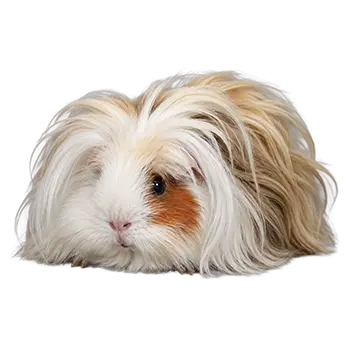

Peak Health Maintenance

The adult stage for a Texel guinea pig generally spans from approximately six months to about four or five years of age, representing the longest and most stable period of the animal's life. During these prime years, your Texel should be at its healthiest, most active, and most settled in temperament. Maintaining this peak condition requires consistent daily care routines, attentive observation, and a proactive approach to health management that catches potential problems before they become serious.

A healthy adult Texel is bright-eyed, alert, and engaged with its environment and companions. It eats eagerly, drinks regularly, produces firm and consistently shaped droppings, and moves freely without signs of pain or stiffness. The coat should be full, evenly curled, and free from bald patches, excessive oiliness, or areas of matting. Any deviation from these baseline indicators warrants closer attention and potentially a veterinary consultation.

Regular health checks at home should become a weekly habit. During these checks, gently examine your Texel's body from nose to tail. Feel for any lumps or swellings beneath the coat, check the teeth for proper alignment and length, inspect the eyes and ears for discharge or irritation, and examine the feet for sores or overgrown nails. The Texel's dense curly coat can easily conceal physical changes, making hands-on examination more important for this breed than for short-coated guinea pig varieties.

Annual veterinary checkups are recommended for adult guinea pigs, even when the animal appears perfectly healthy. These visits allow for professional assessment of dental health, body condition, heart and lung function, and other parameters that are difficult to evaluate at home. Your veterinarian may also recommend periodic blood work or urinalysis, particularly as the guinea pig moves into the later adult years, to screen for common conditions such as urinary tract issues or metabolic changes.

Nutrition at Maturity

The dietary needs of an adult Texel guinea pig are straightforward but demand consistency and quality. Unlimited timothy hay remains the single most important component of the diet, providing the fiber necessary for healthy gastrointestinal function and the abrasive texture that keeps the continuously growing teeth properly worn. A guinea pig that stops eating hay or shows reduced interest in it should be evaluated promptly, as this can signal dental disease, gastrointestinal stasis, or other underlying health issues.

Timothy hay-based pellets should be offered in measured daily portions, typically about one-eighth of a cup per guinea pig per day. Overfeeding pellets is a common mistake that can lead to obesity, selective eating habits, and reduced hay consumption. Choose a plain pellet without added treats, seeds, or colorful pieces, and ensure it is formulated with stabilized vitamin C, as this nutrient degrades over time and pellets that have been stored for too long may no longer provide adequate amounts.

Fresh vegetables should make up a significant portion of the daily diet, with a focus on vitamin C-rich options. A daily serving of bell pepper provides an excellent vitamin C boost, while leafy greens such as romaine lettuce, green leaf lettuce, cilantro, and parsley offer variety and additional nutrients. Introduce variety gradually and rotate through different vegetables to provide a broad nutritional profile. Limit high-calcium greens like kale and spinach to occasional servings, as excessive calcium in adult guinea pigs contributes to the formation of bladder stones and sludge.

Fruits should be offered only as occasional treats due to their high sugar content. A small slice of strawberry, a thin wedge of apple, or a few blueberries once or twice a week is sufficient. Avoid giving citrus fruits, grapes, or any fruit with seeds or pits. Always remove uneaten fresh food from the cage within a few hours to prevent spoilage, and ensure clean, fresh water is available at all times through a properly functioning sipper bottle.

Exercise & Fitness

Adult Texel guinea pigs require daily opportunities for physical activity to maintain a healthy weight, strong muscles, and good cardiovascular health. While guinea pigs are not as overtly athletic as some other small animals, they are naturally active creatures that benefit enormously from space to run, explore, and interact with their environment. A sedentary guinea pig is at increased risk for obesity, muscle wasting, and the behavioral dullness that comes from insufficient stimulation.

The primary enclosure should provide generous floor space, with a minimum of seven and a half square feet for a single guinea pig and at least ten and a half square feet for a pair. Larger is always better, and many dedicated guinea pig owners provide their animals with expansive C&C cage setups that offer far more room than traditional pet store cages. The enclosure should include tunnels, hiding spots, and objects to explore, with the layout refreshed periodically to maintain the guinea pig's interest.

Daily floor time in a safe, supervised environment remains important throughout the adult years. Set aside at least thirty minutes to an hour each day for your Texel to explore outside its cage. Scatter hay, treats, and toys throughout the play area to encourage movement and foraging behavior. For Texels specifically, ensure the floor surface is smooth and clean, as their long curly coats can pick up debris, catch on rough surfaces, and become tangled during vigorous play.

Social interaction with a bonded companion provides continuous low-level exercise throughout the day. Guinea pigs housed in compatible pairs or groups naturally engage in more walking, chasing, and play behavior than solitary animals. If your Texel lives alone, compensate with extra floor time and hands-on interaction, but strongly consider adding a compatible companion if circumstances allow, as the social and physical benefits of pair housing are substantial.

Preventive Health Care

Preventive health care for an adult Texel guinea pig revolves around a combination of consistent home monitoring, routine veterinary visits, and proactive management of breed-specific vulnerabilities. Guinea pigs do not require vaccinations, but they do need regular attention to several health areas that are commonly affected in captive cavies. Staying ahead of potential problems is always preferable to treating conditions after they have advanced.

Dental health is a primary concern for all guinea pigs, whose teeth grow continuously throughout their lives. Malocclusion, in which the teeth become misaligned and overgrow, can prevent the guinea pig from eating and lead to serious secondary complications. The best prevention is ensuring unlimited access to high-quality hay, which promotes the natural grinding motion that keeps teeth at the proper length. Watch for signs of dental trouble such as drooling, difficulty chewing, dropping food, weight loss, or a preference for soft foods over hay.

Urinary tract health deserves particular attention in adult guinea pigs. Bladder stones and urinary sludge are relatively common conditions, especially in animals whose diets are too high in calcium. Signs of urinary problems include squeaking or straining during urination, blood in the urine, a wet or soiled genital area, and reduced activity. Maintaining a diet that is appropriately balanced in calcium, ensuring adequate water intake, and monitoring urination habits during cage cleaning all contribute to urinary tract health.

Skin and coat health are especially important for the Texel breed, whose long curly fur creates a warm, moist environment that can harbor parasites and fungal infections if not properly maintained. Regular grooming sessions serve double duty as both coat care and health screening opportunities. Check for signs of mites, lice, ringworm, or bacterial skin infections during every grooming session. A guinea pig that is scratching excessively, losing hair in patches, or developing crusty or flaky skin needs veterinary evaluation.

Behavioral Maturity

By the time a Texel guinea pig reaches full adulthood, its personality is largely established, and the more dramatic behavioral fluctuations of adolescence have settled into predictable patterns. Adult Texels are typically calm, sociable animals that form strong bonds with their human caretakers and their guinea pig companions. They develop distinct preferences and routines, often becoming vocal and excited at predictable times, such as when they hear the refrigerator door open or the rustling of a vegetable bag.

Social hierarchies among grouped guinea pigs are generally well established by adulthood, and the jostling for position that characterized the juvenile period gives way to a more stable social structure. Occasional mild dominance displays such as rumblestrutting or light mounting may still occur, particularly if the group dynamic is disrupted by the addition or loss of a member. Persistent or escalating aggression in a previously stable group warrants investigation, as it can indicate pain, illness, or hormonal changes in one of the animals.

Adult Texels that have been well socialized during their juvenile period are typically comfortable with handling and grooming, though individual personalities vary. Some guinea pigs are naturally more outgoing and enjoy being held, while others are more reserved and prefer interaction on their own terms. Respecting your guinea pig's individual temperament while continuing to maintain regular handling and grooming sessions ensures a positive relationship built on trust rather than force.

Watch for any sudden changes in behavior, as these can be early indicators of health problems. A guinea pig that becomes unusually withdrawn, stops vocalizing, hides more than usual, or loses interest in food or social interaction may be experiencing pain or illness. Because guinea pigs instinctively mask signs of weakness, behavioral changes are often the first and sometimes only visible sign that something is wrong. Trust your knowledge of your individual animal's normal behavior and seek veterinary advice when something seems off.

Coat Care & Grooming

The Texel's magnificent curly coat is the breed's most striking feature, but it also represents the most significant care commitment compared to other guinea pig breeds. Adult Texels require regular and thorough grooming to keep their coats healthy, clean, and free from painful mats and tangles. Establishing a consistent grooming routine is not optional for this breed; it is an essential component of responsible ownership that directly impacts the animal's comfort and health.

Brushing should be performed at least two to three times per week using a wide-toothed comb or a soft-bristled brush suitable for small animals. Work through the coat gently, starting at the ends of the curls and working your way toward the skin to avoid pulling and causing discomfort. Pay particular attention to the areas behind the ears, under the chin, around the hindquarters, and along the belly, where mats are most likely to form. If you encounter a mat that cannot be gently combed out, carefully trim it away with small, blunt-tipped scissors rather than pulling on it.

Bathing an adult Texel may be necessary occasionally, particularly if the coat becomes soiled around the hindquarters or develops an unpleasant odor. Use lukewarm water and a gentle, fragrance-free shampoo formulated for small animals. Wet the guinea pig's body while keeping the head dry, apply a small amount of shampoo, and rinse thoroughly to remove all soap residue. Drying is critical, as a damp coat left unattended can lead to chilling and skin infections. Gently blot the coat with a soft towel and use a hair dryer on the lowest heat setting, held at a comfortable distance, to dry the curls completely.

Nail trimming should be performed every three to four weeks, as overgrown nails can curl under and cause pain, difficulty walking, and potential injury. Use small animal nail clippers and trim just the tip of each nail, avoiding the quick, which is the pink blood vessel visible in light-colored nails. If your Texel has dark nails, trim conservatively and in small increments. Having styptic powder on hand is a wise precaution in case of accidental nicks. Grease gland cleaning, particularly in males, is another grooming task that should be performed regularly, as the sebaceous gland near the base of the spine can become clogged and crusty without periodic attention.

Always consult a qualified professional before making any health-related decisions. This content is provided for informational reference only and should not replace professional guidance specific to your animal.