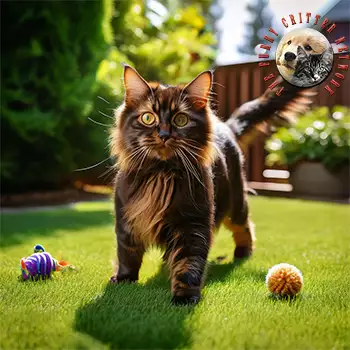

An adult York Chocolate requires a balanced, high-quality diet that supports sustained energy, muscular maintenance, and the health of its distinctive semi-long coat. By the time this breed reaches full maturity, typically around 18 to 24 months, the rapid growth phase has ended and caloric needs decrease significantly compared to the juvenile stage. Most adult York Chocolates thrive on two measured meals per day, though some owners prefer to divide the daily ration into smaller portions offered three times. Free feeding, where food is left out continuously, is generally discouraged because it makes it difficult to monitor intake and can lead to gradual weight gain, particularly in a breed that is already solidly built.
Choose a premium adult cat food with a named animal protein as the primary ingredient. Cats are obligate carnivores, and their nutritional requirements center on animal-derived protein and fat rather than plant-based fillers. A minimum of 26 percent protein on a dry-matter basis is the standard recommendation for adult maintenance, though many nutritionists advocate for higher levels in the range of 30 to 40 percent. Essential amino acids such as taurine and arginine must be present in adequate quantities, as deficiencies can lead to serious cardiac and metabolic disease. The York Chocolate's luxurious coat benefits from diets supplemented with omega-3 fatty acids from fish oil or marine sources, which support skin elasticity and coat sheen.
Wet food offers distinct advantages for the adult York Chocolate. Its high moisture content helps maintain hydration, supports urinary tract health, and provides a protein-dense, lower-carbohydrate nutritional profile that aligns closely with the feline evolutionary diet. Many veterinary nutritionists recommend a combination of wet and dry food to capture the benefits of both formats: the dental abrasion provided by kibble and the hydration benefits of canned food. If feeding a mixed diet, calculate total daily calories from both sources to avoid overfeeding.
Fresh, clean water should be available at all times. York Chocolates frequently show an affinity for running water, and a circulating pet fountain can encourage higher water consumption. Adequate hydration is essential for preventing urinary crystals and supporting kidney function, both of which become more important as the cat ages. Monitor water intake as a general health indicator. A sudden increase or decrease in drinking behavior can be an early sign of conditions such as diabetes, kidney disease, or hyperthyroidism and warrants a veterinary consultation.