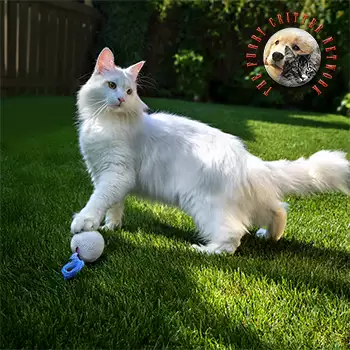

Responsible breeding of Turkish Angoras begins long before any mating takes place. Both the queen and the stud should be fully mature, in excellent health, and have undergone comprehensive health screening before being considered for a breeding program. While Turkish Angoras may reach sexual maturity as early as five to six months, physical and emotional maturity for breeding is typically not achieved until at least eighteen months to two years of age.
Pre-breeding health evaluations should include a complete physical examination, current vaccinations, negative test results for feline leukemia virus and feline immunodeficiency virus, fecal parasite screening, and cardiac evaluation. Turkish Angoras carry a known predisposition to hypertrophic cardiomyopathy, making echocardiographic screening particularly important before including any individual in a breeding program. Breeding a cat with undetected cardiac disease risks passing the condition to offspring and endangering the queen during the physical stress of pregnancy and nursing.
Genetic testing is an essential component of breeding readiness for this breed. White Turkish Angoras, especially those with blue eyes, carry an elevated risk of hereditary deafness linked to the dominant white gene. Responsible breeders test for known genetic markers and make informed pairing decisions to minimize the occurrence of deafness in offspring while preserving the breed's characteristic appearance.
Beyond health, evaluate temperament carefully. Turkish Angoras selected for breeding should exemplify the breed's signature intelligence, sociability, and grace. Cats with significant behavioral issues including extreme fearfulness, unprovoked aggression, or severe stress reactivity should not be bred, as temperament has a substantial heritable component and these traits can compromise the welfare of both the queen and her kittens.