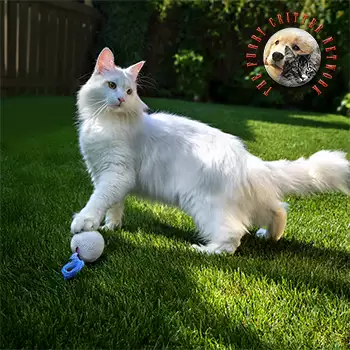

The adult years for a Turkish Angora span roughly from age two through ten, representing the longest and most stable period of their life. During these prime years, the focus shifts from developmental monitoring to proactive maintenance of the excellent health your cat has built during kittenhood and adolescence. A consistent routine of veterinary care, proper nutrition, and attentive observation forms the backbone of long-term wellness.
Annual veterinary wellness examinations are essential even when your Turkish Angora appears perfectly healthy. These visits allow your veterinarian to establish baseline values for weight, heart function, dental health, and bloodwork that become invaluable reference points as your cat ages. Many feline diseases develop gradually and are far more treatable when caught early through routine screening rather than after clinical symptoms appear.
Turkish Angoras are predisposed to hypertrophic cardiomyopathy, a condition in which the heart muscle thickens and loses efficiency over time. Regular cardiac screening through auscultation and periodic echocardiography, particularly if there is a known family history, helps detect changes before they become symptomatic. Discuss an appropriate screening schedule with your veterinarian based on your cat's individual risk profile.
Keep vaccinations current according to your veterinarian's recommendations, which will typically include core vaccines and any non-core vaccines appropriate for your cat's lifestyle and exposure risk. Parasite prevention, including flea, tick, and intestinal parasite control, should continue year-round even for indoor cats, as parasites can enter the home through various pathways.