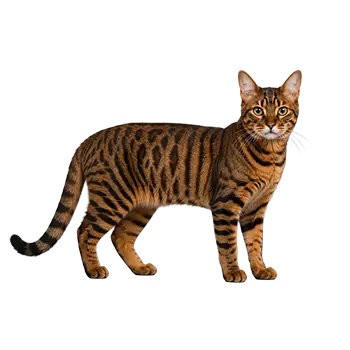

When Does Senior Begin?

The transition from adulthood to senior status in the Toyger generally begins around ten to eleven years of age, though individual cats may show signs of aging earlier or later depending on genetics, lifestyle, and overall health history. Unlike the dramatic milestones of kittenhood, the onset of senior status is typically a gradual process marked by subtle shifts in activity level, metabolism, and resilience.

Many owners first notice their Toyger sleeping slightly longer, playing with less intensity, or hesitating before a jump that was once effortless. These changes are a normal part of aging and do not necessarily indicate disease, but they do signal that the cat's care routine should be reassessed. A proactive approach to senior wellness catches potential issues early, when interventions are most effective.

Veterinary organizations generally classify cats as senior between seven and ten years and geriatric at fifteen years and beyond, but these categories are guidelines rather than rigid thresholds. The Toyger's robust constitution and typically active lifestyle may delay some age-related changes, but this should not create complacency about preventive care. Scheduling biannual veterinary checkups once your Toyger enters the senior range provides more frequent monitoring than the annual visits recommended for younger adults.

Understanding that aging is not a disease but a natural process helps owners approach this stage with optimism rather than dread. Many Toygers continue to enjoy playful, affectionate, and engaged lives well into their teens with appropriate adjustments to their care and environment.

Mobility & Joint Health

Joint stiffness and reduced mobility are among the most common age-related changes in senior cats, though cats are notoriously skilled at hiding discomfort. In the Toyger, a breed known for its athletic prowess, declining mobility may first manifest as reluctance to jump onto previously favored perches, a preference for lower resting spots, or a subtle change in gait that becomes more apparent on cold mornings.

Arthritis affects a significant proportion of cats over the age of ten, though many cases go undiagnosed because cats compensate so effectively. Observing your Toyger's movement patterns, particularly after rest, provides important clues. Stiffness that improves with gentle movement, difficulty grooming the lower back and hindquarters, and reduced interest in climbing or chasing toys all warrant veterinary evaluation.

Environmental modifications make a meaningful difference in the senior Toyger's comfort and quality of life. Ramps or pet stairs placed near beds and favored furniture reduce the need for high jumps. Litter boxes with low entry sides eliminate the need to step over tall edges. Heated beds or pads placed in draft-free locations soothe stiff joints and encourage restful sleep.

Your veterinarian can recommend appropriate joint support strategies based on the individual cat's condition. These may include nutritional supplements, prescription diets formulated for joint health, physical therapy exercises, or other interventions tailored to the severity and progression of mobility issues. Maintaining gentle daily play and movement, even in reduced amounts, helps preserve muscle mass and joint flexibility.

Cognitive Changes

Cognitive dysfunction syndrome, sometimes described as the feline equivalent of dementia, can affect senior cats and may become more apparent in the Toyger's later years. The breed's typically sharp, engaged personality makes cognitive changes particularly noticeable when they occur. Early signs include disorientation in familiar spaces, altered sleep-wake cycles, increased vocalization especially at night, and changes in social interaction patterns.

A Toyger that once greeted family members enthusiastically may become withdrawn or, conversely, unusually clingy. Some senior cats develop a habit of staring into space, wandering aimlessly, or appearing confused about the location of their food bowl or litter box despite years of consistent placement. These behaviors can be distressing for owners, but understanding their neurological basis helps frame appropriate responses.

Environmental consistency becomes increasingly important for the cognitively aging Toyger. Keeping furniture, litter boxes, food stations, and bedding in their established locations reduces confusion and anxiety. Night lights placed along common pathways help cats that become disoriented in low light, and maintaining predictable daily routines provides reassuring structure.

Mental stimulation remains beneficial even as cognitive capacity declines. Simple puzzle feeders, gentle interactive play, and calm conversation with the cat help maintain neural pathways and slow the progression of cognitive changes. Discussing any behavioral shifts with your veterinarian allows for evaluation of potential medical causes and exploration of supportive care options that may improve your Toyger's cognitive comfort.

Nutrition for Aging

The nutritional needs of the senior Toyger differ from those of a younger adult in several important ways. Metabolism slows with age, meaning caloric requirements decrease, but the need for high-quality, easily digestible protein may actually increase to combat age-related muscle wasting known as sarcopenia. Selecting a senior diet that balances these competing demands is essential for maintaining body condition and organ function.

Kidney health is a primary nutritional consideration for aging cats. Chronic kidney disease is one of the most common conditions affecting senior felines, and dietary management plays a central role in slowing its progression. Your veterinarian may recommend a diet with controlled phosphorus levels and enhanced omega-3 fatty acid content to support renal function. Regular blood work and urinalysis help monitor kidney values and guide dietary adjustments.

Appetite changes are common in senior cats and can stem from dental pain, diminished sense of smell, nausea, or simply the decreased interest in food that sometimes accompanies aging. Warming food slightly to enhance aroma, offering smaller and more frequent meals, and experimenting with different textures can help maintain adequate caloric intake. Any sudden or dramatic change in appetite should prompt veterinary evaluation to rule out underlying medical causes.

Hydration becomes increasingly critical as kidney function declines and the risk of dehydration rises. Supplementing dry food with wet or fresh options, providing multiple clean water stations, and considering a water fountain all encourage fluid intake. Some owners find that adding a small amount of warm water or low-sodium broth to their cat's food provides additional hydration that the senior Toyger readily accepts.

Increased Veterinary Care

Biannual veterinary visits are recommended for senior Toygers, as health conditions can develop and progress more rapidly in aging cats than in younger adults. Each visit should include a comprehensive physical examination, dental assessment, weight and body condition evaluation, and blood pressure measurement, along with blood work and urinalysis to screen for common geriatric conditions.

Thyroid disease, specifically hyperthyroidism, is prevalent in older cats and can cause weight loss despite increased appetite, hyperactivity, vomiting, and elevated heart rate. Routine thyroid screening during senior wellness visits enables early detection and management, which significantly improves outcomes. Treatment options vary in approach and should be discussed thoroughly with the veterinarian to determine the best fit for the individual cat.

Cancer screening becomes more relevant as the Toyger ages. While there are no breed-specific cancer predispositions widely documented in Toygers, all senior cats are at increased risk. Owners should monitor for unexplained lumps, persistent weight loss, changes in appetite, difficulty breathing, or any wound that fails to heal normally. Reporting these findings promptly allows for timely diagnostic workup.

Maintaining a detailed health journal for the senior Toyger provides valuable continuity between veterinary visits. Recording daily food intake, water consumption, litter box output, activity level, and any behavioral changes creates a comprehensive picture that helps the veterinarian identify trends. This record is especially useful when multiple caregivers share responsibility for the cat's daily routine.

Quality of Life Assessment

Evaluating quality of life in the aging Toyger is an ongoing process that requires honesty, compassion, and open communication with your veterinary team. Quality of life encompasses more than the absence of pain; it includes the cat's ability to engage in behaviors that bring satisfaction, maintain social connections, and experience daily comfort. A Toyger that still purrs during cuddle sessions, shows interest in household activities, and eats with reasonable enthusiasm is communicating contentment.

Several structured quality-of-life scales are available that help owners objectively assess their cat's well-being across domains such as pain management, hydration, nutrition, hygiene, happiness, mobility, and the balance of good days versus difficult ones. Using such a tool regularly provides a framework for tracking changes over time and facilitates constructive conversations with the veterinarian about care adjustments.

Adapting the home environment to the senior Toyger's evolving needs is one of the most impactful things an owner can do. Orthopedic bedding in warm locations, easy access to food and water at floor level, and reduced expectations for athletic performance all contribute to daily comfort. The goal is to meet the cat where it is, rather than where it used to be, honoring the natural pace of aging while preserving dignity.

The emotional bond between a Toyger and its family often deepens during the senior years as routines slow and quiet companionship replaces boisterous play. Cherishing this phase, maintaining realistic expectations, and making care decisions guided by the cat's experience rather than the owner's reluctance to let go are the final gifts of responsible stewardship.

Always consult a qualified professional before making any health-related decisions. This content is provided for informational reference only and should not replace professional guidance specific to your animal.