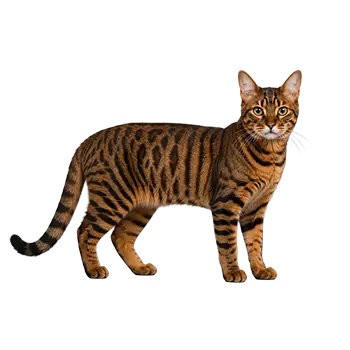

Peak Health Maintenance

The adult Toyger, typically between two and ten years of age, is in its physical prime. This period is characterized by stable body weight, a fully developed muscular frame, and the breed's stunning tiger-striped coat at its most vivid. Maintaining this peak condition requires consistent attention to diet, exercise, veterinary care, and environmental enrichment rather than a set-it-and-forget-it approach.

Annual wellness examinations are the cornerstone of preventive health during the prime years. A thorough checkup includes a full physical examination, dental assessment, and discussion of any subtle behavioral or physical changes the owner has noticed. Baseline blood work performed during early adulthood provides reference values that make it easier to detect deviations as the cat ages.

Vaccination boosters should follow the schedule recommended by your veterinarian, with core vaccines typically administered every one to three years depending on the cat's lifestyle and risk factors. Indoor-only Toygers may require fewer boosters than those with outdoor or cattery exposure, but core protection should never be neglected entirely.

Parasite prevention remains important throughout adulthood. Year-round flea, tick, and intestinal parasite control protects not only the cat but also human family members, particularly in households with young children. The specific products and schedule should be tailored to the Toyger's lifestyle and geographic region in consultation with a veterinarian.

Nutrition at Maturity

Once the Toyger reaches full physical maturity around two years of age, nutritional needs shift from growth support to weight maintenance and long-term health preservation. Transitioning from kitten food to a high-quality adult formula ensures the cat receives appropriate caloric density without the excess that can lead to obesity, a common concern in neutered indoor cats.

Portion control is essential for the adult Toyger. The breed's muscular build can mask gradual weight gain, so regular body condition scoring and monthly weigh-ins provide a more accurate picture than visual assessment alone. An ideal body condition shows ribs that are easily felt but not prominently visible, a discernible waist when viewed from above, and a minimal abdominal fat pad.

Wet food offers hydration benefits that dry kibble alone cannot match, and many veterinary nutritionists recommend incorporating canned or fresh food into the diet to support urinary tract health. A combination of wet and dry feeding provides textural variety and helps maintain dental health through the mechanical action of chewing kibble.

Treats should constitute no more than ten percent of daily caloric intake. While Toygers are highly food-motivated, which makes treats effective training tools, excessive treat consumption displaces balanced nutrition and contributes to weight gain. Selecting treats that serve a functional purpose, such as dental chews or freeze-dried protein, maximizes their value within the overall diet.

Exercise & Fitness

The adult Toyger retains much of the playful energy that characterizes the breed's adolescence, and regular exercise is vital for maintaining muscle tone, joint health, and mental well-being. A sedentary indoor lifestyle without structured activity can lead to obesity, boredom-related behavioral problems, and a decline in the breed's characteristically athletic physique.

Daily interactive play remains important, with sessions of 15 to 20 minutes at least twice a day serving as a minimum target. The Toyger's strong prey drive responds well to wand toys, laser pointers used responsibly with a tangible reward at the end, and motorized toys that simulate erratic prey movement. Varying the type and pace of play keeps the cat mentally engaged and physically challenged.

Environmental enrichment through vertical space is particularly beneficial for this breed. Tall cat trees, wall-mounted climbing shelves, and elevated walkways allow the Toyger to exercise its climbing instincts and survey its territory from above. Window perches positioned near outdoor activity provide hours of passive entertainment that supplements active play sessions.

For owners who have harness-trained their Toyger during kittenhood, regular outdoor walks continue to provide unmatched sensory stimulation during adulthood. Even short supervised excursions introduce novel scents, sounds, and textures that enrich the cat's daily experience. A secure catio remains the safest option for extended outdoor access without the risks associated with free roaming.

Preventive Health Care

Proactive health management during the adult years significantly impacts the Toyger's quality of life as it ages. Beyond annual examinations, owners should be attentive to subtle changes in behavior, appetite, water consumption, litter box habits, and activity level that may signal developing health issues before they become clinically obvious.

Hypertrophic cardiomyopathy is a condition that occurs across many cat breeds, and responsible Toyger breeders screen their breeding stock with echocardiograms. Owners of pet Toygers should discuss cardiac screening with their veterinarian, particularly if any family history of heart disease is known. Early detection allows for management strategies that can extend and improve quality of life.

Dental disease is one of the most common health issues in adult cats and is frequently overlooked. Periodontal disease can cause chronic pain, difficulty eating, and systemic infections affecting the heart, kidneys, and liver. Professional dental cleanings as recommended by the veterinarian, combined with at-home dental care such as tooth brushing or dental diets, help preserve oral health throughout the adult years.

Maintaining a current relationship with a veterinarian who knows the individual cat's history is invaluable. Continuity of care allows the veterinarian to detect trends over time, such as gradual weight changes or slowly evolving blood values, that might not appear significant in a single isolated visit but reveal important patterns when tracked longitudinally.

Behavioral Maturity

By two to three years of age, the Toyger's personality is fully established, revealing the stable, affectionate, and sociable temperament the breed is celebrated for. The frenetic energy of adolescence settles into a more balanced rhythm of activity and rest, though Toygers remain notably more playful and engaged than many other breeds well into their adult years.

The mature Toyger typically forms strong bonds with all household members rather than attaching exclusively to a single person. They tend to follow their owners from room to room, participate in household activities with visible interest, and vocalize in soft, conversational tones. This breed's sociability means they do not thrive when left alone for extended periods, and owners who work long hours should consider a feline companion to prevent loneliness and associated stress behaviors.

Territorial behaviors in the neutered or spayed adult are generally minimal but may surface during household changes such as a move, the arrival of a new pet, or rearrangement of furniture. Maintaining consistent routines, preserving access to favored resting spots, and introducing changes gradually helps the Toyger adapt without undue stress.

Enriching the adult Toyger's cognitive environment remains as important as physical exercise. Puzzle feeders, rotating toy selections, clicker training for new tricks, and even supervised exploration of novel environments keep the breed's sharp mind engaged. A mentally stimulated Toyger is a content Toyger, and the investment in enrichment pays dividends in reduced behavioral issues and a deeper human-animal bond.

Dental & Grooming

The Toyger's short, dense coat is relatively low-maintenance compared to longhaired breeds, but regular grooming supports skin health, reduces shedding, and provides an opportunity to check for lumps, parasites, or skin abnormalities. A weekly brushing with a soft-bristle brush or grooming mitt removes loose hair and distributes natural oils, enhancing the coat's distinctive glittery sheen that is a hallmark of the breed.

Bathing is rarely necessary for the Toyger unless the cat has gotten into something messy or has a skin condition that warrants medicated bathing. When baths are needed, using a gentle cat-specific shampoo and ensuring the cat is thoroughly dried afterward prevents chilling and skin irritation. Most Toygers tolerate bathing reasonably well if introduced to the process early and handled calmly.

Nail trimming should be performed every two to three weeks to prevent overgrowth, splitting, and accidental scratching of people or furniture. Using sharp, cat-specific nail clippers and trimming only the transparent tip well above the quick makes the process quick and painless. Pairing nail trims with treats reinforces the positive association established during kittenhood.

Dental care deserves particular emphasis in the adult Toyger's grooming routine. Daily tooth brushing with a feline-specific enzymatic toothpaste is the gold standard, though even a few sessions per week significantly reduce plaque accumulation and the progression of periodontal disease. For cats that resist brushing, dental wipes, water additives, and veterinary-approved dental treats offer supplemental support, though they should not replace professional cleanings when recommended.

Always consult a qualified professional before making any health-related decisions. This content is provided for informational reference only and should not replace professional guidance specific to your animal.