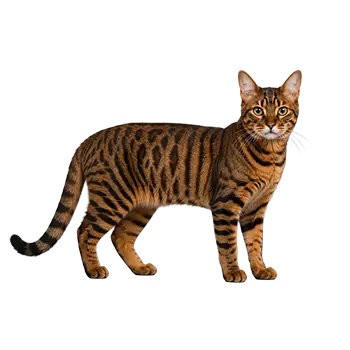

As a Toyger approaches the end of its life, the body communicates through a constellation of changes that, taken together, signal a significant decline in vitality. Recognizing these signs early allows owners to shift from curative care to comfort-focused care, ensuring the cat's remaining time is as peaceful and pain-free as possible.
Decreased appetite and water intake are often among the earliest indicators. A Toyger that once approached mealtime with enthusiasm may begin refusing food entirely or eating only token amounts. Weight loss becomes progressive and visible, with muscle wasting particularly noticeable along the spine and hindquarters. The cat's once-glossy coat may become dull, unkempt, or matted as self-grooming declines.
Withdrawal from social interaction is especially significant in a breed as people-oriented as the Toyger. A cat that previously sought out laps, followed family members through the house, and participated in household activities may begin spending long periods alone in quiet, secluded spots. While some level of increased rest is normal in aging, a pronounced and sustained retreat from companionship often reflects the cat's declining comfort.
Changes in litter box habits, including incontinence, straining, or eliminating outside the box, may indicate organ failure, pain, or cognitive decline. Labored breathing, persistent vocalization, an inability to find a comfortable resting position, and a noticeable lack of interest in surroundings all warrant an honest conversation with your veterinarian about the cat's current quality of life and the trajectory ahead.