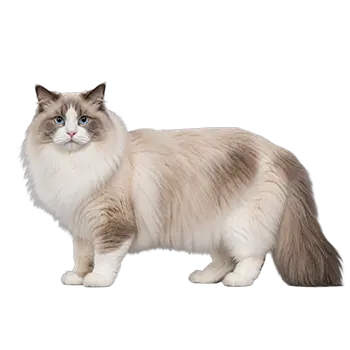

When Does Senior Begin?

Cats are generally considered senior around eleven to fourteen years of age, with the geriatric classification typically beginning around fifteen years and beyond. Ragamuffins, with their average lifespan of twelve to sixteen years, may begin showing age-related changes at varying points depending on genetics, overall health, and the quality of care they have received throughout their lives. The transition into senior status is gradual rather than sudden, and attentive owners often notice subtle shifts before any dramatic changes occur.

The first signs of aging in a Ragamuffin may include a slight decrease in activity level, longer sleep periods, and reduced interest in vigorous play. These changes are normal and reflect the natural slowing of metabolism and the gradual wear on joints and muscles that accompanies advancing years. Some cats may also show slight changes in coat texture or thickness, and their eyes may develop a faint cloudy appearance due to a harmless condition called nuclear sclerosis.

Recognizing when your Ragamuffin has entered its senior years allows you to make proactive adjustments to care, diet, and veterinary scheduling. Shifting from annual to biannual veterinary examinations is one of the most impactful steps you can take, as more frequent monitoring catches age-related conditions earlier when they are most treatable. Your veterinarian can help you establish a senior wellness plan tailored to your individual cat's needs and risk factors.

It is important to distinguish between normal aging and signs of illness. While some slowing is expected, abrupt changes in behavior, appetite, weight, or litter box habits may indicate a medical issue rather than simple aging. A Ragamuffin that has been consistently active and suddenly becomes withdrawn, or an enthusiastic eater that begins refusing food, warrants prompt veterinary evaluation regardless of age.

Mobility & Joint Health

As Ragamuffins age, their large body size can place additional strain on joints and musculoskeletal structures. Arthritis is common in senior cats and may manifest as reluctance to jump to previously favored heights, stiffness after resting, difficulty navigating stairs, or a change in gait. Because cats are adept at masking pain, these signs can be subtle and may be mistaken for laziness or simple preference changes.

Making environmental modifications helps senior Ragamuffins maintain their independence and comfort. Ramps or pet stairs placed near beds, couches, and window perches allow access without the need for painful jumping. Litter boxes with lower entry points reduce the effort required to step inside. Placing food and water bowls at a comfortable height eliminates the need for deep bending, which can be uncomfortable for cats with neck or spinal stiffness.

Your veterinarian can assess your cat's joint health and recommend appropriate interventions. Joint supplements containing glucosamine and chondroitin may support cartilage health, and omega-3 fatty acid supplements can help manage inflammation. In cases of more significant discomfort, prescription pain management options are available that can substantially improve quality of life. Never administer human pain medications to cats, as many common drugs are toxic to felines.

Gentle exercise remains beneficial for senior Ragamuffins, as it helps maintain muscle mass, joint flexibility, and healthy circulation. Short, low-intensity play sessions with ground-level toys encourage movement without overexertion. Warm resting spots, such as heated cat beds or sunny windowsills, provide soothing comfort for stiff joints and are typically much appreciated by older cats.

Cognitive Changes

Cognitive dysfunction syndrome affects a significant percentage of senior cats and can manifest in ways that are initially puzzling to owners. Symptoms include disorientation, changes in sleep-wake cycles, increased vocalization particularly at night, decreased interaction with family members, and lapses in litter box usage. In Ragamuffins, whose characteristically affectionate and engaged personality makes cognitive decline particularly noticeable, these changes can be concerning for devoted owners.

If your senior Ragamuffin begins exhibiting signs of confusion, such as staring at walls, getting lost in familiar rooms, or seeming to forget where food bowls or litter boxes are located, discuss these observations with your veterinarian. A thorough examination can help rule out medical causes that mimic cognitive decline, including hyperthyroidism, hypertension, pain, and sensory loss. Once other conditions are excluded or managed, a diagnosis of cognitive dysfunction can be explored.

Environmental enrichment plays a role in supporting cognitive health in aging cats. Maintaining a consistent daily routine provides a framework of predictability that helps cognitively impaired cats navigate their world. Night lights in hallways and near litter boxes can reduce nighttime disorientation. Puzzle feeders at an appropriate difficulty level keep the mind engaged without causing frustration, and gentle interactive play continues to provide mental stimulation.

Nutritional support may also benefit cognitive function. Diets enriched with antioxidants, medium-chain triglycerides, and omega-3 fatty acids have shown promise in supporting brain health in aging animals. Your veterinarian can recommend dietary adjustments or supplements appropriate for your cat's specific situation. While cognitive decline cannot be fully reversed, early intervention and environmental support can slow progression and maintain quality of life for as long as possible.

Nutrition for Aging

The nutritional needs of a senior Ragamuffin differ from those of a younger adult. Metabolism slows with age, and activity levels typically decrease, meaning caloric requirements drop even as the need for high-quality protein remains constant or increases. Senior-formulated cat foods address these shifting needs with adjusted calorie density, enhanced protein quality, and added nutrients that support aging organ systems.

Maintaining lean body mass is a priority for senior cats. Muscle wasting, known as sarcopenia, is common in aging felines and contributes to weakness, reduced mobility, and decreased immune function. Feeding a diet with adequate high-quality protein helps preserve muscle tissue and supports immune health. Contrary to outdated advice, protein restriction is not necessary for healthy senior cats and may actually be harmful. Protein should only be restricted under veterinary guidance for cats with specific kidney disease stages.

Hydration becomes increasingly important as cats age, since kidney function naturally declines over time and dehydration accelerates renal damage. Encouraging water intake through fountains, multiple water stations, and increased reliance on wet food helps protect kidney health. Some owners add a small amount of warm water to wet food to further boost fluid intake, which most cats accept readily.

Appetite changes are common in senior cats and can stem from a variety of causes including dental pain, decreased sense of smell, nausea, or underlying illness. If your Ragamuffin's appetite decreases, warming food slightly can enhance its aroma and palatability. Offering smaller, more frequent meals may also help. Significant or sustained appetite loss always warrants veterinary investigation, as it can signal treatable conditions that, if addressed, restore both appetite and overall well-being.

Increased Veterinary Care

Biannual veterinary visits become the standard of care once your Ragamuffin enters its senior years. These more frequent examinations allow your veterinarian to track trends in weight, blood values, and physical condition over shorter intervals, making it easier to detect subtle changes that might be missed with annual visits alone. Each visit typically includes a comprehensive physical examination, blood chemistry panel, complete blood count, urinalysis, and thyroid level assessment.

Chronic kidney disease is one of the most common conditions affecting senior cats and is particularly important to monitor in aging Ragamuffins. Early-stage kidney disease is often manageable with dietary modifications, hydration support, and medications that slow disease progression. Regular screening allows detection at a stage when interventions are most effective, well before symptoms such as increased thirst, weight loss, and vomiting become apparent.

Hyperthyroidism is another prevalent condition in older cats, caused by an overactive thyroid gland that accelerates metabolism and can lead to weight loss, increased appetite, hyperactivity, and cardiac complications. Blood tests measuring thyroid hormone levels are a routine component of senior wellness panels. Treatment options include medication, dietary management, radioactive iodine therapy, and surgery, and your veterinarian can help determine the best approach for your cat.

Dental health deserves continued attention in senior cats, as years of plaque accumulation can lead to significant periodontal disease, tooth resorption, and oral pain that affects eating and quality of life. Senior cats may require more frequent dental cleanings, and extraction of damaged teeth, while it may sound concerning, often provides dramatic relief from chronic pain. Pre-anesthetic blood work and careful monitoring make dental procedures safe for the vast majority of senior cats.

Quality of Life Assessment

As your Ragamuffin moves through its senior and geriatric years, periodically assessing quality of life helps ensure that your cat's days remain comfortable and meaningful. Quality of life encompasses physical comfort, emotional well-being, the ability to engage in normal behaviors, and the overall balance between good days and difficult ones. While this assessment can feel uncomfortable, approaching it with honesty and compassion serves your cat's best interests.

Several frameworks exist to help owners evaluate quality of life in aging pets. Common factors to consider include pain management, appetite and nutrition, hydration, mobility, hygiene, happiness, and the ratio of good days to bad. Tracking these factors in a simple journal or calendar provides an objective record that can reveal trends over time and inform conversations with your veterinarian about care adjustments.

Ragamuffins are deeply bonded to their families, and their emotional well-being is closely tied to social interaction and companionship. A senior Ragamuffin that still seeks out attention, purrs during contact, and shows interest in its surroundings is demonstrating positive quality of life indicators even if physical limitations have increased. Conversely, a cat that consistently withdraws, stops grooming, or no longer responds to interaction may be communicating that its comfort needs are not being met.

Open communication with your veterinarian is essential during this period. Discuss your observations, concerns, and goals for your cat's care honestly. Your veterinarian can offer perspective on what is treatable, what constitutes normal aging, and when interventions are likely to improve comfort versus merely prolonging decline. Together, you can create a care plan that honors your Ragamuffin's dignity and ensures that its senior years are as comfortable and enriching as possible.

Always consult a qualified professional before making any health-related decisions. This content is provided for informational reference only and should not replace professional guidance specific to your animal.