
Peak Health Maintenance

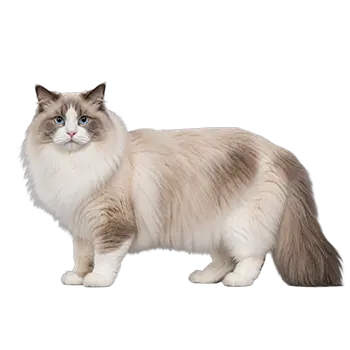
Once a Ragamuffin reaches full physical maturity around four years of age, the focus of care shifts from supporting growth to maintaining peak condition. Adult Ragamuffins are robust, sturdy cats with broad chests, solid bone structure, and a characteristically plush coat that reflects their overall health. Keeping your cat at its best requires attention to weight management, consistent veterinary care, and an environment that meets both physical and emotional needs.

Annual wellness examinations are the cornerstone of preventive health for adult Ragamuffins. During these visits, your veterinarian will assess body condition, listen for heart murmurs, check dental health, and screen for common feline conditions. Blood panels and urinalysis can catch early signs of kidney disease, diabetes, or thyroid imbalance before symptoms become apparent. Staying current on vaccinations and parasite prevention rounds out the preventive care schedule.

Ragamuffins are generally a healthy breed, but they can be predisposed to certain conditions including hypertrophic cardiomyopathy and polycystic kidney disease. Responsible breeders screen for these conditions, but ongoing monitoring throughout adulthood remains important. Discuss appropriate screening intervals with your veterinarian, particularly if your cat's breeding history or genetic background is unknown.

At home, familiarize yourself with your cat's normal behavior, appetite, litter box habits, and energy level. Changes in any of these areas can be early indicators of illness. Cats are masters at hiding discomfort, so subtle shifts such as drinking more water, sleeping in unusual locations, or reducing grooming activity deserve attention even if they seem minor.

Nutrition at Maturity

Transitioning from kitten food to an adult maintenance formula is typically appropriate once a Ragamuffin has reached its full frame size, which for this breed may not occur until three to four years of age. Adult cat food is formulated with lower calorie density and adjusted protein and fat ratios that match the reduced energy demands of a fully grown cat. Your veterinarian can help determine the right time to make this switch based on your individual cat's development.

Portion control becomes increasingly important during adulthood. Ragamuffins are large cats, and their size can make it difficult to visually assess whether they are carrying excess weight. A body condition score, which your veterinarian can demonstrate, provides a more objective measure than the scale alone. The ideal adult Ragamuffin should have a discernible waist when viewed from above, and you should be able to feel the ribs without pressing hard through a moderate layer of tissue.

A combination of wet and dry food offers both nutritional and practical benefits. Wet food contributes to hydration and is generally more palatable, while dry food can support dental health through mechanical abrasion. The specific ratio depends on your cat's preferences, health needs, and your veterinarian's recommendations. Regardless of format, choose foods from reputable manufacturers that meet established nutritional standards for adult cats.

Treats should comprise no more than ten percent of your Ragamuffin's daily caloric intake. While it is tempting to indulge such an affectionate and charming companion, excess treats contribute to weight gain and can unbalance an otherwise complete diet. Use treats strategically for training reinforcement or bonding, and consider reserving a small portion of the cat's daily food allowance for use as treats throughout the day.

Exercise & Fitness

Adult Ragamuffins retain a playful streak that, while less frenetic than kittenhood, still requires daily outlets. The breed is not as athletically driven as some high-energy cats, but regular exercise is essential for maintaining healthy weight, muscle tone, and mental sharpness. Two interactive play sessions per day, each lasting ten to twenty minutes, provide a solid foundation of physical activity for most adult Ragamuffins.

Wand toys and feather teasers remain effective tools for engaging adult cats in simulated hunting sequences. Vary the movement patterns to mimic prey behavior, including short bursts of speed, sudden pauses, and erratic direction changes. Ending each session with a successful catch followed by a small treat mirrors the natural hunt-catch-eat cycle and provides emotional satisfaction alongside physical exertion.

Environmental enrichment supplements structured play sessions. Window perches that overlook bird feeders or outdoor activity provide passive entertainment for hours. Rotating toys every few days maintains novelty and prevents boredom. Vertical space remains important for adult Ragamuffins, and cat trees or wall-mounted shelving give these large cats opportunities to climb and survey their domain from comfortable heights.

Some adult Ragamuffins enjoy puzzle feeders and food-dispensing toys that require problem-solving to access their meals. These tools slow eating speed, which can help with weight management, and provide cognitive stimulation that keeps the mind engaged. If your Ragamuffin shows interest in fetch, clicker training, or learning tricks, these activities offer excellent combined physical and mental exercise that also strengthens the bond between cat and owner.

Preventive Health Care

A structured preventive care routine protects your adult Ragamuffin against common threats and catches emerging issues early. Core vaccinations should be maintained on the schedule recommended by your veterinarian, which for indoor cats typically involves boosters every one to three years depending on the vaccine type and your cat's risk profile. Rabies vaccination is required by law in most jurisdictions regardless of whether the cat goes outdoors.

Parasite prevention remains important even for indoor-only Ragamuffins. Fleas, ticks, and intestinal parasites can enter the home on clothing, shoes, and other pets. Monthly preventive treatments tailored to your cat's weight and lifestyle provide reliable protection. Heartworm prevention is recommended in many regions, as the disease is transmitted by mosquitoes that can easily enter homes through open doors and windows.

Dental disease is one of the most common health issues in adult cats, and Ragamuffins are no exception. Plaque and tartar accumulation can lead to gingivitis, periodontal disease, and tooth resorption, all of which cause pain and can affect overall health through chronic bacterial exposure. Regular dental examinations, professional cleanings as recommended by your veterinarian, and at-home dental care routines such as tooth brushing or dental treats help maintain oral health throughout adulthood.

Screening for breed-relevant conditions should continue on a regular basis. Echocardiograms can detect hypertrophic cardiomyopathy, the most common heart disease in cats, which can be present without obvious symptoms. Kidney function panels help monitor for early signs of renal disease. Discussing an appropriate screening schedule with your veterinarian ensures that these assessments occur at the right intervals for your cat's age and risk factors.

Behavioral Maturity

By the time a Ragamuffin reaches full adulthood, its personality is well established, and the breed's signature traits are on full display. Adult Ragamuffins are typically calm, affectionate, and remarkably tolerant, often described as puppy-like in their devotion to their human companions. They tend to follow their favorite people from room to room, greet visitors with curiosity rather than suspicion, and seek out physical contact throughout the day.

While behavioral maturity brings a welcome reduction in adolescent mischief, it does not eliminate the need for mental engagement. A bored Ragamuffin may develop undesirable habits such as excessive vocalization, overgrooming, or attention-seeking behaviors that disrupt household routines. Ensuring that the cat has access to stimulation, companionship, and a predictable daily routine goes a long way toward preventing these issues.

Ragamuffins generally adapt well to multi-pet households and can coexist peacefully with other cats, dogs, and even smaller animals when properly introduced. Their easygoing nature makes them particularly well suited to families with children, as they tend to tolerate handling and noise with remarkable patience. However, every cat deserves a quiet retreat where it can rest undisturbed, and providing such a space is especially important in busy households.

Stress management is an often-underappreciated aspect of feline behavioral health. Changes in routine, household composition, or environment can affect even the most adaptable cat. Moving to a new home, introducing a new pet or family member, or changes in work schedules can trigger stress responses such as hiding, appetite changes, or litter box avoidance. Maintaining stability where possible and introducing changes gradually helps your Ragamuffin navigate transitions with minimal distress.

Dental & Grooming

The Ragamuffin's plush, semi-long coat is one of its most distinctive features, and maintaining it in good condition requires regular grooming throughout adulthood. Unlike some long-haired breeds, the Ragamuffin's coat is noted for its resistance to matting, thanks to its silky texture. However, this does not eliminate the need for routine care. Brushing two to three times per week removes loose hair, distributes natural oils, and provides an opportunity to check for skin issues, parasites, or lumps.

A stainless steel comb and a slicker brush are effective tools for the Ragamuffin coat. Pay particular attention to areas prone to tangles, including behind the ears, under the armpits, and along the hindquarters. If you encounter a mat, work it apart gently with the comb rather than pulling, which can cause pain and make the cat resistant to future grooming sessions. Regular grooming also significantly reduces hairballs, which can be a concern with longer-coated cats.

Nail trimming should occur every two to three weeks, or as needed based on how quickly your cat's nails grow and how much natural wear they receive from scratching posts. Keeping nails at an appropriate length prevents overgrowth, snagging on fabrics, and accidental scratches during handling. If you are uncomfortable trimming nails yourself, your veterinarian or a professional groomer can perform this service.

Ear cleaning, eye wiping, and dental care complete the grooming routine. Check ears weekly for wax buildup or signs of infection such as redness, odor, or head shaking. Gently wipe the outer ear with a soft cloth or veterinarian-approved ear cleaner. For dental care, daily tooth brushing with an enzymatic toothpaste formulated for cats is the gold standard, though even a few sessions per week provides meaningful benefit. Dental treats and water additives can supplement brushing but should not replace it entirely.

Always consult a qualified professional before making any health-related decisions. This content is provided for informational reference only and should not replace professional guidance specific to your animal.