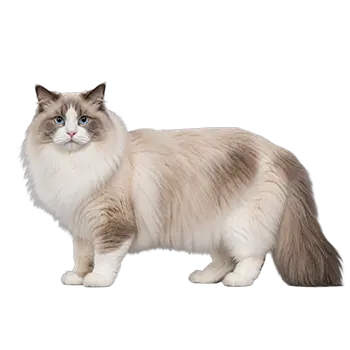

Growth & Physical Development

Ragamuffins are a slow-maturing breed, and their juvenile period reflects this extended growth timeline. While many domestic cats reach their adult size by twelve months, Ragamuffins continue to grow and fill out until they are approximately four years old. During the juvenile stage, which spans roughly three months to one year of age, kittens undergo dramatic changes in size, musculature, and coat development that set the stage for their impressive adult physique.

At three months, a Ragamuffin kitten typically weighs between three and five pounds, depending on sex and individual genetics. Males tend to be noticeably larger than females even at this young age. By six months, most kittens have doubled or tripled their three-month weight, and their lanky, somewhat awkward proportions begin to hint at the broad chest and substantial bone structure characteristic of the breed. Growth spurts can be irregular, with periods of rapid gain followed by brief plateaus.

The Ragamuffin's signature coat undergoes its own transformation during this period. Kitten fur, which is often shorter and finer, gradually gives way to the breed's hallmark semi-long, plush texture. Color and pattern may continue to develop and deepen well into the first year. Some Ragamuffins experience a somewhat scruffy adolescent coat phase before their adult fur comes in fully, which is entirely normal and not a cause for concern.

Regular weight monitoring remains important during the juvenile period, though daily weigh-ins can transition to weekly checks. Your veterinarian can help you assess whether your kitten's growth trajectory is healthy and appropriate. Because Ragamuffins are naturally large cats, it can sometimes be difficult to distinguish healthy growth from excessive weight gain, making professional guidance particularly valuable during this developmental window.

Nutrition & Diet Transition

The transition from mother's milk to solid food begins around four weeks of age and is typically complete by eight to ten weeks. During this weaning process, kittens are introduced to a gruel made from high-quality kitten food mixed with warm water or kitten milk replacer. Over the course of several weeks, the mixture is gradually thickened until kittens are eating moistened solid food and eventually dry kibble alongside wet food.

Once fully weaned, juvenile Ragamuffins should be fed a diet specifically formulated for kittens, which provides the higher protein, fat, and calorie content needed to fuel their rapid growth. Given the breed's large size and extended growth period, maintaining a kitten-formula diet through at least the first twelve months is generally recommended. Some veterinarians suggest continuing kitten food even longer for breeds that mature as slowly as the Ragamuffin.

Feeding schedules during the juvenile period typically involve three to four meals per day for kittens under six months, transitioning to two to three meals daily as they approach their first birthday. Free feeding dry kibble is an option for some households, but it requires careful monitoring to prevent overconsumption. Ragamuffins are not typically prone to extreme food motivation, but establishing healthy eating habits early helps prevent obesity as the cat matures and its metabolism slows.

Fresh, clean water should be available at all times. Many cats prefer running water, and a pet fountain can encourage adequate hydration, which supports kidney function and overall health. Avoid offering table scraps, raw diets without veterinary guidance, or foods that are toxic to cats such as onions, garlic, chocolate, and grapes. If you plan to change food brands or formulations, do so gradually over seven to ten days to avoid digestive upset.

Behavioral Changes

The juvenile period is when your Ragamuffin's personality begins to shine through in earnest. The breed's characteristic docility and affection are evident even in young kittens, but adolescence introduces new dimensions including increased curiosity, bursts of high energy, and a growing desire for interactive play. Ragamuffin kittens tend to be less hyperactive than some other breeds, but they are still playful and inquisitive, and they benefit enormously from an enriched environment.

Around four to six months of age, many kittens go through a phase of testing boundaries. This may manifest as exploring forbidden surfaces, scratching furniture, or engaging in rougher play than usual. While Ragamuffins are generally easygoing, they are still cats navigating adolescence, and gentle, consistent redirection is far more effective than punishment. Providing appropriate outlets for natural behaviors, such as scratching posts and interactive toys, channels their energy constructively.

Social development continues to deepen during this stage. Ragamuffins are known for forming strong bonds with their human families, and juvenile cats often begin to display clear preferences for certain people, resting spots, and routines. They may follow household members from room to room, seek out laps, or vocalize to request attention. This attachment behavior is a hallmark of the breed and typically strengthens as the cat matures.

If your household includes other pets, the juvenile period is an important time for reinforcing positive interspecies relationships. Ragamuffins generally coexist well with other cats and cat-friendly dogs, but adolescent energy and playfulness can sometimes overwhelm older or more reserved animals. Supervised interactions and ensuring that each pet has access to its own resources, such as food bowls, litter boxes, and resting areas, help maintain household harmony.

Training Priorities

Ragamuffins are intelligent and eager to please, making them more receptive to training than many cat breeds. The juvenile period is the ideal time to establish routines and teach basic behaviors that will serve both cat and owner well throughout the cat's life. Litter box training is usually straightforward with Ragamuffins, as most kittens learn from observing their mother, but consistency in box placement, cleanliness, and litter type helps prevent any missteps.

Scratching behavior should be directed toward appropriate surfaces from the start. Place sturdy scratching posts in areas where the kitten spends the most time, and encourage their use with toys or catnip. When the kitten scratches an inappropriate surface, calmly redirect it to the post rather than scolding. Ragamuffins respond best to positive reinforcement, and food treats, verbal praise, or play sessions are effective rewards for desired behavior.

Carrier training is an often-overlooked priority that pays dividends for years. Leave the carrier out in the home with comfortable bedding inside so the kitten views it as a safe resting spot rather than a signal of an impending stressful event. Periodically close the door briefly and reward calm behavior. A cat that enters its carrier willingly makes veterinary visits, travel, and emergencies far less stressful for everyone involved.

Grooming routines should also be established during this period. Ragamuffins have plush, semi-long coats that require regular brushing to prevent matting and reduce shedding. Getting a kitten accustomed to being brushed, having its paws handled, and tolerating nail trims while it is young makes these tasks routine rather than adversarial. Begin with short, gentle sessions and gradually increase duration as the kitten grows comfortable with the process.

Exercise & Activity

Juvenile Ragamuffins have moderate energy levels compared to more athletic breeds, but they still need regular play and physical activity to support healthy development. Interactive play sessions using wand toys, feather teasers, and small balls encourage natural hunting behaviors and provide both physical exercise and mental stimulation. Two or three dedicated play sessions of fifteen to twenty minutes each day are generally sufficient for most growing Ragamuffins.

Climbing and vertical space are important components of a cat-friendly environment. Cat trees, shelving, and window perches allow kittens to climb, jump, and survey their territory from elevated vantage points. Because Ragamuffins are large cats, invest in sturdy structures rated for heavier weights to ensure safety as your kitten grows. A toppling cat tree can injure a cat and create lasting fear of climbing.

Puzzle feeders and treat-dispensing toys add a cognitive dimension to activity time. These tools require the kitten to problem-solve in order to access food, which engages their intelligence and slows eating speed. Ragamuffins tend to enjoy these challenges, and rotating different puzzle types keeps the experience fresh and stimulating.

While Ragamuffins are generally content as indoor cats, some owners choose to provide supervised outdoor access through enclosed catios or leash training. If you wish to leash-train your Ragamuffin, the juvenile period is the best time to begin. Use a properly fitted harness rather than a collar, introduce it indoors first, and allow the kitten to set the pace. Not every cat takes to leash walking, but Ragamuffins' adaptable temperament gives them a better chance than many breeds.

Spay/Neuter Considerations

The decision of when to spay or neuter a Ragamuffin kitten is best made in consultation with your veterinarian, taking into account the individual cat's health, weight, and development. Many veterinarians recommend spaying or neutering between four and six months of age, before the onset of sexual maturity, which typically occurs around five to nine months in cats. Some breeders include spay/neuter requirements in their sales contracts for kittens placed as pets.

Spaying a female Ragamuffin eliminates the risk of uterine infections and significantly reduces the risk of mammary tumors, especially when performed before the first heat cycle. It also prevents the behavioral disruptions associated with estrus, including increased vocalization, restlessness, and attempts to escape outdoors. For male Ragamuffins, neutering reduces territorial spraying, roaming behavior, and aggression toward other cats.

Modern surgical techniques make spaying and neutering routine, low-risk procedures with quick recovery times. Most kittens return to normal activity within a few days, though your veterinarian will provide specific instructions regarding activity restriction, incision monitoring, and follow-up care. An Elizabethan collar or surgical recovery suit may be recommended to prevent the kitten from licking or chewing at the incision site.

After spaying or neutering, metabolic changes may predispose your Ragamuffin to weight gain. Adjusting food portions and maintaining regular play sessions help counteract this tendency. Your veterinarian can advise on appropriate caloric intake for your cat's age, size, and activity level. The health and behavioral benefits of spaying or neutering far outweigh the manageable adjustment in feeding practices.

Socialization & Exposure

While the primary socialization window closes around seven to nine weeks, the juvenile period offers continued opportunities to broaden your Ragamuffin's comfort zone. Exposure to a variety of people, including visitors of different ages, genders, and appearances, reinforces the breed's naturally social disposition. Encourage gentle interactions and allow the kitten to approach new people at its own pace rather than forcing contact.

Household sounds and activities that may initially startle a young kitten become routine through gradual, positive exposure. Vacuum cleaners, blenders, televisions, and doorbells are common sources of temporary alarm. Pairing these sounds with treats or play helps the kitten form positive associations. Ragamuffins are generally adaptable and recover quickly from mild startles, but patience is important if an individual kitten is particularly cautious.

Introducing the kitten to routine handling beyond basic petting prepares it for grooming, veterinary examinations, and potential travel. Practice opening the mouth gently, examining ears, touching paw pads, and lightly restraining the kitten for brief periods. Reward cooperation with treats and keep sessions short enough that the experience remains positive. These exercises build a cat that tolerates necessary handling with minimal stress.

If your Ragamuffin will share its home with children, supervised interactions during the juvenile period are especially valuable. Teach children to handle the kitten gently, avoid pulling on ears or tail, and recognize signs that the kitten wants to be left alone. Ragamuffins are exceptionally tolerant of children, but even the most patient kitten deserves respectful treatment. Building mutual understanding between child and kitten during this formative stage creates a safe, loving relationship that benefits everyone in the household.

Always consult a qualified professional before making any health-related decisions. This content is provided for informational reference only and should not replace professional guidance specific to your animal.