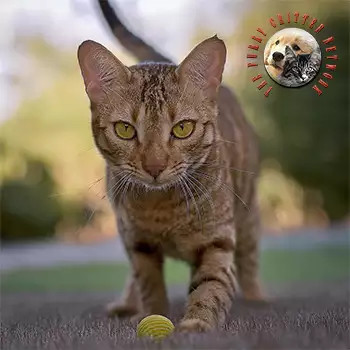

Ocicats are generally considered to enter the senior phase of life around ten to twelve years of age, though the breed's robust constitution means many individuals remain remarkably active and healthy well into their teens. The transition from mature adult to senior is rarely a sudden event. Instead, it unfolds gradually through subtle shifts in energy level, sleep patterns, and physical resilience that observant owners begin to notice over time.
Veterinary organizations typically classify cats as senior between eleven and fourteen years and geriatric at fifteen years and older. However, biological age does not always align neatly with calendar age. An Ocicat that has enjoyed excellent nutrition, regular veterinary care, and an enriching lifestyle may show fewer signs of aging at thirteen than a less well-maintained cat at ten. Genetics also play a significant role, and the breed's generally sound health contributes to longevity.
The key to managing the senior transition successfully is recognizing that changes are happening and adapting care accordingly. This does not mean wrapping your Ocicat in cotton wool or treating it as fragile. Many senior Ocicats continue to play, climb, and engage enthusiastically with life. The goal is to support continued vitality while addressing the emerging needs that aging brings.
Once your Ocicat reaches the senior threshold, discuss an age-appropriate care plan with your veterinarian. This plan should include more frequent health screenings, dietary adjustments, and strategies for managing any chronic conditions that may develop. Early intervention and proactive management make a meaningful difference in the quality and length of a senior cat's remaining years.