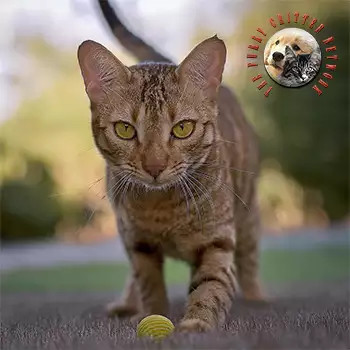

The adult years for an Ocicat, generally spanning from around two to ten years of age, represent the breed at its peak. These cats are fully grown, their musculature is well defined, and their spotted coats carry the rich, satiny sheen that makes the breed so visually striking. Maintaining this level of health requires consistent attention to the fundamentals of feline care, tailored to the specific needs of this active and social breed.
Annual veterinary examinations are the cornerstone of preventive health during the adult years. A comprehensive check should include a full physical examination, dental assessment, weight evaluation, and discussion of any behavioral changes. Blood work and urinalysis every one to two years help establish baseline values and can detect early signs of kidney disease, diabetes, or thyroid dysfunction before symptoms become apparent.
Keep vaccinations current according to your veterinarian's recommended schedule. Core vaccines typically require boosters at regular intervals, while non-core vaccines are administered based on risk assessment. Parasite prevention, including flea, tick, and intestinal parasite control, should continue year-round regardless of whether the cat goes outdoors, as parasites can enter the home on shoes, clothing, and other pets.
Monitor your Ocicat's weight closely, as even moderate obesity significantly increases the risk of diabetes, joint problems, and urinary issues. An adult Ocicat should have a visible waist when viewed from above and ribs that can be felt without pressing through a thick layer of fat. If your cat's weight begins creeping upward, consult your veterinarian about adjusting caloric intake before the problem becomes entrenched.