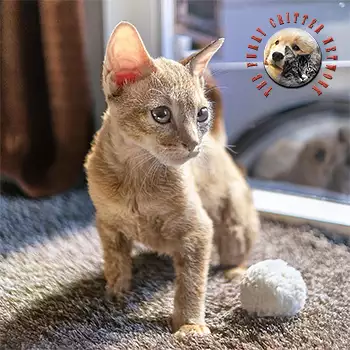

The German Rex is generally considered to enter its senior years around the age of ten, though the transition is gradual and individual cats may show signs of aging earlier or later depending on genetics, overall health, and lifetime care. A breed with an expected lifespan of twelve to fifteen years, the German Rex often maintains its characteristic playfulness and social engagement well into the later stages of life, but the underlying pace of metabolism, organ function, and physical resilience shifts steadily as the years accumulate.
Recognizing the early signs of aging allows you to adapt your care approach before problems become entrenched. Common indicators include a gradual decrease in activity level, longer and more frequent rest periods, reduced interest in vigorous play, subtle changes in coat texture or density, and a slower response to environmental stimuli. These changes are normal aspects of aging and do not necessarily signal disease, but they do warrant closer monitoring and proactive adjustments to diet, environment, and veterinary care.
The distinction between senior and geriatric stages is worth understanding. A senior cat, roughly ten to fourteen years old, may show mild slowing but remains generally healthy and functional. A geriatric cat, typically fifteen years and older, faces a higher burden of age-related disease and functional decline. Care strategies should evolve accordingly, with increasing attention to comfort, pain management, and quality-of-life assessment as the cat moves deeper into its later years.
One of the most important things you can do for your aging German Rex is to maintain a consistent daily routine. Senior cats derive security from predictability, and abrupt changes to feeding schedules, household arrangements, or social dynamics can cause stress that compounds the challenges of aging. When changes are necessary, introduce them gradually and provide extra reassurance during the transition period.