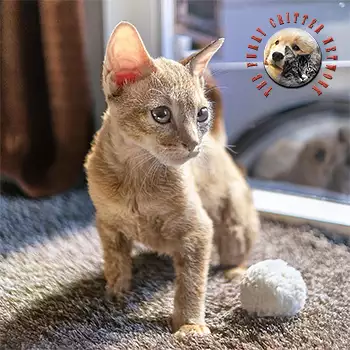

Growth and Physical Development

The juvenile phase of a German Rex spans roughly from two months through twelve months of age, encompassing a period of rapid physical transformation. During this window, kittens transition from small, somewhat clumsy bundles into lean, muscular adolescents with the breed's characteristic medium-sized, well-proportioned frame. Growth rates vary among individuals, but most German Rex kittens gain weight steadily at a rate of roughly 100 grams per week through their fourth month, after which the pace moderates as the skeletal frame lengthens and muscle mass fills in.

One of the most visually distinctive aspects of German Rex development is the maturation of the curly coat. Kittens may go through a phase during adolescence where their coat appears thinner, wavier, or less uniform than it will be in adulthood. This is entirely normal and reflects the transition from kitten fur to the mature adult coat. The soft, plush texture and well-defined waves that define the breed standard typically settle into their final form between eight and twelve months, though some individuals continue to develop fuller curl patterns into their second year.

Bone growth plates in cats generally close between nine and twelve months of age, marking the end of major skeletal development. German Rex cats reach their adult height and length during this period, though they may continue to add subtle muscle mass and body condition well into their second year. Monitoring weight gain through monthly weigh-ins helps distinguish healthy growth from excess weight, which can be harder to assess visually in a breed with a fine, close-lying coat that does not obscure body contours the way a long or dense coat might.

Dental development also progresses significantly during the juvenile period. Deciduous teeth begin falling out and are replaced by permanent adult teeth between three and a half and six months of age. You may find tiny teeth around the home or notice them in food bowls. Some kittens experience mild discomfort during teething and may chew on objects more frequently. Providing appropriate chew toys and monitoring for retained baby teeth, which can cause crowding and alignment issues if they do not shed on schedule, are important aspects of care during this phase.

Nutrition for the Growing Juvenile

A German Rex kitten in its juvenile months has demanding nutritional needs driven by rapid growth, high activity levels, and an elevated metabolic rate. High-quality commercial kitten food, formulated to meet the elevated protein, fat, and mineral requirements of growing cats, should remain the dietary foundation until approximately twelve months of age. Look for products that list a named animal protein as the first ingredient and meet the nutritional profiles established by the Association of American Feed Control Officials for growth and reproduction.

Feeding frequency should transition gradually from four meals per day at two months of age to three meals by four months and two meals by six to eight months. Free feeding, or leaving food available at all times, is generally not recommended for German Rex kittens because the breed's enthusiastic appetite and active nature can sometimes lead to overeating when unrestricted food is available. Measured meals at consistent times help establish a routine and make it easier to monitor intake, which in turn allows you to detect appetite changes that might signal illness.

Fresh water should be available at all times, and many German Rex cats show a preference for running water sources such as pet drinking fountains. Adequate hydration supports kidney function, digestion, and overall metabolic health. If your kitten is eating exclusively dry kibble, pay particular attention to water intake, as cats evolved as desert-adapted predators and often have a low thirst drive relative to their actual hydration needs. Incorporating some wet food into the diet is a practical way to increase total fluid consumption.

Avoid supplementing a nutritionally complete kitten food with additional vitamins or minerals unless specifically directed by your veterinarian. Over-supplementation, particularly of calcium and vitamin D, can disrupt the delicate balance of bone development in growing kittens and lead to skeletal abnormalities. Table scraps, raw diets, and homemade meals introduce additional risks of nutritional imbalance and foodborne pathogens during a life stage when the immune system is still maturing.

Behavioral Development and Training

The juvenile period is a defining chapter in a German Rex's behavioral development. Between two and six months of age, kittens refine the social skills they began acquiring during their time with the litter and extend those lessons to their new human family and household environment. German Rex cats are exceptionally intelligent and people-oriented, traits that make them highly responsive to training but also mean they need consistent mental engagement to remain well-adjusted.

Litter box habits are usually well established by the time a German Rex kitten arrives in its new home at twelve to fourteen weeks, but the transition to a new environment may cause temporary setbacks. Place the litter box in a quiet, accessible location and show the kitten where it is as soon as it arrives. Use the same type of litter the kitten was accustomed to at the breeder's home if possible, and avoid making changes during the first few weeks while the kitten is adjusting. If accidents occur, clean the area thoroughly with an enzymatic cleaner and reassess the litter box setup rather than punishing the kitten.

German Rex kittens take well to positive reinforcement training. Short sessions using treats, praise, or play as rewards can teach basic responses such as coming when called, sitting, and accepting handling for grooming or veterinary procedures. Clicker training works particularly well with this breed because of their attentiveness to human cues and their food motivation. Keep training sessions to five minutes or less for young kittens, and always end on a successful note to maintain the kitten's enthusiasm.

Play behavior peaks during the juvenile months, and appropriate outlets for this energy are essential. Interactive toys such as wand teasers, ball tracks, and puzzle feeders channel predatory instincts into constructive activity and reduce the likelihood of destructive behaviors born from boredom. German Rex kittens are agile climbers and leapers, so vertical spaces such as cat trees and wall-mounted shelves satisfy their desire to survey their territory from height. Rotating toys regularly maintains novelty and prevents the kitten from losing interest.

Socialization and Environmental Enrichment

Although the most sensitive socialization window closes around seven weeks of age, the juvenile months remain a critically important period for broadening a German Rex kitten's comfort zone. Cats continue to form associations and build confidence through new experiences well into their first year, and the investments you make during this time pay dividends in the form of a relaxed, adaptable adult cat.

Expose your juvenile German Rex to a variety of people, including men, women, children, and visitors wearing hats, glasses, or uniforms. Each interaction should be positive and voluntary — allow the kitten to approach on its own terms rather than forcing contact. If the kitten retreats, respect its boundaries and try again later. German Rex cats are naturally sociable, but individual kittens may vary in their initial boldness, and patience is more effective than pressure in building lasting confidence.

Introduce the kitten to as many normal household experiences as possible during this stage. Carrier training is particularly valuable: leave the carrier open in a common area with a soft blanket inside, occasionally placing treats or toys within it so the kitten builds a positive association with the space. A kitten that views its carrier as a safe resting spot rather than a threat will be far easier to transport for veterinary visits, travel, and emergencies throughout its life. Short car rides to non-stressful destinations can further desensitize the kitten to vehicular travel.

If your household includes other pets, manage introductions carefully using scent swapping, visual barriers, and supervised face-to-face meetings. German Rex cats generally get along well with other cats and with cat-friendly dogs, but successful multi-pet integration depends on gradual, low-pressure introductions rather than sudden immersion. Provide each animal with its own resources — food bowls, water stations, litter boxes, and resting spots — to minimize competition and territorial tension during the adjustment period.

Veterinary Milestones and Preventive Care

The juvenile months are packed with important veterinary checkpoints that establish the foundation of lifelong health. Core vaccinations, typically initiated between six and eight weeks of age, continue with booster doses at three- to four-week intervals until the kitten is approximately sixteen weeks old. The standard core series protects against feline panleukopenia, calicivirus, and rhinotracheitis. Your veterinarian may also recommend the rabies vaccine, which is required by law in many jurisdictions, and may discuss non-core vaccines such as feline leukemia virus based on your kitten's lifestyle and risk profile.

Spaying or neutering is one of the most significant veterinary decisions of the juvenile period. Most veterinarians recommend the procedure between four and six months of age, before the onset of sexual maturity. Early sterilization eliminates the risk of unwanted pregnancies, reduces the incidence of certain reproductive cancers, and prevents hormonally driven behaviors such as spraying, yowling, and roaming. German Rex cats not intended for a carefully managed breeding program should be sterilized in accordance with your veterinarian's recommended timeline.

Parasite prevention should be maintained consistently throughout the juvenile months and beyond. Intestinal deworming continues on a schedule established during the neonatal period, and your veterinarian will transition the kitten to a regular preventive protocol for both internal and external parasites. Flea prevention is important even for indoor cats, as fleas can enter homes on clothing, other pets, or through screened windows. Discuss appropriate flea, tick, and heartworm preventives with your veterinarian, as not all products are safe for kittens at every age.

A baseline health screening at around six months of age provides a useful reference point as the kitten approaches adulthood. This visit typically includes a physical examination, fecal parasite check, and discussion of dental health and body condition. If your German Rex comes from a breeder who conducts genetic testing, review the results with your veterinarian to determine whether any breed-relevant monitoring should be incorporated into the kitten's ongoing care plan.

Grooming and Coat Care

The German Rex's distinctive curly coat requires a grooming approach tailored to its unique texture. Unlike breeds with dense, straight coats that benefit from regular brushing to remove loose undercoat, the German Rex has a fine, wavy coat with minimal undercoat, and excessive brushing can actually damage the delicate curl structure or cause breakage. A soft-bristled brush or a grooming glove used once a week is generally sufficient to remove loose hairs and distribute natural skin oils that keep the coat healthy and lustrous.

Bathing is rarely necessary for German Rex cats, but when it is required, use a gentle, cat-specific shampoo and rinse thoroughly. The fine coat dries more quickly than denser coats, but the reduced insulation means the cat should be kept in a warm, draft-free area until completely dry. Some German Rex owners find that their cats produce slightly more skin oil than breeds with thicker coats, which may occasionally require a bath to prevent a greasy feel to the fur. If this is the case with your kitten, establish a bathing routine early so the cat grows accustomed to the process.

Nail trimming should begin during the juvenile months so the kitten becomes comfortable with paw handling. Trim the tips of the nails every two to three weeks using a sharp, cat-sized nail clipper. Take only the transparent tip of each nail, avoiding the pink quick, which contains blood vessels and nerves. If your kitten resists nail trimming, work on desensitization by handling its paws regularly during relaxed moments, offering treats during and after sessions, and trimming only one or two nails at a time until the kitten accepts the routine.

Ear care deserves regular attention, as some rex-coated breeds can accumulate ear wax or debris more noticeably due to the sparse hair inside the ear canal. Check the ears weekly for signs of excess wax, redness, odor, or discharge. Clean only the visible outer portions of the ear using a veterinarian-recommended ear cleaning solution and a soft cotton pad. Never insert cotton swabs or any instrument into the ear canal, as this risks pushing debris deeper or injuring the delicate ear structures. Dental care should also begin early, ideally in the form of daily tooth brushing with a cat-safe enzymatic toothpaste and a small finger brush.

Preparing for Adulthood

As a German Rex approaches twelve months of age, the frenetic energy of kittenhood gradually gives way to a calmer, more settled demeanor, though this breed retains a playful, curious nature well into maturity. The transition from kitten food to adult-formulated food should occur around the one-year mark, guided by your veterinarian's assessment of your cat's body condition and growth trajectory. Switch foods gradually over seven to ten days, mixing increasing proportions of the new food with decreasing amounts of the kitten formula to minimize digestive upset.

By this age, most behavioral patterns are well established. A German Rex that has been properly socialized, trained, and enriched during its juvenile months will typically settle into a reliable routine of activity, rest, and social interaction. If any behavioral concerns have emerged during adolescence — such as inappropriate elimination, excessive vocalization, or aggression toward people or other pets — address them now with the guidance of your veterinarian or a certified animal behaviorist before they become entrenched habits.

Establish the annual veterinary care routine that will carry your German Rex through its adult years. This includes yearly wellness examinations, vaccine boosters as recommended by your veterinarian, dental assessments, and parasite prevention reviews. An annual blood panel beginning at one year provides baseline values for kidney function, liver enzymes, blood glucose, and thyroid levels that will become increasingly valuable as your cat ages and comparative data helps detect subtle changes early.

Finally, evaluate your home environment from an enrichment perspective. A German Rex thriving in adolescence needs those same outlets sustained into adulthood: vertical spaces for climbing, interactive toys rotated for novelty, window perches for visual stimulation, and dedicated daily play sessions with their human companions. This breed forms strong bonds with its family and does not do well with prolonged isolation. If your household schedule requires long absences, consider whether a compatible feline companion might benefit your German Rex's social and emotional well-being in the years ahead.

Always consult a qualified professional before making any health-related decisions. This content is provided for informational reference only and should not replace professional guidance specific to your animal.