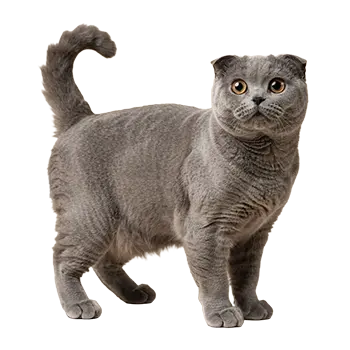

Recognizing the Senior Transition

The Foldex is generally considered a senior cat beginning around ten to eleven years of age, though the onset of age-related changes varies among individuals. Some Foldex cats maintain youthful energy and appearance well into their teens, while others begin showing subtle signs of aging earlier, particularly if cartilage-related joint changes have progressed. Understanding the distinction between normal aging and emerging disease is essential for providing appropriate care during this transitional period.

Early signs of aging in the Foldex are often behavioral rather than physical. You may notice a gradual decline in the frequency or intensity of play, increased time spent sleeping, a preference for lower resting spots rather than elevated perches, and a tendency to seek warm surfaces more consistently. These changes are normal to a degree, but they should be evaluated in context. A Foldex that suddenly stops jumping onto a favorite windowsill may be experiencing joint discomfort rather than simply slowing down, and the distinction matters for treatment.

Physical changes become more apparent as the cat moves deeper into its senior years. Muscle mass may decrease, particularly along the spine and hindquarters, while body fat distribution shifts. The coat may lose some of its density or develop a slightly coarser texture. Some senior Foldex cats experience a gradual change in eye clarity, though this is typically age-related nuclear sclerosis rather than vision-threatening cataracts. The large, expressive eyes that define the breed make even minor ocular changes noticeable to an attentive owner.

Transitioning your veterinary care schedule to biannual examinations is one of the most impactful steps you can take as your Foldex enters its senior years. Cats age roughly four to five human years for every calendar year after age two, meaning that a single annual visit spans the equivalent of several human years during which disease can develop and progress undetected. Twice-yearly exams allow for earlier identification of common senior conditions including chronic kidney disease, hyperthyroidism, diabetes, and dental deterioration.

Senior Nutrition & Hydration

Nutritional needs shift as the Foldex ages. Senior cats often experience a decline in digestive efficiency, meaning they may absorb fewer nutrients from the same volume of food they consumed comfortably as adults. At the same time, metabolic rate decreases and activity levels drop, creating a narrower caloric window between adequate nutrition and excess weight. A high-quality senior cat food formulated with highly digestible protein, controlled phosphorus levels, and appropriate caloric density addresses these competing demands.

Protein remains essential for the senior Foldex. Older cats are prone to sarcopenia, the age-related loss of lean muscle mass, and adequate dietary protein helps preserve muscle tissue. Choose a senior diet that provides protein primarily from animal sources and at a level that supports muscle maintenance without overburdening the kidneys. If blood work reveals early renal changes, your veterinarian may recommend a diet with moderately reduced but high-quality protein and restricted phosphorus to slow progression.

Hydration becomes increasingly critical with age, as kidney function naturally declines and the cat's ability to concentrate urine diminishes. Wet food should form a substantial proportion of the senior Foldex's diet, as it delivers significantly more moisture per meal than dry kibble. Offer water in multiple locations throughout the home and consider adding a second water fountain if the cat is drinking less than expected. Some senior cats prefer slightly warmed water, which can encourage intake during cooler months.

Appetite fluctuations are common in senior cats and should not be dismissed as mere pickiness. A gradual decline in food interest may reflect dental pain, nausea from early kidney disease, or the reduced sense of smell that accompanies aging. Warming food slightly enhances its aroma and can stimulate appetite. If the Foldex begins losing weight despite eating a normal volume, hyperthyroidism and diabetes should be investigated. Conversely, weight gain in a sedentary senior increases stress on already vulnerable joints and should be addressed through portion adjustment and gentle activity encouragement.

Joint & Mobility Management

Joint health is arguably the most breed-specific concern in the aging Foldex. The fold gene's influence on cartilage, even in heterozygous cats, can compound the degenerative joint changes that naturally accompany aging. By the senior years, a Foldex that showed no clinical signs during adulthood may begin to exhibit stiffness, reduced range of motion, or reluctance to engage in activities that require jumping or climbing. Proactive management at this stage focuses on pain control, environmental adaptation, and preserving as much mobility as possible.

Veterinary assessment of joint health should include radiographic imaging of the limbs, tail, and spine at least annually during the senior years. Comparing current images to the baseline established during adulthood allows the veterinarian to identify progressive changes and tailor the management plan accordingly. Palpation of the tail is particularly informative in the Foldex: a tail that has become shortened, thickened, or rigid at any point along its length may indicate advancing osteochondrodysplasia and warrants closer monitoring.

Pain management in the senior Foldex may involve nonsteroidal anti-inflammatory drugs approved for feline use, administered under close veterinary supervision with regular blood work to monitor kidney and liver function. Other modalities include gabapentin for neuropathic pain, adequan injections for cartilage support, and nutraceuticals such as omega-3 fatty acids and polysulfated glycosaminoglycans. Physical rehabilitation techniques including passive range-of-motion exercises, controlled play, and even hydrotherapy at specialized facilities can help maintain muscle tone and joint flexibility.

Home modifications make an immediate difference in the senior Foldex's daily comfort. Replace high-entry litter boxes with low-sided alternatives or cut a U-shaped opening in one side. Place pet stairs or ramps beside beds, couches, and window perches. Provide orthopedic beds with memory foam or similar supportive materials in the cat's preferred resting spots. Keep the home warm, as cold ambient temperatures exacerbate joint stiffness. Non-slip mats on hard flooring surfaces help the cat maintain traction and move with greater confidence.

Cognitive Health & Behavioral Changes

Feline cognitive dysfunction syndrome affects a significant proportion of cats over the age of fifteen, and early signs can appear well before that threshold. The condition parallels dementia in humans and manifests through a cluster of behavioral changes that owners sometimes attribute to normal aging but that actually reflect deteriorating brain function. In the Foldex, a breed known for its sociability and responsiveness, cognitive changes may be particularly noticeable because they contrast sharply with the cat's established personality.

Common signs of cognitive dysfunction include disorientation in familiar surroundings, altered sleep-wake cycles characterized by nighttime restlessness and vocalization, decreased interaction with family members, lapses in litter box habits despite no physical barrier to access, and apparent confusion or staring into space. A Foldex that begins vocalizing loudly at night, wandering aimlessly, or failing to recognize household routines it has followed for years should be evaluated by a veterinarian to distinguish cognitive dysfunction from other medical causes of behavioral change such as hyperthyroidism, hypertension, or pain.

Management of cognitive dysfunction combines environmental support, dietary intervention, and in some cases medication. Maintain a consistent daily routine and avoid rearranging furniture or making major changes to the home layout. Night lights in hallways and key rooms help the disoriented cat navigate after dark. Diets enriched with antioxidants, medium-chain triglycerides, and B vitamins have shown some benefit in supporting cognitive function in aging cats. Your veterinarian may recommend selegiline or other medications that support neurotransmitter function, though evidence in cats is still emerging.

Mental stimulation remains important even as cognitive function declines. Adapt enrichment activities to the senior cat's capabilities rather than eliminating them entirely. Gentle interactive play sessions, novel scents introduced on a cloth, and brief training exercises using familiar cues can help maintain neural engagement. The goal is not to reverse cognitive decline but to slow its progression and preserve quality of life for as long as possible.

Common Senior Health Conditions

Beyond joint-related concerns, the senior Foldex is susceptible to the same array of age-related diseases that affect all domestic cats. Chronic kidney disease is the most prevalent, affecting an estimated thirty to forty percent of cats over fifteen years of age. Early detection through biannual blood chemistry panels and urinalysis allows for dietary and medical interventions that can significantly slow disease progression. Watch for increased water consumption, more frequent urination, decreased appetite, and weight loss as early warning signs.

Hyperthyroidism, caused by benign overproduction of thyroid hormone from one or both thyroid glands, is another common diagnosis in senior cats. Symptoms include weight loss despite a good or increased appetite, hyperactivity or restlessness, vomiting, diarrhea, and an unkempt coat. Diagnosis is confirmed through a blood test measuring total thyroxine levels. Treatment options include daily oral medication, a prescription iodine-restricted diet, radioactive iodine therapy, or surgical removal of the affected gland. Discuss the advantages and limitations of each approach with your veterinarian to determine the best fit for your Foldex's specific situation.

Diabetes mellitus occurs when the body fails to produce or properly respond to insulin, resulting in elevated blood glucose levels. Overweight cats are at significantly higher risk, underscoring the importance of weight management throughout the Foldex's life. Symptoms include excessive thirst, frequent urination, increased appetite, and weight loss. Management typically involves twice-daily insulin injections, dietary modification favoring high-protein and low-carbohydrate formulas, and regular glucose monitoring. With consistent management, some diabetic cats achieve remission.

Dental disease often reaches its most advanced stage during the senior years. Tooth resorption, a painful condition in which the body breaks down tooth structure, is especially common in older cats and may require extraction of affected teeth. Senior Foldex cats should receive professional dental evaluations at each biannual veterinary visit, with full dental cleanings and radiographs performed as needed. Untreated dental disease causes chronic pain that diminishes quality of life and contributes to systemic inflammation.

Comfort, Routine & Quality of Life

The senior years are a time to refine the home environment and daily routines around the aging Foldex's evolving needs. Comfort becomes paramount as the cat spends more time resting and less time in active exploration. Position beds and blankets in warm, draft-free locations where the cat can observe household activity without being in the path of foot traffic. Heated cat beds or self-warming pads that reflect body heat are especially appreciated by senior cats with joint stiffness.

Maintain grooming routines with increased attentiveness. Senior Foldex cats may groom themselves less thoroughly due to reduced flexibility, leading to matted fur along the lower back and hindquarters. Gentle daily brushing with a soft brush helps compensate and provides a bonding opportunity. Continue ear cleaning on the same weekly schedule, as wax production may change with age and folded ears remain prone to buildup. Trim nails more frequently, as reduced activity means claws are not worn down naturally and can become overgrown.

Routine and predictability provide emotional security for the aging Foldex. Feed meals at the same times each day, keep litter boxes in consistent locations, and minimize major household disruptions. If changes are unavoidable, introduce them gradually. Senior cats that were once adaptable may become stressed by sudden alterations in their environment, and stress can exacerbate both behavioral and physical health issues.

Regularly assess your Foldex's quality of life by evaluating its engagement with the household, appetite, mobility, comfort, and apparent contentment. A cat that still purrs when petted, shows interest in its surroundings, eats with reasonable enthusiasm, and moves without obvious distress is likely enjoying a good quality of life. A gradual decline in these markers signals that care priorities may need to shift from maintenance toward active comfort management, and open conversations with your veterinarian about palliative options become increasingly important.

Always consult a qualified professional before making any health-related decisions. This content is provided for informational reference only and should not replace professional guidance specific to your animal.