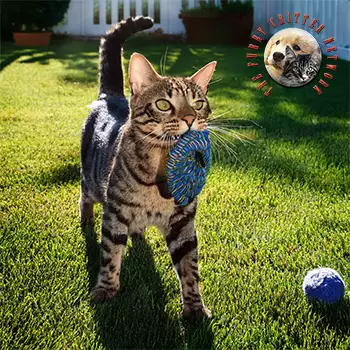

Growth & Physical Development

The juvenile period for a California Spangled begins at approximately eight weeks of age and extends through twelve months, a span during which the kitten transforms from a small, round-bodied youngster into a lean, muscular adolescent that increasingly resembles the breed's distinctive wild-cat silhouette. Growth during this phase is rapid but uneven. Kittens may experience growth spurts that cause temporary awkwardness in proportion, with legs appearing too long for the body or heads seeming oversized before the rest of the frame catches up. These phases are entirely normal and should not cause concern.

By twelve weeks, most California Spangled kittens weigh between one and a half and three pounds, and they will continue gaining steadily until they approach their adult weight of eight to fifteen pounds, depending on sex and individual genetics. Males typically outpace females in both weight and skeletal size by around four months. Muscle definition becomes increasingly apparent as kittens engage in vigorous play, and the characteristic low-slung, athletic build of the breed begins to take shape during the second half of the first year.

The spotted coat pattern that defines the California Spangled also matures during the juvenile period. Kittens may be born with less distinct markings that sharpen and darken as the coat develops its adult texture and coloring. The short, sleek fur requires minimal grooming but benefits from weekly brushing to remove loose hair and distribute natural skin oils. This routine also accustoms the young cat to being handled, which pays dividends during veterinary visits and lifelong coat maintenance.

Skeletal growth plates in cats typically close between nine and twelve months of age, and in larger-framed California Spangled individuals, full physical maturity may not be reached until closer to eighteen months. During this entire growth window, the kitten's musculoskeletal system is vulnerable to injury from high-impact falls or excessive rough play. While the breed is naturally agile and athletic, providing safe climbing structures with stable platforms helps prevent injuries that could affect joint development.

Nutrition for the Growing Kitten

A California Spangled kitten's nutritional needs during the juvenile stage differ substantially from those of an adult cat. The metabolic demands of rapid growth, muscular development, and sustained high activity levels require a diet formulated specifically for kittens, with higher protein, fat, and caloric density than adult maintenance formulas. Select a premium kitten food that lists a named animal protein as its first ingredient and meets the nutritional profiles established by the Association of American Feed Control Officials for growth and reproduction.

From eight weeks through approximately six months, offer meals three to four times daily. The California Spangled's active temperament means these kittens burn through calories quickly, and frequent meals help maintain stable blood sugar and consistent energy levels. Around six months of age, you can begin transitioning to twice-daily feedings, though some individuals with particularly high activity levels may benefit from a midday meal or from having a measured portion of dry food available for grazing between scheduled wet-food meals.

Wet food should form a significant portion of the juvenile California Spangled's diet. Canned or pouch-format kitten food provides superior moisture content compared to kibble alone, supporting kidney health and urinary tract function from an early age. Many California Spangled owners find that a combination of wet and dry food works well, with wet food served at set mealtimes and a small amount of high-quality kibble available for between-meal snacking. Monitor body condition regularly by feeling for ribs beneath a thin layer of covering. A juvenile California Spangled should feel lean and fit, never bony and never carrying excess padding.

The transition from kitten food to adult food generally occurs between ten and twelve months of age, though it should be guided by the individual cat's growth trajectory and the advice of your veterinarian rather than by calendar date alone. Transition gradually over seven to ten days, mixing increasing proportions of adult food into the kitten formula to avoid gastrointestinal upset. Abrupt dietary changes can cause diarrhea and temporary appetite loss, both of which are easily prevented with a measured switchover.

Behavioral Development & Training

The juvenile stage is the most formative period for shaping the California Spangled's lifelong behavioral repertoire. This breed is notably intelligent and thrives on mental stimulation, which makes it more receptive to training than many cat breeds but also more prone to developing unwanted behaviors if its cognitive needs go unmet. Destructive scratching, counter-surfing, and ambush-pouncing on household members are common complaints from owners who underestimate the breed's need for structured enrichment during adolescence.

Positive reinforcement training should begin as soon as the kitten arrives in its new home. California Spangled kittens respond well to clicker training and treat-based rewards, and they can learn to sit, come when called, high-five, and even walk on a harness with patient, consistent practice. Keep training sessions short, no more than five minutes at a time, and end each one on a successful note. The breed's natural curiosity and desire to interact with its owner make training sessions a bonding opportunity as much as a behavioral exercise.

Bite inhibition and appropriate play behavior are critical lessons during the juvenile period. Kittens that were raised with littermates until at least twelve weeks typically have a solid foundation in bite control, but adolescent cats may test limits as they grow stronger and more confident. Never use hands or feet as play toys, as this teaches the cat that human body parts are acceptable targets. Redirect biting and scratching onto appropriate outlets such as wand toys, kick sticks, and puzzle feeders. If a kitten bites during play, withdraw your attention immediately and resume interaction only when the kitten is calm.

Scratching behavior is innate and essential for claw maintenance, stretching, and territorial marking. Provide multiple scratching surfaces in a variety of orientations, including vertical posts, angled ramps, and horizontal pads. Place them near the kitten's preferred resting spots and along pathways it travels frequently. California Spangled cats tend to prefer sturdy, tall scratching posts that allow full-body stretching, consistent with the breed's long, athletic frame. Reward the kitten for using appropriate surfaces and gently redirect it when it targets furniture, without punishment.

Exercise & Environmental Enrichment

The California Spangled was bred with athleticism at the forefront of its design, and juvenile cats of this breed possess energy levels that can surprise even experienced cat owners. Insufficient physical and mental activity during this developmental stage does not merely result in boredom — it can drive destructive behavior, excessive vocalization, nighttime hyperactivity, and even stress-related health issues. A structured enrichment program is not optional for this breed; it is a requirement for a harmonious household.

Interactive play sessions should total at least 30 to 45 minutes per day, broken into multiple sessions of ten to fifteen minutes each. Wand toys that mimic the erratic movement of prey are particularly effective for engaging the California Spangled's strong hunting instinct. Vary the toys regularly to maintain novelty, and incorporate sessions that allow the cat to stalk, chase, pounce, and complete a capture sequence — ending each play session with a treat or meal to simulate the hunt-catch-eat cycle that satisfies feline predatory behavior at a neurological level.

Vertical space is essential for this breed. Invest in tall cat trees with multiple platforms, wall-mounted shelves that create elevated pathways, and window perches that allow the cat to observe outdoor activity. California Spangled cats are strong jumpers and climbers, and they will create their own vertical routes through the home if appropriate structures are not provided, which often means shelves, counters, and the tops of cabinets become their territory. Purpose-built climbing structures channel this drive safely and reduce conflicts over forbidden surfaces.

Puzzle feeders and food-dispensing toys provide cognitive stimulation that complements physical exercise. Place a portion of the kitten's daily kibble ration inside a treat ball or puzzle box and let it work for the food. Rotate puzzle toys every few days to prevent habituation. For California Spangled kittens that show particular aptitude, you can introduce increasingly complex puzzles that require multiple steps to access the reward. Outdoor access in a secure catio or on a harness and leash offers additional enrichment for cats that are comfortable with it, though safe containment is essential given the breed's agility and speed.

Socialization & Multi-Pet Households

While the foundation of socialization is laid during the neonatal period, the juvenile stage is when the California Spangled's social skills are refined and generalized to new contexts. A kitten that was well-socialized with its breeder's household must now adapt to its new family, home environment, and potentially other resident pets. The breed's inherent sociability is an asset in this process, but every transition requires patience and thoughtful management.

Introduce the juvenile California Spangled to its new home gradually. Confine the kitten to a single room initially, equipped with food, water, a litter box, bedding, scratching surfaces, and toys. Allow it to become confident in this space before opening access to additional rooms. This staged introduction prevents the kitten from becoming overwhelmed by a large, unfamiliar environment and allows it to establish a secure home base. Most California Spangled kittens adapt quickly and will be soliciting access to the rest of the home within a few days to a week.

If the household includes resident cats or dogs, introductions must be managed carefully regardless of the California Spangled's friendly disposition. Begin with scent exchange by swapping bedding between the new kitten and existing pets. Progress to visual contact through a baby gate or cracked door before allowing supervised face-to-face meetings. The California Spangled's confident body language and playful overtures are generally well-received by other sociable cats, but resident cats that are territorial or elderly may need several weeks of gradual introduction to accept a boisterous newcomer without conflict.

Continue expanding the juvenile cat's social world by inviting different people to the home and exposing it to a variety of experiences. Car rides, visits to friends' homes, and calm outdoor excursions on a harness and leash all contribute to the development of a confident, adaptable adult. California Spangled cats that are exposed to diverse stimuli during the juvenile stage tend to handle change, travel, and veterinary visits with significantly less stress than those raised in a static, limited environment.

Veterinary Milestones & Spay/Neuter

The juvenile period encompasses several critical veterinary milestones that protect the California Spangled's long-term health. The initial kitten vaccination series, begun at six to eight weeks of age, requires booster doses at approximately twelve and sixteen weeks to build robust immunity against core diseases including feline panleukopenia, calicivirus, herpesvirus, and rabies. Your veterinarian will advise on additional vaccines based on the kitten's lifestyle and risk factors, such as feline leukemia virus vaccination for cats that may have outdoor exposure.

Spaying or neutering is one of the most important health decisions during the juvenile stage. For California Spangled cats not intended for a responsible breeding program, the procedure is typically recommended between four and six months of age, before the onset of sexual maturity. Early spaying eliminates the risk of pyometra and significantly reduces the likelihood of mammary tumors, while early neutering prevents spraying behavior and reduces roaming instinct. Discuss the optimal timing with your veterinarian, as individual factors such as the kitten's size, development, and overall health may influence the recommended schedule.

Parasite prevention should be established on a regular schedule during the juvenile months. Monthly broad-spectrum treatments that address intestinal worms, fleas, and ticks protect both the kitten and the household. If the California Spangled has any outdoor access, even supervised, heartworm prevention may also be advisable depending on your geographic region. Fecal examinations at each vaccination visit help confirm that deworming protocols are effective and that no resistant parasites have gained a foothold.

Schedule a comprehensive wellness examination at approximately one year of age to establish the cat's adult baseline. This visit should include a thorough physical examination, blood panel, urinalysis, and discussion of long-term preventive care. The baseline blood work is particularly valuable because it provides reference values against which future test results can be compared, enabling earlier detection of subtle changes that might indicate the onset of disease. For a breed as rare as the California Spangled, maintaining detailed veterinary records from kittenhood onward is especially important for informing any breed-specific health research.

Always consult a qualified professional before making any health-related decisions. This content is provided for informational reference only and should not replace professional guidance specific to your animal.