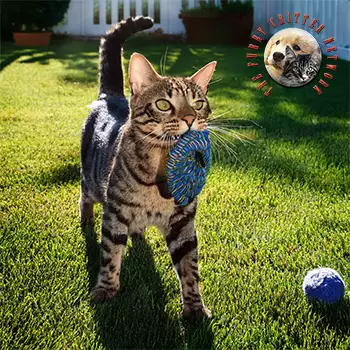

Nutrition & Weight Management

An adult California Spangled reaches full physical maturity between one and two years of age, and dietary requirements shift from growth-focused nutrition to maintenance of lean body mass and sustained energy. Transition the cat to a high-quality adult formula that prioritizes animal-based protein and moderate fat content. The breed's naturally muscular, athletic physique demands adequate protein to maintain muscle tone, while controlled fat levels help prevent the weight gain that sedentary indoor living can encourage even in active breeds.

Feed measured portions twice daily rather than free-feeding. Although free-choice dry food is convenient, it makes it difficult to monitor intake accurately and predisposes many cats to gradual weight gain that goes unnoticed until it becomes clinically significant. A California Spangled in good condition should have a clearly visible waist when viewed from above, ribs that are easily felt beneath a thin covering of flesh, and an abdominal tuck when viewed from the side. Males in prime condition typically weigh between ten and fifteen pounds, and females between eight and twelve, though individual skeletal size varies.

Wet food should remain a regular component of the adult diet. Cats evolved as desert-dwelling predators that derived most of their water from prey, and many domestic cats do not drink enough water on their own to fully support renal function. Offering wet food at each meal significantly increases daily fluid intake and helps reduce the risk of urinary crystals and kidney stress over the cat's lifetime. Supplement with a running-water fountain, which many California Spangled cats prefer over a stagnant bowl, to further encourage hydration.

Avoid the temptation to supplement with frequent treats or table scraps. Treats should constitute no more than ten percent of the cat's daily caloric intake and should ideally serve a functional purpose, such as rewards during training sessions or vehicles for medication. Obesity in cats is associated with diabetes, hepatic lipidosis, osteoarthritis, and reduced life expectancy, and even a pound of excess weight on a medium-framed cat represents a significant proportional increase that affects joint health and metabolic function.

Exercise & Mental Stimulation

The California Spangled does not outgrow its need for vigorous daily exercise upon reaching adulthood. This breed retains a strong prey drive and an athletic disposition throughout its prime years, and owners who reduce playtime after the kitten phase often find themselves dealing with behavioral issues rooted in unspent energy. Plan for a minimum of two dedicated interactive play sessions per day, each lasting fifteen to twenty minutes, supplemented by environmental enrichment that allows the cat to exercise independently.

Wand toys, laser pointers used responsibly with a physical catch at the end, and motorized chase toys all engage the California Spangled's hunting instincts effectively. Vary the play routine to prevent boredom — alternate between ground-level prey simulations and aerial targets that encourage leaping and climbing. The breed's powerful hind legs and low center of gravity make it a formidable jumper, and play sessions that challenge vertical agility are as important as those that exercise horizontal speed and coordination.

Environmental enrichment should extend beyond scheduled play sessions. Rotate puzzle feeders, hiding kibble in different locations around the home to simulate foraging behavior, and introduce novel objects periodically for investigation. Cat tunnels, crinkle bags, and cardboard boxes provide inexpensive enrichment that appeals to the California Spangled's investigative nature. For cats that tolerate or enjoy it, supervised outdoor access in a secure enclosure or on a harness and leash offers an unparalleled enrichment experience that satisfies the breed's curiosity about the wider world.

Social interaction is itself a form of mental stimulation for the California Spangled. This breed forms strong bonds with its human family and often follows household members from room to room, participates in activities, and seeks physical proximity. Ignoring this social drive or leaving a California Spangled alone for extended periods without companionship or enrichment can lead to attention-seeking behaviors, excessive vocalization, and anxiety. If the household is empty for long stretches during the workday, consider providing a compatible feline companion to meet the breed's social needs.

Preventive Veterinary Care

Annual wellness examinations are the cornerstone of preventive health care for the adult California Spangled. Each visit should include a comprehensive physical examination covering body condition, dental health, cardiac auscultation, abdominal palpation, skin and coat assessment, and musculoskeletal evaluation. Blood work including a complete blood count and chemistry panel, along with a urinalysis, should be performed annually beginning at maturity. These tests establish and update baseline values that enable your veterinarian to detect early, subtle deviations from normal before they progress into clinical disease.

Vaccination protocols for adult cats differ from the intensive kitten series. Core vaccines are typically boosted one year after the final kitten dose and then administered every three years thereafter, in accordance with current veterinary guidelines. Non-core vaccines such as feline leukemia virus should be continued or discontinued based on the individual cat's risk profile, taking into account factors such as indoor-only status, exposure to other cats, and regional disease prevalence. Discuss any lifestyle changes with your veterinarian at each annual visit so that the vaccination plan remains appropriately tailored.

Parasite prevention must be maintained year-round, even for strictly indoor cats. Fleas can enter the home on clothing, other pets, or through screened windows, and intestinal parasites can be contracted through exposure to contaminated soil tracked indoors. Monthly broad-spectrum preventives that address fleas, intestinal worms, and, where geographically relevant, heartworm provide reliable protection. Fecal examinations should be performed at least annually to confirm the efficacy of the deworming protocol.

Dental disease is one of the most common and frequently overlooked health problems in adult cats. By three years of age, a significant percentage of cats show early signs of periodontal disease, which can progress to painful infections, tooth resorption, and systemic health consequences affecting the heart, kidneys, and liver. Schedule professional dental cleanings as recommended by your veterinarian, and implement an at-home dental care routine that may include daily tooth brushing with a feline-specific enzymatic paste, dental treats approved by the Veterinary Oral Health Council, and water additives that help reduce plaque formation.

Coat, Skin & Grooming

The California Spangled's short, close-lying spotted coat is relatively low-maintenance compared to long-haired breeds, but it still benefits from regular attention. Weekly brushing with a fine-toothed comb or rubber grooming mitt removes loose hair, distributes skin oils for a healthy sheen, and provides an opportunity to check for lumps, skin irritation, parasites, or injuries that might otherwise go unnoticed beneath the coat. Most California Spangled cats enjoy being groomed if the habit was established during kittenhood, and the session doubles as a bonding ritual.

Bathing is rarely necessary for healthy cats with normal skin, but occasional baths may be warranted for show preparation or if the cat has come into contact with something that cannot be safely removed by licking. Use a gentle, cat-specific shampoo and rinse thoroughly to prevent residue from irritating the skin. Dry the cat in a warm, draft-free room, and keep in mind that many California Spangled cats tolerate bathing better than average if introduced to water calmly at a young age.

Nail trimming should be performed every two to three weeks to prevent overgrowth, splitting, and snagging on fabrics or carpet. Use sharp, guillotine-style or scissor-type clippers designed for cats, and trim only the transparent tip of each nail, avoiding the pink quick where blood vessels and nerves reside. Regular trimming reduces the potential for damage to furniture and minimizes the risk of ingrown nails, which can cause pain and infection, particularly in less active indoor cats whose claws do not wear down naturally.

Check the ears weekly for wax buildup, debris, or signs of infection such as redness, odor, or excessive scratching. Clean the outer ear gently with a veterinarian-approved ear cleanser on a cotton ball, never inserting anything into the ear canal. Eye discharge should be wiped away with a damp, soft cloth as needed. While the California Spangled is not prone to excessive tearing, any persistent discharge, squinting, or redness warrants a veterinary evaluation to rule out infection or injury.

Behavioral Patterns in Adulthood

By the time a California Spangled reaches full adulthood, its core personality is well established, though the breed continues to display a youthful playfulness and curiosity that many owners describe as kitten-like well into middle age. Understanding the breed's characteristic behavioral patterns during the prime years helps owners provide an environment that meets the cat's needs and prevents the frustration-driven behaviors that often lead to unnecessary rehoming.

The California Spangled is a highly interactive breed that communicates actively with its household through vocalizations, body language, and physical proximity. Many individuals develop a repertoire of chirps, trills, and soft calls that they use to solicit attention, announce their arrival, or comment on events in their environment. This communicative tendency is a feature of the breed rather than a problem, but owners should be aware that a sudden increase in vocalization or a change in vocal tone can indicate pain, stress, or illness and should not be dismissed as mere chattiness.

Territorial behavior in adult California Spangled cats typically manifests as facial rubbing, chin marking, and scratching on designated surfaces rather than aggressive confrontation. However, the introduction of a new pet, a major change in household routine, or a move to a new home can trigger stress-related behaviors including urine marking, withdrawal, or inter-cat aggression. Managing these transitions with gradual introductions, pheromone diffusers, and environmental stability significantly reduces the likelihood of behavioral disruptions.

The breed's intelligence and problem-solving ability can occasionally become a management challenge. Adult California Spangled cats are known for learning to open cabinets, manipulate door handles, and find their way into spaces that owners assumed were secure. Child-proof latches on cabinets containing cleaning products, medications, or toxic foods are essential. Viewing these skills as an expression of the breed's remarkable cognitive ability rather than as defiance helps owners channel the behavior productively through puzzle toys, training games, and interactive challenges rather than engaging in a futile battle of wills.

Common Adult Health Considerations

While the California Spangled is generally regarded as a robust breed with good genetic diversity owing to its multi-breed foundation, adult cats of any breed can develop health conditions that benefit from early recognition and management. Hypertrophic cardiomyopathy, the most common heart disease in domestic cats, should be monitored through periodic cardiac auscultation and, when indicated, echocardiography. While no breed-specific prevalence data exist for the California Spangled due to its small population, the condition occurs across all domestic cat breeds and early detection allows for medical management that can significantly extend quality of life.

Urinary tract issues, including feline lower urinary tract disease and urolithiasis, affect a notable proportion of adult cats and are influenced by diet, hydration, stress, and body weight. Signs include frequent trips to the litter box, straining to urinate, blood in the urine, and urinating outside the litter box. Male cats are at greater risk for urethral obstruction, which is a life-threatening emergency requiring immediate veterinary intervention. Maintaining adequate hydration through wet food, water fountains, and multiple water stations throughout the home is the single most effective preventive measure.

Obesity remains the most prevalent nutritional disorder in domestic cats and carries consequences that extend well beyond appearance. Excess body weight increases the load on joints, predisposes to diabetes mellitus, accelerates the progression of osteoarthritis, and elevates the risk of hepatic lipidosis if the cat stops eating for any reason. The California Spangled's naturally active temperament offers some protection, but indoor confinement and ad libitum feeding can override even a genetically athletic disposition. Monitor body condition score at every veterinary visit and adjust caloric intake proactively in response to weight trends.

Dental disease progresses insidiously during the adult years and frequently goes unrecognized until it causes significant pain. Tooth resorption, a uniquely feline condition in which the body breaks down tooth structure below the gum line, is particularly common and can only be detected through dental radiographs. Periodontal disease affects the gums and supporting structures of the teeth and, left untreated, leads to tooth loss and chronic pain that many cats hide remarkably well. Annual or biannual dental assessments, professional cleanings under anesthesia when indicated, and daily home care form the triad of effective dental health management.

Always consult a qualified professional before making any health-related decisions. This content is provided for informational reference only and should not replace professional guidance specific to your animal.