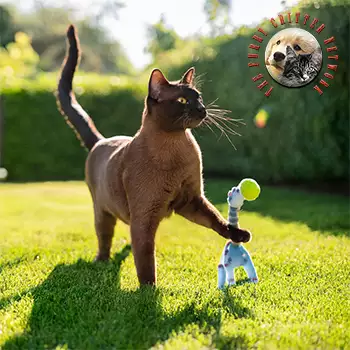

Growth & Physical Development

The juvenile phase in Burmese cats spans roughly from eight weeks to twelve months of age, though some individuals continue filling out until they are closer to eighteen months. During this period, your Burmese will undergo dramatic physical changes, growing from a small, somewhat clumsy kitten into a sleek, muscular young cat. Burmese cats are surprisingly heavy for their size, often described as feeling like a brick wrapped in silk, and this characteristic density begins to develop during the juvenile stage.

Growth rates vary between individuals and between males and females. Males tend to be larger, typically reaching 8 to 14 pounds at maturity, while females generally settle between 6 and 10 pounds. During the most rapid growth phase between three and six months, your Burmese may seem to change almost weekly. Their legs will lengthen, their chest will broaden, and their distinctive rounded head shape will become more pronounced.

The Burmese coat also undergoes noticeable changes during this period. Kittens are often born with lighter coloring that darkens progressively over the first year. Sable kittens may appear medium brown before deepening to their rich, dark chocolate shade. Champagne, blue, and platinum varieties similarly evolve in tone and depth. The coat itself develops its hallmark satin-like texture and close-lying quality as the kitten matures, becoming increasingly glossy and smooth to the touch.

Nutrition & Diet Transition

Proper nutrition during the juvenile phase is essential for supporting the rapid growth and high energy levels characteristic of young Burmese cats. From weaning through approximately twelve months of age, feed a high-quality kitten food formulated to meet the caloric and nutritional demands of a developing body. Look for foods where a named animal protein is the primary ingredient and that meet the nutritional profiles established by veterinary nutrition organizations for growth.

Burmese kittens are typically enthusiastic eaters, and their compact, muscular build requires consistent caloric intake. Most veterinarians recommend feeding measured portions three to four times daily until six months of age, then transitioning to two to three meals per day. Free-feeding dry kibble is generally not recommended for this breed, as Burmese cats can be prone to weight gain, and establishing portion-controlled meal habits early helps prevent obesity later in life.

Fresh water should be available at all times. Many cats, including Burmese, prefer running water, so a cat water fountain can encourage adequate hydration. As your kitten approaches one year of age, begin the gradual transition to an adult maintenance formula. Switch over the course of seven to ten days by slowly increasing the proportion of adult food while decreasing the kitten formula to avoid digestive upset.

Avoid offering table scraps, raw diets without veterinary guidance, or supplements unless specifically recommended by your veterinarian. Over-supplementation, particularly with calcium and vitamin A, can cause developmental problems in growing kittens. A well-formulated commercial kitten food provides a complete and balanced nutritional profile.

Behavioral Changes

The juvenile and adolescent phase brings a whirlwind of behavioral changes as your Burmese develops from a dependent kitten into an increasingly independent young cat. Burmese are among the most people-oriented of all cat breeds, and this personality trait intensifies during adolescence. Your young Burmese will likely follow you from room to room, demand to be involved in whatever you are doing, and vocalize when they feel ignored. This is entirely normal for the breed and should be encouraged with positive attention rather than dismissed.

Adolescent Burmese cats test boundaries with exuberance. You may notice increased counter-surfing, exploration of off-limits areas, and a seeming compulsion to investigate every cupboard, drawer, and bag in your home. This curiosity is a hallmark of the breed's intelligence and should be channeled through environmental enrichment rather than simply corrected. Puzzle feeders, interactive toys, and rotating play stations help satisfy their mental appetite.

Some adolescent Burmese go through a phase of increased mouthiness, using gentle biting during play. This is an appropriate time to establish clear boundaries around acceptable play behavior. Redirect biting to appropriate toys and withdraw attention briefly when teeth make contact with skin. Consistency from all household members is important, as mixed signals confuse a young cat and slow the learning process.

Burmese cats are highly social and often do best with a companion animal in the household. If you have a single Burmese, the adolescent phase is when loneliness or boredom-related behaviors may become most apparent. Excessive vocalization, destructive behavior, or clinginess that interferes with daily life can signal that your cat needs more stimulation, more companionship, or both.

Training Priorities

Burmese cats are exceptionally trainable, ranking among the most responsive feline breeds to structured learning. Their intelligence, desire for human interaction, and food motivation make them ideal candidates for positive reinforcement training. Start with basic behaviors such as coming when called, sitting on cue, and accepting handling for grooming and veterinary examinations. Short, frequent training sessions of three to five minutes work far better than longer, less frequent ones.

Litter box habits are usually well-established by the time a Burmese kitten reaches the juvenile stage, but adolescence can bring occasional regression, particularly during periods of stress or environmental change. Maintain clean, easily accessible litter boxes and address any lapses immediately by evaluating potential stressors rather than punishing the cat. A general guideline is one litter box per cat in the household plus one additional box.

Scratch training is a priority during this phase, as adolescent cats develop strong scratching habits that will persist into adulthood. Provide a variety of scratching surfaces including vertical posts and horizontal pads in materials like sisal and corrugated cardboard. Place scratching options near sleeping areas and along frequently traveled paths. When you observe your Burmese using an appropriate surface, reinforce the behavior with calm praise or a small treat.

Many Burmese can learn to walk on a harness and leash, retrieve toys, perform tricks, and even navigate simple agility courses. These activities provide valuable mental stimulation and strengthen the bond between you and your cat. The key to success is patience, consistency, and always ending sessions on a positive note.

Exercise & Activity

Young Burmese cats possess remarkable energy levels and require substantial daily play and exercise to remain physically healthy and mentally satisfied. Unlike more sedentary breeds, an adolescent Burmese that does not receive adequate activity will often create its own entertainment, frequently in ways that are not appreciated by their owners. Plan for at least two dedicated interactive play sessions per day, each lasting 15 to 20 minutes, using wand toys, laser pointers followed by a tangible toy to catch, or feather teasers.

Vertical space is particularly important for this athletic breed. Cat trees, wall-mounted shelving, and elevated perches allow your Burmese to climb, survey their territory from above, and expend energy through jumping. Position these structures near windows when possible, as Burmese cats are keen observers and enjoy watching outdoor activity. A bird feeder visible from a window perch provides hours of entertainment.

Puzzle toys and food-dispensing games add an intellectual dimension to physical activity. Hide kibble in puzzle feeders, rotate toys regularly to maintain novelty, and introduce new challenges as your Burmese masters existing ones. This breed thrives on problem-solving and will quickly lose interest in toys or games that are too easy.

Social play is equally important. If your household includes other pets, supervised play between compatible animals helps satisfy the Burmese's social exercise needs. If your Burmese is an only pet, your role as a play partner becomes even more critical. Neglecting exercise needs during the juvenile phase can lead to obesity, behavioral problems, and a frustrated cat that is difficult to live with.

Spay/Neuter Considerations

The decision of when to spay or neuter your Burmese should be made in consultation with your veterinarian, taking into account the individual cat's health, development, and your plans for the animal. Most veterinarians recommend spaying or neutering between four and six months of age, before the cat reaches sexual maturity. Burmese females can experience their first heat cycle as early as five months, and intact males may begin spraying urine to mark territory around the same age.

Spaying and neutering offer significant health and behavioral benefits. Spayed females are protected from uterine infections and have a substantially reduced risk of mammary cancer, particularly when the procedure is performed before the first heat cycle. Neutered males are less likely to engage in spraying, roaming, and inter-cat aggression. The procedure also eliminates the risk of testicular cancer and reduces the likelihood of certain prostate problems.

Some owners and breeders opt for a slightly later spay or neuter timeline, allowing the cat to develop more fully before surgery. Discuss the potential benefits and risks of early versus later procedures with your veterinarian. Regardless of timing, the surgical procedure itself is routine and well-tolerated in healthy cats. Recovery is typically quick, with most cats returning to normal activity within a few days to a week.

If you are not planning to breed your Burmese responsibly and ethically through a registered breeding program, spaying or neutering is strongly recommended. The feline overpopulation crisis is ongoing, and preventing unwanted litters is a fundamental responsibility of pet ownership.

Socialization & Exposure

Continued socialization during the juvenile and adolescent phase builds on the foundation established during the kitten's first weeks of life. While the primary socialization window closes around seven to nine weeks of age, Burmese cats remain remarkably adaptable and responsive to new experiences well into adolescence. Deliberate, positive exposure to a variety of people, animals, environments, and situations during this period helps ensure your Burmese grows into a confident, well-adjusted adult.

Introduce your Burmese to visitors of different ages, appearances, and energy levels. The breed's naturally gregarious temperament means most Burmese kittens approach strangers with curiosity rather than fear, but positive experiences during adolescence reinforce this openness. Allow the cat to approach new people on its own terms, rewarding confident behavior with treats or play. Never force interactions, as even the most social breed can develop anxiety if overwhelmed.

Carrier training and car travel desensitization are particularly valuable during this period. Leave the carrier out as a permanent piece of furniture with comfortable bedding inside. Feed treats and meals near or inside the carrier so your Burmese develops a positive association with it. Short car rides that end with positive experiences help prevent the travel anxiety that makes veterinary visits stressful for so many cats.

Expose your juvenile Burmese to routine handling that mimics veterinary and grooming procedures. Practice opening the mouth, touching paws and extending claws, looking in ears, and gentle restraint. Pair each handling exercise with rewards. A Burmese that accepts handling calmly is safer for veterinary staff, less stressed during necessary care, and easier to manage throughout its life.

Always consult a qualified professional before making any health-related decisions. This content is provided for informational reference only and should not replace professional guidance specific to your animal.