
Peak Health Maintenance

The adult phase for a Burmese cat generally spans from approximately one year to around ten years of age, representing the longest and most stable period of their life. During these prime years, your Burmese should be at peak physical condition, displaying the breed's characteristic muscular build, glossy satin coat, and tireless energy. Maintaining this level of health requires consistent attention to diet, exercise, veterinary care, and environmental enrichment.

Annual veterinary wellness exams are the cornerstone of adult health maintenance. Even when your Burmese appears perfectly healthy, routine examinations can detect early signs of conditions that are common in the breed, including diabetes mellitus, hypokalemia, and cranial deformities in certain bloodlines. Your veterinarian will perform a thorough physical examination, update vaccinations as needed, and may recommend baseline blood work starting in mid-adulthood to establish reference values for comparison as your cat ages.

Maintain a consistent daily routine that includes regular feeding times, play sessions, and quiet rest periods. Burmese cats are creatures of habit despite their adventurous nature, and a predictable schedule reduces stress and supports overall wellbeing. Monitor your cat's weight, appetite, water intake, litter box habits, and behavior patterns on an ongoing basis. Changes in any of these areas can be early indicators of health issues that warrant veterinary attention.

Keep vaccinations, parasite prevention, and dental care current throughout the adult years. Even indoor Burmese benefit from core vaccinations and regular fecal testing. Discuss with your veterinarian which preventive measures are appropriate based on your cat's specific lifestyle and risk factors.

Nutrition at Maturity

Feeding an adult Burmese requires balancing adequate nutrition with caloric control, as this breed's compact, dense build can mask weight gain until it becomes significant. Transition to a high-quality adult maintenance formula around twelve months of age. Choose foods with a named animal protein as the first ingredient, moderate fat content, and limited carbohydrate fillers. Both wet and dry food formats have merits, and many owners find that a combination of both works well.

Portion control is critical for Burmese cats. Despite their muscular build and active nature, they have a tendency to overeat when given the opportunity. Feed measured meals twice daily rather than free-feeding. Your veterinarian can help you determine the appropriate daily caloric intake based on your cat's weight, body condition score, activity level, and whether they are spayed or neutered. Adjust portions seasonally and as activity levels change.

Fresh, clean water should always be available. Burmese cats can be finicky about water freshness, and a cat water fountain that circulates and filters water often encourages better hydration. Adequate water intake is important for kidney health and urinary tract function, both areas of concern for cats as they age.

Treats should constitute no more than ten percent of your Burmese's daily caloric intake. Use treats strategically for training reinforcement and bonding rather than as a routine snack. Avoid human foods that are toxic to cats, including onions, garlic, chocolate, grapes, raisins, and anything containing xylitol. If you are considering a specialized diet, such as a raw or home-prepared formula, consult with a veterinary nutritionist to ensure all nutritional requirements are met.

Exercise & Fitness

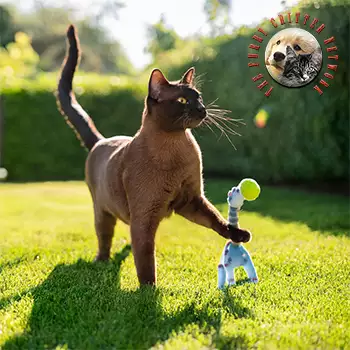
Adult Burmese cats retain much of the playful energy of their kitten months and require ongoing physical and mental stimulation to maintain fitness and prevent boredom-related behavioral problems. This is not a breed that is content to sleep the day away on a windowsill. Plan for at least two interactive play sessions per day, incorporating toys that mimic prey behavior such as wand toys with feathers, small plush toys for batting and chasing, and puzzle feeders that challenge their problem-solving abilities.

Maintaining an enriched environment is essential for an indoor Burmese. Cat trees with multiple levels, wall-mounted climbing shelves, tunnels, and window perches provide opportunities for climbing, jumping, and territorial surveying. Rotate toys and enrichment items regularly to prevent habituation. Introduce new challenges periodically, such as treat-dispensing balls or foraging mats that require the cat to work for their food.

Many adult Burmese enjoy structured activities beyond typical cat play. Harness and leash walks, clicker training sessions, and even feline agility setups can provide valuable physical exercise and mental engagement. The breed's intelligence and eagerness to interact with their owners make them ideal candidates for these activities. Even simple games of fetch, which many Burmese learn naturally, provide excellent cardiovascular exercise.

Monitor your Burmese's body condition regularly by feeling for the ribs along the sides of the chest. You should be able to feel the ribs easily under a thin layer of fat without pressing hard. A visible waist when viewed from above and a slight tummy tuck when viewed from the side indicate a healthy body condition. If your cat is gaining weight despite appropriate feeding, increase exercise before reducing food intake, and consult your veterinarian to rule out metabolic issues.

Preventive Health Care

Proactive preventive care during the adult years can significantly extend your Burmese's lifespan and quality of life. In addition to annual wellness exams, discuss breed-specific health screenings with your veterinarian. Burmese cats have documented predispositions to diabetes mellitus, hypokalemia, and certain inherited conditions. Regular blood glucose monitoring may be recommended, particularly for cats that are overweight or have a family history of diabetes.

Parasite prevention should continue throughout the adult years even for indoor cats. Fleas, intestinal parasites, and heartworm can affect cats that never go outdoors, as parasites can be introduced on shoes, clothing, or other pets. Your veterinarian can recommend an appropriate preventive protocol based on your geographic area and household circumstances.

Vaccination boosters should follow the schedule recommended by your veterinarian. Core vaccines are typically boosted every one to three years depending on the product used and your cat's risk profile. Non-core vaccines such as feline leukemia virus may be recommended based on lifestyle factors. Keep vaccination records current and organized, as they may be required for boarding, travel, or emergency veterinary care.

Dental health is an often-overlooked aspect of preventive care that has significant implications for overall health. Periodontal disease is one of the most common conditions in adult cats and can lead to pain, tooth loss, and systemic infections affecting the heart, kidneys, and liver. Your veterinarian may recommend professional dental cleanings as part of your Burmese's preventive care plan. At home, daily tooth brushing with a cat-specific enzymatic toothpaste is the gold standard, though dental treats and water additives can supplement brushing.

Behavioral Maturity

By the time a Burmese reaches full adulthood, their personality is well established and remarkably consistent. The breed is known for maintaining a kitten-like playfulness well into maturity, combined with a deep and almost dog-like devotion to their owners. Adult Burmese are vocal communicators, using a distinctive raspy voice to express opinions, request attention, and narrate their daily activities. This vocalization is a feature of the breed, not a behavioral problem, and should be appreciated as part of the Burmese character.

Adult Burmese thrive on routine and companionship. They typically choose a primary person in the household to bond with most closely, though they remain affectionate with all family members. This breed does not tolerate being left alone for extended periods and may develop separation anxiety if their social needs are not met. If your household schedule requires long absences, consider providing a compatible feline companion to keep your Burmese company.

Territorial behavior in adult Burmese is generally moderate compared to more independent breeds, but they can be assertive in multi-cat households. They tend to insert themselves into the social hierarchy with confidence and may attempt to dominate more timid cats. Monitor inter-cat dynamics and ensure each cat has access to their own resources including food, water, litter boxes, and resting spots.

Adult Burmese continue to benefit from training and mental challenges. Their intelligence means they can learn complex behaviors and routines throughout their lives. Ongoing training reinforces the bond between cat and owner, provides mental stimulation, and gives the cat a constructive outlet for their considerable cognitive energy.

Dental & Grooming

The Burmese coat is one of the breed's most appealing features and fortunately one of the easiest to maintain. Their short, fine, satin-like fur lies close to the body and requires minimal grooming compared to longhaired breeds. A weekly brushing with a soft rubber grooming mitt or chamois cloth is usually sufficient to remove loose hair, distribute natural skin oils, and maintain the coat's characteristic gleam. Many Burmese enjoy grooming sessions as a form of bonding and will purr contentedly throughout.

Despite their low-maintenance coat, Burmese cats do shed, particularly during seasonal changes in spring and fall. During these periods, increasing brushing to two or three times per week helps manage loose hair and reduces the formation of hairballs. Bathing is rarely necessary for this breed unless the cat has gotten into something dirty or has a skin condition requiring medicated baths. If bathing is needed, use a gentle cat-specific shampoo and ensure the cat is thoroughly dried afterward.

Nail trimming should be performed every two to three weeks. Most Burmese tolerate nail trimming well if they were handled regularly as kittens. Use sharp, cat-specific nail clippers and trim only the transparent tip of each nail, avoiding the pink quick where blood vessels and nerves are located. If your cat resists, trim a few nails per session rather than forcing the issue.

Ear cleaning should be performed as needed, typically every few weeks, using a veterinarian-recommended ear cleaning solution and a soft cotton ball. Check the ears regularly for signs of wax buildup, odor, or discharge, which could indicate ear mites or infection. Eye care for Burmese cats is usually minimal, as the breed is not prone to excessive tearing, but wipe away any occasional discharge with a soft, damp cloth.

Always consult a qualified professional before making any health-related decisions. This content is provided for informational reference only and should not replace professional guidance specific to your animal.