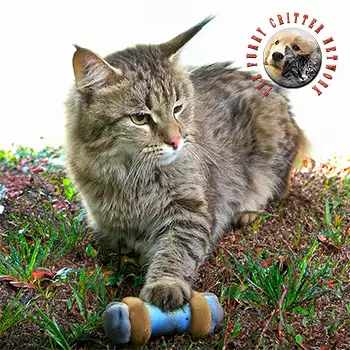

American Bobtails are generally considered to enter their senior years between the ages of ten and twelve, though the transition from mature adult to senior is gradual rather than sudden. This breed enjoys a relatively long lifespan of thirteen to eighteen years, and many individuals remain active and healthy well into their teens. However, the physiological changes of aging begin at the cellular level long before they become outwardly apparent, which is why adjustments to care routines should begin as the cat approaches its tenth birthday.
The distinction between senior and geriatric stages is worth understanding. Cats between roughly ten and fourteen years of age are typically classified as senior, while those over fifteen are considered geriatric. The practical significance of this distinction lies in the frequency and scope of veterinary care recommended for each stage. Senior cats benefit from veterinary examinations every six months rather than annually, and the range of diagnostic screening expands to catch age-related conditions at their earliest and most treatable stages.
Every American Bobtail ages differently, influenced by genetics, lifetime nutrition, activity level, environmental factors, and the quality of veterinary care received throughout its life. Some Bobtails show very few signs of aging well into their mid-teens, while others may begin exhibiting age-related changes earlier. Knowing your individual cat's baseline behavior, weight, and activity level helps you recognize subtle changes that might indicate the beginning of age-related decline.
The transition into the senior years is not a cause for alarm but rather a signal to adapt your care approach. Senior American Bobtails still enjoy play, companionship, and mental stimulation, and many retain the breed's characteristic sociability and intelligence throughout their golden years. The goal during this stage is to anticipate and accommodate changing needs so that your cat continues to enjoy a comfortable, enriched, and dignified life.