
Peak Health Maintenance

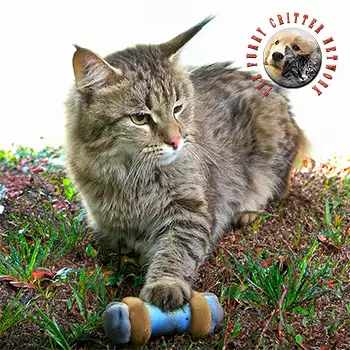
The adult years of an American Bobtail, roughly spanning from three to ten years of age, represent the period of peak physical health and vitality. During these prime years, the foundation of good care established in kittenhood pays dividends, and the focus shifts from rapid development to maintaining optimal health and preventing the onset of age-related conditions. A well-cared-for American Bobtail in its prime is a robust, muscular cat with bright eyes, a lustrous coat, and an alert, engaged demeanor.

Annual veterinary examinations are the cornerstone of adult health maintenance. These visits should include a thorough physical examination, weight assessment, dental evaluation, and discussion of any behavioral changes observed at home. Blood work, including a complete blood count and chemistry panel, helps establish baseline values and can detect emerging health issues before they become clinically apparent. Urinalysis is also recommended as part of routine screening, particularly as the cat moves into the later adult years.

Vaccination schedules during adulthood depend on the cat's lifestyle and risk factors. Indoor-only American Bobtails may require fewer boosters than cats with outdoor access, but core vaccinations should be maintained according to your veterinarian's recommendations. Parasite prevention, including flea, tick, and intestinal parasite control, remains important throughout the adult years even for indoor cats, as parasites can enter the home on shoes, clothing, and other pets.

Weight management is one of the most impactful aspects of adult health maintenance. American Bobtails are a solidly built breed, and their naturally stocky frame can mask gradual weight gain. Maintaining a healthy body condition score helps prevent obesity-related conditions including diabetes, joint problems, and hepatic lipidosis. Regular weigh-ins at home or during veterinary visits, combined with appropriate portion control and exercise, keep your Bobtail at an ideal weight throughout its prime years.

Nutrition at Maturity

Adult American Bobtails thrive on a balanced, high-quality diet formulated for adult cats. The nutritional requirements shift from the growth-focused demands of kittenhood to maintenance-level nutrition that supports lean muscle mass, healthy organ function, and a strong immune system. Protein remains the most critical macronutrient for obligate carnivores like cats, and the primary protein source in your Bobtail's diet should come from animal-based ingredients.

Most adult American Bobtails do well on two measured meals per day, with the total daily caloric intake adjusted based on the individual cat's weight, activity level, and body condition. An average adult Bobtail in the seven to sixteen pound range typically requires between 200 and 350 calories per day, though active individuals or those at the larger end of the breed standard may need more. Your veterinarian can help determine the appropriate caloric target for your specific cat.

The debate between wet and dry food is one that many cat owners navigate throughout their pet's life. Both formats have advantages. Wet food provides additional hydration and is often more palatable, while high-quality dry food can support dental health through mechanical abrasion. Many owners find that a combination of both works well for American Bobtails, providing variety in texture and flavor while addressing both hydration and dental needs.

Treats should constitute no more than ten percent of the cat's daily caloric intake. While American Bobtails are food-motivated and treats can be valuable training tools, excessive treat consumption can unbalance the diet and contribute to weight gain. Choose treats that are nutritionally appropriate for cats and avoid human foods that may be toxic or nutritionally inappropriate. Fresh water should always be available, and many Bobtails prefer a flowing water fountain over a still water bowl.

Exercise & Fitness

Adult American Bobtails retain much of the playfulness and athleticism that characterizes the breed throughout their juvenile period. This is not a breed content to spend the entirety of its day sleeping on the couch, and maintaining an active lifestyle is essential for both physical and mental health. Daily interactive play sessions remain important during the adult years, though the intensity and duration may be slightly less than what was needed during the frenetic juvenile stage.

The hunting sequence of stalk, chase, pounce, and catch provides the framework for the most satisfying play sessions. Wand toys and feather teasers that mimic the movement of prey allow the cat to engage in the full hunting sequence, which provides cardiovascular exercise, maintains muscle tone, and satisfies deep-seated predatory instincts. End each play session with a successful catch to provide psychological closure and prevent frustration.

Environmental enrichment is particularly important for indoor American Bobtails. Rotating toys, providing puzzle feeders, and creating opportunities for climbing, perching, and observing the outdoors through secure windows all contribute to a stimulating environment. Many Bobtails enjoy watching bird feeders placed outside windows, and some take well to cat-safe outdoor enclosures or supervised leash walks that provide sensory stimulation without the risks of free-roaming.

Monitor your adult Bobtail for signs of decreased activity that could indicate developing health problems. A cat that suddenly becomes less interested in play, sleeps more than usual, or resists jumping to previously favorite perches may be experiencing pain, illness, or early mobility changes. Changes in activity level should always be discussed with your veterinarian, particularly in a breed known for maintaining an active disposition well into its mature years.

Preventive Health Care

Preventive health care during the adult years focuses on catching potential problems early and maintaining the body systems that will carry your American Bobtail through a long and healthy life. In addition to annual veterinary examinations, be attentive to subtle changes in behavior, appetite, water consumption, litter box habits, and activity levels, as cats are notoriously skilled at masking signs of illness.

Dental health is a critical and often overlooked component of preventive care. Periodontal disease affects the majority of cats over three years of age and can lead to pain, tooth loss, and systemic health effects as bacteria from infected gums enter the bloodstream. Professional dental cleanings under anesthesia, combined with at-home dental care such as brushing or the use of veterinary-approved dental treats and water additives, help maintain oral health throughout the adult years.

Heart health monitoring becomes increasingly relevant during the adult period. Hypertrophic cardiomyopathy is the most common form of heart disease in cats and can develop without obvious outward symptoms. Regular veterinary auscultation helps detect heart murmurs, and echocardiography may be recommended if any abnormalities are found. Early detection of cardiac changes allows for management strategies that can significantly extend the cat's quality of life.

Kidney function screening through blood work and urinalysis is recommended at least annually during the later adult years, as chronic kidney disease is one of the most common conditions affecting aging cats. Establishing baseline kidney values while the cat is healthy provides a reference point against which future results can be compared. Early detection of declining kidney function allows for dietary and therapeutic interventions that can slow the progression of the disease substantially.

Behavioral Maturity

By the time an American Bobtail reaches full behavioral maturity at approximately three years of age, the core personality is well established. The breed's hallmark traits of affection, intelligence, and sociability are in full expression, and the more erratic, boundary-testing behaviors of adolescence have typically settled into a predictable and endearing personality. Adult Bobtails are known for forming deep, loyal bonds with their families and often exhibit a preference for being in the same room as their favorite humans.

The intelligence of the adult American Bobtail continues to demand engagement and stimulation. This is a breed that can learn complex tricks, solve puzzle toys with impressive speed, and adapt to changes in routine with greater ease than many other cat breeds. Some owners report that their Bobtails learn to open doors, manipulate latches, and even figure out how to turn on faucets. Channeling this intelligence through interactive play, training sessions, and environmental enrichment prevents the development of boredom-driven destructive behaviors.

Stress management remains important even in the stable adult years. American Bobtails, while generally adaptable, can be affected by major household changes such as moves, the addition of new family members or pets, and shifts in the daily routine of their primary caregivers. Providing consistent routines, safe retreat spaces, and gradual introductions to change helps maintain the emotional equilibrium of the adult Bobtail.

Any sudden or unexplained behavioral changes in an adult American Bobtail should be investigated with the assumption that a medical cause may be present. Inappropriate elimination, increased aggression, excessive vocalization, hiding, or changes in social behavior can all be symptoms of underlying pain, illness, or cognitive changes. A veterinary examination should always be the first step when behavioral changes occur in a previously stable adult cat.

Dental & Grooming

Grooming requirements for the adult American Bobtail vary depending on whether the cat has the short or long coat variety, but both coat types benefit from regular attention. Short-coated Bobtails typically need brushing once or twice a week to remove loose hair and distribute natural skin oils, while long-coated individuals require more frequent brushing, ideally three to four times per week, to prevent matting and reduce shedding. The dense double coat of this breed can develop mats behind the ears, under the arms, and around the hindquarters if grooming is neglected.

Bathing is rarely necessary for American Bobtails, as cats are generally meticulous self-groomers. However, if a bath is needed due to a medical condition, flea treatment, or an encounter with something sticky or harmful, use a cat-specific shampoo and warm water. Thorough drying is important, particularly for long-coated individuals, as a dense wet undercoat can take a long time to dry naturally and may create conditions favorable for skin irritation.

Nail trimming should be performed every two to three weeks to prevent overgrowth, splitting, and the potential for nails to curl into the paw pads. Most American Bobtails can be trained to accept nail trimming with patience and positive reinforcement, especially if handling of the paws was part of early socialization. If your cat is resistant to nail trimming, your veterinarian or a professional groomer can assist.

Ear cleaning should be part of the regular grooming routine. Check the ears weekly for signs of excessive wax buildup, redness, odor, or discharge that could indicate infection or ear mites. Clean only the visible portion of the ear using a veterinary-approved ear cleaning solution and a soft cloth or cotton ball. Never insert cotton swabs into the ear canal. Eye care for the American Bobtail is generally minimal, but any persistent discharge, squinting, or redness should be evaluated by a veterinarian.

Always consult a qualified professional before making any health-related decisions. This content is provided for informational reference only and should not replace professional guidance specific to your animal.