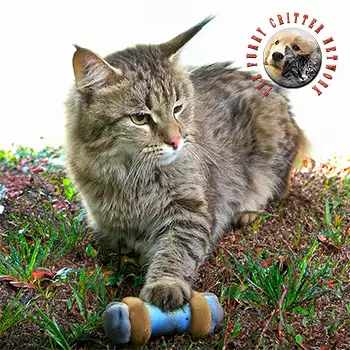

Recognizing that your American Bobtail is approaching the end of its life is one of the most difficult experiences a pet owner faces. The signs may develop gradually over weeks or months, or they may appear more suddenly in the case of acute illness or organ failure. Understanding the common indicators of decline allows you to respond with appropriate care and to begin the emotional process of preparing for the loss of your companion.
Physical signs that an American Bobtail is entering the final stage of life include a significant and sustained loss of appetite, progressive weight loss and muscle wasting, decreased mobility, and a reluctance to engage in activities that once brought enjoyment. The cat may seek out secluded, quiet spaces and withdraw from social interaction, even in a breed known for its sociability and desire to be near its family. Changes in breathing patterns, including shallow or labored breathing, may also become apparent.
Behavioral changes often accompany the physical decline. A previously fastidious cat may stop grooming itself, resulting in a dull, unkempt coat. Litter box habits may deteriorate as the cat loses the ability or motivation to reach the box in time. Some cats become more vocal in their final weeks, while others become unusually quiet. Confusion and disorientation may increase, and the cat may seem disconnected from its surroundings or fail to recognize familiar people and places.
It is important to distinguish between signs of a treatable condition and signs of irreversible decline. Many symptoms of end-stage illness overlap with those of conditions that can be managed with veterinary intervention. A thorough veterinary evaluation can help determine whether the cat's decline is the result of a condition that can still be treated or whether it represents the natural conclusion of the aging process or a terminal disease. This information is essential for making informed decisions about your cat's care going forward.