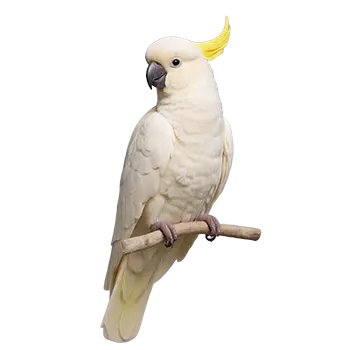

Sexual Maturity & Breeding Readiness

Sulphur-Crested Cockatoos reach sexual maturity at a relatively late age compared to many other parrot species, typically between four and six years of age for both males and females. However, sexual maturity alone does not equate to breeding readiness. Physical maturity, emotional stability, proper conditioning, and an established pair bond are all prerequisites for a successful breeding outcome. Attempting to breed birds that are too young, poorly conditioned, or incompatible frequently results in infertile eggs, egg binding, abandonment of the nest, or, in the worst cases, aggression severe enough to injure or kill a mate.

Sexual dimorphism in Sulphur-Crested Cockatoos is subtle compared to species with obvious plumage differences between the sexes. The most reliable visual indicator is eye color in mature birds. Adult females typically develop a reddish-brown to burgundy iris, while adult males retain a dark brown to near-black iris. This distinction becomes apparent after approximately three years of age and is most reliable in bright, indirect lighting. Surgical sexing or DNA sexing through a blood or feather sample provides definitive confirmation and is strongly recommended before any breeding attempt to eliminate uncertainty.

Breeding readiness extends beyond simple biological maturity. The birds should be in excellent physical condition, neither underweight nor overweight, with glossy plumage, clear eyes, and no ongoing health concerns. A pre-breeding veterinary examination for both the male and the female is an essential step. The examination should include a physical assessment, blood work to evaluate organ function and nutritional status, and screening for infectious diseases that could be transmitted to chicks or compromise the health of the breeding pair. Birds with active infections, chronic health conditions, or nutritional deficiencies should not be bred until these issues are fully resolved.

Behavioral readiness is equally important. Both birds should demonstrate consistent pair bonding behaviors such as mutual preening, close roosting, synchronized vocalizations, and coordinated feeding. Hormonal behaviors in the female, including increased chewing and nesting activity, a widened stance, and solicitation postures, and in the male, including regurgitative feeding of the female and increased territorial behavior, indicate that the pair is entering breeding condition. Attempting to force a pairing between incompatible birds or rushing a pair that has not yet established a secure bond typically ends in conflict rather than successful reproduction.

Pair Bonding & Compatibility

The pair bond in Sulphur-Crested Cockatoos is a profound behavioral phenomenon that mirrors the monogamous, long-term partnerships observed in wild populations. In the wild, these cockatoos form pair bonds that can persist for decades, and the depth and stability of the captive pair bond is one of the primary determinants of breeding success. Rushing pair formation, misreading compatibility, or ignoring signs of incompatibility are among the most common mistakes made by inexperienced breeders.

Introducing a potential pair should be done gradually and with careful observation. Begin by housing the two birds in separate cages placed within visual and auditory range of each other. This allows them to become familiar with each other's presence, vocalizations, and body language without the pressure of shared space. Monitor their reactions closely. Positive indicators include mutual interest, calm body language, synchronized preening at their respective perch positions, and contact calls directed toward each other. Negative indicators, such as aggressive posturing, persistent crest raising, lunging toward the other cage, or distress calls, signal that the introduction needs to proceed more slowly or that the pairing may not be viable.

Once the birds show consistent positive interest, supervised introductions in neutral territory, ideally a large, unfamiliar space that neither bird considers its own, can begin. Provide multiple perching options and feeding stations so that neither bird feels trapped or forced into proximity. Short sessions of thirty minutes to an hour, repeated over days or weeks, allow the relationship to develop at a natural pace. The breeder must remain present and prepared to intervene if aggression escalates, particularly because male Sulphur-Crested Cockatoos can become suddenly and dangerously aggressive toward females, a well-documented behavior pattern in cockatoo breeding that accounts for a significant number of serious injuries and fatalities.

Mate aggression is perhaps the most serious risk in Sulphur-Crested Cockatoo breeding and demands constant vigilance. Even well-bonded pairs can experience episodes of male aggression, particularly during hormonal peaks, nesting disruptions, or environmental stressors. The female is almost always the victim, and injuries can be severe, including mutilation of the beak, feet, or wings, or fatal attacks. Experienced breeders employ several strategies to mitigate this risk, including providing the female with an escape route, typically a smaller opening in the nest box or flight that the larger male cannot enter, and monitoring the pair intensively during the breeding season. Any sign of aggression from the male, including chasing, biting, or preventing the female from accessing food or water, should prompt immediate separation and reevaluation of the pairing.

A truly compatible pair will demonstrate a range of bonding behaviors that deepen over time. Mutual preening, where the birds gently groom each other's head and neck feathers, is one of the strongest indicators of a secure bond. Joint feeding, synchronized resting, duet vocalizations, and a willingness to share space peacefully all signal that the pair has formed the kind of stable partnership that supports successful breeding. Even with a well-bonded pair, ongoing monitoring throughout every breeding season remains essential because the hormonal pressures of reproduction can alter behavioral dynamics unpredictably.

Nest Box Setup & Breeding Environment

The breeding environment for Sulphur-Crested Cockatoos must replicate, as closely as possible, the conditions that trigger and support nesting behavior in the wild. In their native Australian habitat, these cockatoos nest in large tree hollows, typically high above the ground, with spacious interior chambers that provide darkness, insulation, and protection from predators and weather. The captive nest box and the broader aviary or breeding space must address these same biological expectations to maximize the likelihood of successful reproduction.

The nest box for a Sulphur-Crested Cockatoo pair should be constructed from thick, durable hardwood or reinforced plywood, as the birds will chew the box relentlessly throughout the breeding season. Interior dimensions should be approximately 14 to 16 inches square with a depth of 30 to 36 inches, providing a spacious chamber that accommodates the hen sitting on eggs with room to turn comfortably. The entrance hole should be roughly 5 inches in diameter, positioned near the top of the box, with a ladder or series of interior rungs leading down to the nesting chamber so the hen can descend and ascend without dropping onto the eggs.

Nest box placement within the aviary or breeding cage is important. Position the box at the highest available point, as Sulphur-Crested Cockatoos strongly prefer elevated nesting sites. The box should be oriented so that the entrance does not face prevailing winds, direct sunlight, or heavy foot traffic. A location that offers the pair a sense of privacy while still allowing the breeder to conduct nest inspections without excessive disturbance strikes the right balance. Some breeders install a small inspection door on the side or rear of the box, fitted with a secure latch, to allow visual checks of the eggs and chicks without needing to open the main entrance.

Nesting substrate should consist of several inches of untreated wood shavings, clean hardwood chips, or a combination of both. Avoid cedar or pine shavings, whose aromatic oils can irritate the respiratory systems of both the sitting hen and the developing embryos. The hen will rearrange the substrate extensively, and providing fresh material periodically allows her to maintain the nest condition to her standards. Some hens will strip additional material from the interior walls of the nest box itself, which is normal behavior and one reason why the box must be solidly constructed.

The broader breeding environment should support the pair's physical and behavioral needs during the demanding breeding season. A spacious flight aviary is preferable to a standard cage for breeding pairs, as it allows the birds to exercise and provides the physical separation space that is critical for the female's safety if the male becomes aggressive. The aviary should be quiet, relatively secluded from other bird pairs and heavy human activity, and maintained at appropriate temperatures. Diet should be enhanced during the breeding period with increased calcium sources, soft foods, and fresh vegetables to support the hen's egg production and the nutritional demands she will face during incubation and chick rearing.

Egg Laying, Incubation & Hatching

The egg-laying and incubation process in Sulphur-Crested Cockatoos follows a predictable biological timeline, though individual variation exists. Understanding the normal progression allows the breeder to monitor the process effectively, intervene when necessary, and distinguish between minor deviations and genuine emergencies. The reproductive biology of large cockatoos is well documented, providing a solid foundation of knowledge that supports successful management.

The typical clutch size for a Sulphur-Crested Cockatoo is two to three eggs, occasionally one, and rarely four. Eggs are laid at intervals of approximately two to three days. The eggs are white, smooth, and slightly oval, measuring roughly 47 by 33 millimeters. The hen may begin incubating after the first egg is laid, which means the eggs will hatch asynchronously, or she may wait until the second or third egg before committing to steady incubation. Asynchronous hatching results in chicks of different sizes and developmental stages within the same clutch, with the first-hatched chick having a significant size advantage over its younger siblings.

Incubation is shared between both parents, a characteristic that distinguishes cockatoos from many other parrot genera where incubation is the hen's sole responsibility. The hen typically incubates during the night and for the majority of the daytime hours, while the cock relieves her for periods during the day, allowing her to eat, drink, defecate, and stretch. The incubation period for Sulphur-Crested Cockatoo eggs is approximately 25 to 27 days. During this time, the breeder should minimize disturbance to the nest area while still conducting periodic checks to confirm that incubation is progressing and the eggs remain viable.

Egg candling, the process of shining a bright, focused light through the egg to examine its contents, can be performed at intervals to assess embryonic development. Fertile eggs will show visible vascular development, the spider-web-like network of blood vessels, by approximately seven to ten days into incubation. Infertile eggs, also called clear eggs, will show no vascular development and appear uniformly translucent or opaque when candled. Dead-in-shell embryos may show a dark mass with no visible vasculature or a blood ring. Infertile or dead eggs should be removed from the nest to prevent contamination and to allow the hen to focus her energy on viable eggs.

Hatching is a process that requires patience and restraint from the breeder. The chick will begin pipping, creating a small crack or hole in the shell, approximately 24 to 48 hours before fully emerging. During this period, the chick is absorbing the remaining yolk sac and establishing independent respiration. Assisting a chick out of its shell prematurely can cause fatal bleeding from unabsorbed yolk vessels and should only be attempted under the guidance of an experienced avian veterinarian if there is clear evidence that the chick is unable to complete the hatching process on its own.

Managing Hormonal Behavior in Companion Birds

Not every Sulphur-Crested Cockatoo will or should be bred, and for the large majority kept as companion animals in household settings, managing hormonal behavior is a far more relevant concern than facilitating reproduction. Hormonal surges are a natural biological phenomenon that captive cockatoos experience on a seasonal or sometimes chronic basis, and the behaviors they produce, including aggression, excessive screaming, mate-seeking, nesting, chronic egg laying in females, and masturbatory behavior, can be disruptive and stressful for both the bird and its human household.

Understanding the environmental triggers that stimulate hormonal behavior is the first step in managing it effectively. Photoperiod is a primary trigger. In the wild, increasing day length signals the approach of breeding season. In captivity, exposure to long hours of artificial light can keep a bird in a perpetual state of hormonal stimulation. Ensuring the bird receives 10 to 12 hours of uninterrupted darkness each night, in a quiet, covered sleeping area, helps regulate the hormonal cycle. Avoid exposing the bird to prolonged bright light in the evening hours, and establish a consistent lights-out schedule year-round.

Dietary factors also influence hormonal state. Warm, soft, high-fat foods, which mimic the abundant food resources that would be available during a natural breeding season, can stimulate reproductive behavior. Reducing access to these foods during periods of hormonal activity, while maintaining overall nutritional adequacy, can help moderate the hormonal response. This is not about restricting the bird's diet but about adjusting the composition to avoid inadvertently signaling breeding conditions.

Physical interactions that mimic mate bonding or copulatory behavior should be avoided. Petting a cockatoo along its back, under the wings, or around the tail stimulates reproductive hormones and reinforces the bird's perception of the caregiver as a mate. Appropriate physical affection should be limited to head scratches and neck rubs, which mimic the allopreening that occurs between flock members rather than mates. Providing access to dark, enclosed spaces that resemble nest cavities, such as boxes, drawers, tents, or under-furniture spaces, can also trigger nesting behavior and should be prevented.

Chronic egg laying in unbred hens is a significant health concern that requires veterinary management. Each egg depletes calcium and other resources from the hen's body, and chronic layers are at increased risk for egg binding, osteoporosis, reproductive tract infections, and nutritional exhaustion. If environmental management alone does not reduce egg production, the avian veterinarian may recommend hormonal intervention through medications such as leuprolide acetate or deslorelin implants, which suppress reproductive hormone activity. In severe or refractory cases, surgical removal of the reproductive tract may be considered as a permanent solution.

Chick Rearing Decisions

Once eggs have hatched, the breeder faces a pivotal decision about the rearing method for the chicks. The three primary options, parent rearing, co-parenting with supplemental hand-feeding, and full hand-rearing from an early age, each carry distinct advantages and risks, and the best choice depends on the specific circumstances of the breeding pair, the breeder's experience and available time, and the intended future placement of the chicks.

Parent rearing, where the adult pair raises the chicks with minimal human intervention, produces the most psychologically stable chicks when the parents are experienced and attentive. Parent-raised Sulphur-Crested Cockatoos learn essential avian social skills, develop appropriate flock behavior, and build the kind of emotional resilience that hand-raised birds often lack. The disadvantage is that fully parent-raised chicks may be less comfortable with human handling, which can be a significant limitation if the chicks are destined for companion homes. Mitigating this requires regular, gentle human contact beginning around two to three weeks of age, enough to familiarize the chicks with people without disrupting the parental bond.

Co-parenting, where the chicks are parent-raised for the first two to three weeks and then pulled for hand-feeding, attempts to capture the benefits of both approaches. The early weeks with the parents provide essential immunological advantages from crop-fed beneficial bacteria and the psychological foundation of parental warmth and contact. The subsequent transition to hand-rearing then builds the human socialization needed for a companion placement. This approach requires a skilled hand-feeder who can manage the transition smoothly, as chicks pulled from their parents at this age must be gradually accustomed to syringe feeding, a process that can be stressful if not handled patiently.

Full hand-rearing from hatch, or shortly after hatch, produces chicks that are thoroughly imprinted on humans and are typically the tamest as juveniles. However, this approach carries significant risks. Entirely hand-raised cockatoos may develop an unhealthy dependence on human interaction, struggle with self-soothing, and exhibit higher rates of behavioral problems including excessive screaming, feather destructive behavior, and difficulty accepting periods of solitude. The behavioral issues associated with human imprinting in cockatoos are well documented in avian behavioral literature and represent one of the primary reasons that experienced aviculturists increasingly advocate for at least some period of parental rearing before the transition to hand-feeding.

Regardless of the rearing method chosen, the breeder bears an ethical responsibility to ensure that each chick is placed in a suitable long-term home with a caregiver who understands the decades-long commitment that a Sulphur-Crested Cockatoo represents. Breeding without a clear plan for the placement of every chick is irresponsible, given that cockatoo rescues are already overwhelmed with surrendered birds whose caregivers were unprepared for the species' demands. Every breeding decision should begin with the question of where the resulting chicks will live for the next 50 to 70 years.

Ethical Considerations in Cockatoo Breeding

Breeding Sulphur-Crested Cockatoos carries ethical dimensions that extend far beyond the technical mechanics of pairing birds and incubating eggs. The sheer longevity of the species, the complexity of its behavioral and emotional needs, the volume of unwanted cockatoos already residing in rescue organizations, and the conservation status of wild populations all factor into a responsible breeding decision. No breeder should approach reproduction casually, and every breeding program should be able to articulate a clear purpose that justifies adding more of these demanding birds to the captive population.

The welfare of the breeding birds themselves must be the first ethical consideration. Breeding is physically taxing, particularly for the hen, and carries genuine health risks including egg binding, cloacal prolapse, reproductive infections, and the ever-present danger of mate aggression from the cock. A responsible breeder limits the number of clutches per year, typically no more than one or two, to protect the hen's health and allow adequate recovery between breeding cycles. Over-breeding a hen for the sake of maximizing chick production is exploitative and significantly shortens the bird's healthy lifespan.

The availability of suitable long-term homes for offspring must be honestly evaluated before any breeding is undertaken. Sulphur-Crested Cockatoos are among the most frequently surrendered parrot species, and rescue organizations worldwide report persistent overcrowding with cockatoos whose owners were unprepared for the noise, destruction, emotional intensity, and multi-decade commitment the species demands. Breeding additional birds without confirmed placements with informed, committed caregivers adds to this problem. Reputable breeders typically have waiting lists of screened, educated buyers before eggs are even laid.

Genetic responsibility is another important dimension. Breeding closely related birds risks concentrating deleterious recessive traits and reducing the genetic diversity of the captive population. Responsible breeders maintain pedigree records, avoid inbreeding, and when possible coordinate with other breeders to ensure genetic variety. If the breeding program's purpose includes contributing to the long-term viability of the captive population, genetic management is not an optional refinement but a fundamental obligation.

Finally, breeders should consider the broader conservation context. While Sulphur-Crested Cockatoos are not currently classified as endangered and are abundant in parts of their native range, other closely related cockatoo species face serious conservation threats. Captive breeding programs that maintain genetically diverse, well-managed populations can serve as educational tools and potential sources of individuals for future conservation initiatives, provided they are conducted to professional standards. Conversely, indiscriminate breeding that produces surplus birds with poor genetic records and no conservation value contributes nothing meaningful and may actively undermine public perception of aviculture as a responsible practice.

Always consult a qualified professional before making any health-related decisions. This content is provided for informational reference only and should not replace professional guidance specific to your animal.