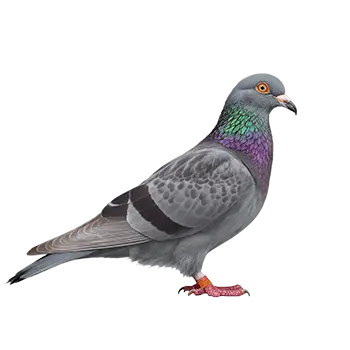

Determining when a fancy pigeon enters its senior years is not as straightforward as consulting a chart, because aging varies significantly across breeds and individual birds. As a general guideline, most fancy pigeons begin showing signs of age-related decline between seven and ten years, though some robust individuals remain vigorous well beyond that range. Smaller, less structurally exaggerated breeds tend to age more gracefully and live longer than heavily modified breeds whose anatomy places additional physiological demands on the body.
The first indicators of aging are often subtle and easy to overlook. A slight decrease in activity level, longer periods spent resting on the perch, reduced enthusiasm during feeding time, or a barely perceptible loss of muscle mass along the keel can all signal the beginning of the transition from prime adulthood to senior status. These changes develop gradually, and an attentive keeper who interacts with the bird daily is best positioned to notice them.
Breeding performance is another early indicator. Hens may produce fewer clutches per season, lay infertile eggs more frequently, or show decreased interest in nesting behavior. Cocks may become less persistent in their courtship displays or less vigorous in defending their nest site. Retiring aging birds from breeding before they reach the point of physical decline is a responsible management decision that prioritizes the individual bird's welfare.
Once a bird has been identified as entering its senior years, a veterinary examination establishes a baseline health profile that can be monitored over time. Blood work, fecal testing, and a thorough physical examination help identify any emerging conditions and allow the veterinarian to recommend age-appropriate adjustments to the bird's diet, environment, and medical care.