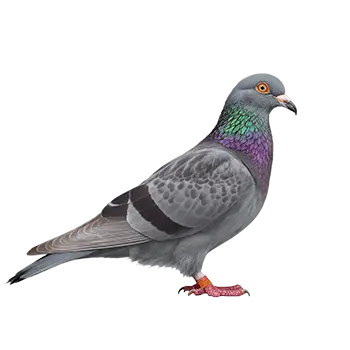

Recognizing when a fancy pigeon is approaching the end of its life requires careful observation and an honest assessment of the bird's overall trajectory. While a single bad day does not necessarily signal the end, a pattern of progressive decline across multiple areas of health and behavior is a meaningful indicator. The most common signs include sustained weight loss despite adequate food access, a persistent fluffed-up posture, withdrawal from the mate and flock, and a loss of interest in food and water.
Changes in droppings often accompany decline. Normal pigeon droppings are firm, well-formed, and consist of a dark fecal portion, a white urate component, and a small amount of clear liquid. Droppings that become consistently watery, discolored, excessively voluminous, or malodorous can indicate organ failure, severe infection, or systemic disease. While abnormal droppings alone are not diagnostic, they are an important piece of the clinical picture that should be communicated to your veterinarian.
Respiratory effort is another key indicator. A pigeon that breathes with visible effort, bobs its tail with each breath, or sits with its beak slightly open is in respiratory distress. In an aging bird with a chronic condition, worsening respiratory function may indicate that the disease has progressed beyond the point where the bird can compensate. Sudden respiratory collapse, on the other hand, can occur with acute infections, toxin exposure, or cardiovascular events and requires immediate veterinary attention.
Behavioral withdrawal is perhaps the most poignant sign. A pigeon that no longer responds to its mate's calls, ignores the daily feeding routine, and sits alone in a dark corner of the loft is communicating a fundamental change in its well-being. While pigeons do not express pain or distress the way mammals do, this withdrawal from the rhythms of life is widely regarded by experienced keepers as a meaningful signal that the bird is suffering or fading.