Ratshire Terrier
The Ratshire Terrier is a cross between the Yorkshire Terrier and the American Rat Terrier. Because each hybrid inherits a unique combination of traits from both parents, we recommend thoroughly researching both breeds before choosing a Ratshire Terrier. Pay special attention to temperament, health issues, and care requirements, as your dog may express characteristics from either parent breed.
Yorkshire Terrier

The Yorkshire Terrier is a diminutive yet perfectly proportioned toy breed that carries itself with an air of self-importance and confidence far exceeding its small size. The breed standard specifies a maximum weight of seven pounds, with most quality specimens weighing between four and seven pounds, though there is no official height standard in most registries. These dogs typically stand approximately six to nine inches at the shoulder. Despite their petite stature, Yorkshire Terriers display a compact, well-balanced body structure with a level topline and moderate bone that provides adequate substance without appearing coarse or delicate. The breed's most celebrated feature is its exquisite coat, which is long, perfectly straight, silky in texture, and glossy in appearance. Unlike many breeds, the Yorkshire Terrier's coat more closely resembles human hair than typical dog fur, growing continuously and requiring regular trimming if not kept in show condition. The coat parts naturally from the skull to the base of the tail and hangs evenly on each side of the body. The distinctive coloring follows a precise pattern: a rich, golden tan on the head, chest, and legs, combined with a dark steel blue covering the body from the back of the head to the root of the tail. Puppies are born black and tan, gradually developing their adult coloring over the first two to three years. The Yorkshire Terrier's head is small and rather flat on top, with a medium-length muzzle that is not overly prominent. The dark, sparkling eyes convey a sharp, intelligent expression characteristic of the breed's keen terrier temperament. Small V-shaped ears are carried erect, set moderately high on the head, adding to the alert appearance. The nose is black, and the teeth meet in a scissors or level bite. The tail is customarily docked to medium length in countries where this practice remains legal, carried slightly higher than the level of the back. The overall impression is of a spirited, determined little dog with an elegant, refined appearance.
Key Characteristics
Temperament Temperament Temperament Temperament Temperament Temperament Despite their bold nature, Yorkshire Terriers are affectionate companions that thrive on attention and human interaction. They adapt well to various living situations, including apartments, provided they receive adequate mental stimulation and exercise. Their energy level is surprisingly high for a toy breed, and they enjoy brisk walks, interactive play sessions, and activities that engage their sharp minds. Yorkshire Terriers can be good with older, respectful children but may not tolerate rough handling from young children. They often do well with other pets when properly introduced, though their terrier instincts may emerge around very small animals. The breed's tendency toward excessive barking requires management through training from an early age.
Health Considerations Health Considerations Health Considerations Health Considerations Health Considerations Health Considerations Hypoglycemia, or low blood sugar, poses a particular risk for Yorkshire Terrier puppies and very small adult specimens. Their small body mass and high metabolism make maintaining stable blood glucose levels challenging, especially during periods of stress, illness, or missed meals. Symptoms include weakness, trembling, disorientation, and in severe cases, seizures or collapse. Owners should feed multiple small meals throughout the day and keep a glucose supplement available for emergencies. Additional health concerns include patellar luxation, tracheal collapse common in toy breeds, Legg-Calvé-Perthes disease affecting the hip joint, liver shunts that bypass normal hepatic blood flow, progressive retinal atrophy, and portosystemic shunt. Von Willebrand's disease, a bleeding disorder, has also been documented in the breed.
American Rat Terrier
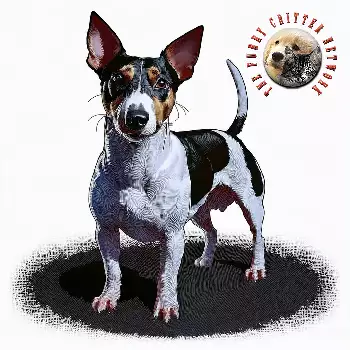
The American Rat Terrier is a compact, well-muscled small to medium-sized dog that presents an appearance of elegance combined with athletic capability. This breed comes in two distinct size varieties recognized by major kennel clubs: the Miniature, standing between 10 and 13 inches at the shoulder, and the Standard, measuring over 13 inches up to 18 inches in height. Weight varies proportionally with height, though the breed standard emphasizes moderate bone structure and a well-balanced physique rather than specific weight requirements. The body is slightly longer than tall, with a level back, well-sprung ribs, and a moderately wide chest that extends to the elbow. The breed's coat is short, smooth, dense, and characteristically shiny, requiring minimal grooming to maintain its healthy appearance. American Rat Terriers display a distinctive pied coloring pattern, featuring comparatively large patches of one or more colors combined with white. Acceptable colors include black, chocolate, red, apricot, blue, fawn, tan, and lemon, often appearing with tan points. The breed standard specifies that white should comprise between 10 and 90 percent of the coat, and solid-colored dogs without white markings are not permitted. The intense, dark shades with clearly defined color delineation are preferred in show specimens. The head resembles a smooth, blunt wedge when viewed from the front or in profile, widening gradually toward the base of the ears. The expression is intelligent, alert, and full of interest, achieved through obliquely set oval eyes that are positioned wide apart. Ears are set on the outside edge of the skull and may be carried erect, semi-erect, or tipped. The muzzle is strong and slightly shorter than the skull, tapering slightly toward the nose. The tail may be naturally bobbed, docked, or left full length, carried from slightly below horizontal to nearly erect depending on the dog's mood and attention level.
Key Characteristics
Temperament Temperament Temperament Temperament Temperament Temperament American Rat Terriers generally do well with children when raised together, though their terrier instincts may surface around very young or boisterous children. They can be somewhat reserved with strangers, making them excellent watchdogs without excessive barking. The breed typically coexists peacefully with other dogs, especially when properly socialized from puppyhood. However, their strong prey drive makes them unsuitable companions for small pocket pets. Without proper leadership and consistent boundaries, some individuals may develop small dog syndrome, attempting to assume pack leader status within the household.
Health Considerations Health Considerations Health Considerations Health Considerations Health Considerations Health Considerations Eye and cardiac conditions also warrant attention in the breed. Progressive retinal atrophy, a degenerative eye disease that gradually leads to blindness, has been documented in the breed. Regular ophthalmologic examinations can detect early signs of this condition. Some lines may carry genes for primary lens luxation, another serious eye disorder. Cardiac disease, including various heart murmurs and conditions, should be screened through veterinary cardiac evaluations. Additionally, the breed may be affected by congenital hypothyroidism, Von Willebrand's disease affecting blood clotting, and dental issues common to small breeds. Maintaining proper dental hygiene through regular brushing and professional cleanings helps prevent periodontal disease.
Important to Remember
Each hybrid dog is unique and may inherit any combination of traits from either parent breed. The information above represents the characteristics of the purebred parent breeds. Your Ratshire Terrier may favor one parent over the other or display a blend of both. We strongly encourage you to read the complete breed profiles for both the Yorkshire Terrier and American Rat Terrier to fully understand the range of possible temperaments, health concerns, and care requirements.