Morkie
The Morkie is a cross between the Maltese and the Yorkshire Terrier. Because each hybrid inherits a unique combination of traits from both parents, we recommend thoroughly researching both breeds before choosing a Morkie. Pay special attention to temperament, health issues, and care requirements, as your dog may express characteristics from either parent breed.
Maltese

The Maltese is a diminutive toy breed with ancient Mediterranean origins, weighing under 7 pounds according to breed standards with 4 to 6 pounds preferred for show competition and considered ideal for the breed. Height typically ranges from 7 to 10 inches at the shoulder, with females generally slightly smaller than males on average though both sexes should present the same refined, elegant appearance. The body is compact and well-proportioned, featuring a level topline without any roach or sway, and a length from shoulder to buttocks that roughly equals the height, creating a balanced square profile. Despite the tiny size, the Maltese carries itself with elegance and confidence, moving with a smooth, flowing gait that gives the impression of effortlessly gliding along the ground with a light, quick step. The most striking feature of the Maltese is its magnificent coat, which consists of a single layer of long, silky white hair that can grow to floor length when properly maintained and protected. Unlike most breeds, Maltese lack an undercoat, which reduces shedding significantly and contributes to the breed's reputation as potentially suitable for some allergy sufferers, though no dog is truly hypoallergenic. The coat parts naturally down the center of the back and hangs straight and flat against the body when properly conditioned, creating a flowing mantle of white that moves gracefully with the dog. Many pet owners opt for a shorter "puppy cut" that is easier to maintain, while show dogs display the dramatic full-length coat that showcases the breed's beauty. The head is proportionate to the body with a slightly rounded skull and moderate stop between the eyes and muzzle. The muzzle is medium length, fine, and tapered without being snipey or weak. Eyes are large, round, and very dark, set well apart with black eye rims creating the desired "halo" effect that adds to the breed's sweet, appealing expression. Ears are low-set, drop close to the head, and are covered with long, feathered hair that blends seamlessly with the neck coat. The nose is black, though some fading to brown or pink sometimes occurs, particularly in females during heat cycles or dogs lacking sun exposure. The tail is carried arched gracefully over the back with the long plume of hair falling to one side.
Key Characteristics
Temperament Temperament Temperament Temperament Temperament Temperament Maltese can be excellent family dogs for households with older, gentle children who understand how to interact appropriately with small, fragile dogs. Their tiny size makes them vulnerable to injury from rough handling or accidental drops, so close supervision with young children is essential. The breed tends to be friendly with other dogs and pets when properly socialized from a young age, though they may show some initial reserve or wariness toward strangers. Maltese are known to be vocal and will bark to alert owners of visitors or unusual sounds, which can become excessive without proper training and management. Separation anxiety is common due to their strong attachment to people, making them less suitable for households where they would be left alone for extended periods.
Health Considerations Health Considerations Health Considerations Health Considerations Health Considerations Health Considerations White Dog Shaker Syndrome is a neurological condition that primarily affects white-coated small breeds including Maltese, causing tremors throughout the body that typically appear in young adulthood between one and three years of age. While alarming in appearance, the condition usually responds well to steroid treatment and affected dogs can lead normal lives. Dental disease poses significant concerns for Maltese due to their small jaw size, often causing crowded teeth and making them prone to tartar accumulation, gum disease, and early tooth loss without diligent prevention. Daily brushing and regular professional cleanings are essential. Additional concerns include collapsing trachea causing coughing and breathing difficulties, eye problems such as progressive retinal atrophy, and hypoglycemia particularly in puppies and very small individuals.
Yorkshire Terrier
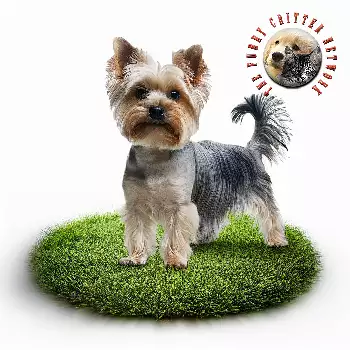
The Yorkshire Terrier is a small, elegant toy breed that weighs no more than 7 pounds according to breed standards, with most individuals falling between 4 and 7 pounds though some pet-quality specimens may be slightly larger. Height is not specified in the standard but typically ranges from 7 to 8 inches at the shoulder for dogs meeting weight requirements. Despite their tiny stature, Yorkies project confidence and self-importance in their carriage, holding their heads high and moving with purpose and spirit. The body is compact and well-proportioned with a level topline, creating a balanced, neat appearance that conveys both refinement and surprising substance for such a small dog. The coat is the breed's most distinctive and celebrated feature, consisting of long, straight, silky hair that parts naturally down the center of the back from the base of the skull to the tip of the tail and hangs evenly on each side. The texture is fine, glossy, and smooth, resembling human hair rather than typical dog fur in both appearance and feel. Like the Maltese, Yorkies lack an undercoat, which reduces shedding but requires diligent grooming to prevent matting. Adult coat color is a striking combination of dark steel blue on the body from the back of the neck to the base of the tail, and rich golden tan on the head, chest, and legs. Puppies are born black and tan, gradually developing their distinctive adult coloration over the first two to three years of life through a process that varies in timing and intensity between individuals. The head is small and flat on top, neither too round nor too prominent in skull. The muzzle is not too long, with a black nose and scissors bite. Eyes are medium-sized, dark, and sparkling with intelligence and keen expression that reflects the breed's alert, engaged personality. Dark eye rims enhance the bright, attentive appearance. Ears are small, V-shaped, set high, and carried erect, covered with short hair of deep rich tan color. The tail is customarily docked to medium length where permitted, carried slightly higher than the level of the back. Show dogs typically wear their coat at floor length with the head hair tied up in bows.
Key Characteristics
Temperament Temperament Temperament Temperament Temperament Temperament Yorkshire Terriers form devoted attachments to their families and thrive on attention and companionship, often becoming intensely bonded to one particular person while remaining affectionate with other family members. They are loving dogs that enjoy cuddling, burrowing under blankets, and close physical contact with their favorite people. However, their strong personality and small size mean they may not tolerate rough handling, making them better suited for families with older, considerate children who understand gentle interaction. Yorkies can be nippy if mishandled, startled, or feeling threatened. They may show assertiveness toward other dogs regardless of size difference, requiring careful introduction to new canine companions. The breed's vocal nature requires management.
Health Considerations Health Considerations Health Considerations Health Considerations Health Considerations Health Considerations Patellar luxation affects many Yorkies, with the kneecap prone to slipping out of position and causing intermittent lameness or a characteristic hopping gait that owners often notice during walks. Legg-Calve-Perthes disease, where blood supply to the hip joint deteriorates causing bone death and joint degeneration, occasionally appears in young dogs requiring pain management and sometimes surgical intervention. Eye conditions including cataracts, progressive retinal atrophy causing gradual blindness, and lens luxation can affect vision. Hypoglycemia is a particular concern in puppies and very small adults, requiring frequent meals to maintain stable blood sugar levels and prevent dangerous drops. Heart disease may develop with age. Regular veterinary care and awareness of potential issues help ensure the best possible health outcomes.
Important to Remember
Each hybrid dog is unique and may inherit any combination of traits from either parent breed. The information above represents the characteristics of the purebred parent breeds. Your Morkie may favor one parent over the other or display a blend of both. We strongly encourage you to read the complete breed profiles for both the Maltese and Yorkshire Terrier to fully understand the range of possible temperaments, health concerns, and care requirements.