German Malinois
The German Malinois is a cross between the Belgian Malinois and the German Shepherd Dog. Because each hybrid inherits a unique combination of traits from both parents, we recommend thoroughly researching both breeds before choosing a German Malinois. Pay special attention to temperament, health issues, and care requirements, as your dog may express characteristics from either parent breed.
Belgian Malinois
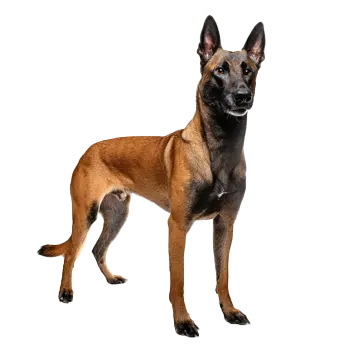
The Belgian Malinois is a medium to large-sized herding dog that projects an image of elegant power combined with remarkable athleticism and intensity. Males typically stand 24 to 26 inches at the withers and weigh 60 to 80 pounds, while females measure 22 to 24 inches and weigh 40 to 60 pounds. The breed displays a square profile when viewed from the side, with body length approximately equal to height at the withers. This well-balanced structure enables the explosive speed, agility, and endurance that have made the Malinois the premier choice for military and law enforcement operations worldwide. The head is carried proudly with an alert, intense expression reflecting the breed's confident character and exceptional mental focus. The short double coat is one of the breed's distinguishing features, setting it apart from the other Belgian Shepherd varieties with longer coats. The outer coat is straight, hard, and weather-resistant, lying close to the body with hair length ranging from one to two inches depending on the body area. A dense undercoat provides insulation appropriate to the breed's origins in the variable Belgian climate. Hair is notably shorter on the head, ears, and lower legs, while slightly longer hair forms a collarette around the neck and light feathering on the backs of the thighs and underside of the tail. The coat requires only moderate grooming but sheds seasonally. Coat color ranges from rich fawn to deep mahogany, with black tips on the individual hairs creating an overlay effect that gives depth and richness to the coloring. The distinctive black mask covers the muzzle and extends around the eyes and onto the ears, creating the intense expression characteristic of the breed. Eyes are medium-sized, almond-shaped, and dark brown in color, conveying alertness and sharp intelligence. Ears are triangular, stiff, and erect, set high on the head. The overall impression is of a lean, muscular dog built for demanding work, with every aspect of conformation contributing to functional capability rather than mere appearance.
Key Characteristics
Temperament Temperament Temperament Temperament Temperament Temperament Belgian Malinois form powerful bonds with their handlers and families, demonstrating unwavering loyalty and natural protective instincts. They can be aloof or reserved with strangers, displaying watchful assessment rather than immediate friendliness. This wariness, combined with their protective nature, makes early and extensive socialization absolutely essential. Without proper socialization, the breed's natural suspicion may become problematic. Belgian Malinois can do well with children in their own families but may be too intense for young children. They generally prefer to be with their people and do not tolerate being relegated to backyard isolation. The breed responds best to confident, experienced handlers who can provide consistent leadership and appropriate outlets for their exceptional capabilities.
Health Considerations Health Considerations Health Considerations Health Considerations Health Considerations Health Considerations Hypothyroidism occurs in the breed at notable rates, resulting from insufficient thyroid hormone production. Symptoms may include weight gain, lethargy, skin problems, and behavioral changes. The condition is manageable with daily medication once diagnosed. Pannus, an inflammatory condition affecting the cornea, may develop in Belgian Malinois and can lead to blindness without treatment. Epilepsy appears in the breed, causing seizure disorders that typically require lifelong management. Hemangiosarcoma, an aggressive cancer of blood vessel walls, represents a serious concern. Dental disease affects Belgian Malinois at higher rates than many breeds, emphasizing the importance of regular dental care. Persistent pupillary membranes occasionally occur as a congenital eye variation. Regular veterinary monitoring and appropriate preventive care help ensure Belgian Malinois reach their full lifespan potential.
German Shepherd Dog
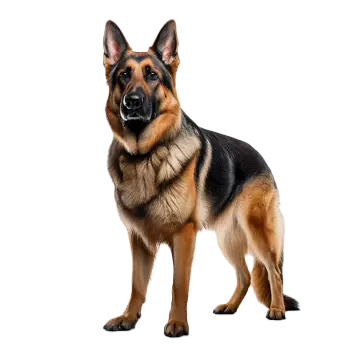
The German Shepherd Dog is a large, athletic breed that exemplifies power, agility, and noble character. Males typically stand 24 to 26 inches at the withers and weigh between 65 and 90 pounds, while females measure 22 to 24 inches and weigh 50 to 70 pounds. The breed presents a well-proportioned body that is slightly longer than tall, with the ideal ratio being approximately 10 to 8.5. This structure enables the fluid, far-reaching gait that allows the breed to work tirelessly for extended periods. The head is clean-cut and wedge-shaped, featuring a strong muzzle, intelligent almond-shaped eyes, and large erect ears that are moderately pointed and carried upright. The German Shepherd possesses a distinctive double coat that provides excellent protection against varying weather conditions. The outer coat consists of straight, harsh, close-lying hair of medium length, while the dense undercoat provides insulation during cold weather. Two coat varieties exist within the breed standard: the medium-length stock coat and the less common long-haired variety. Both types shed heavily, particularly during seasonal coat changes in spring and fall. Regular brushing helps manage shedding and maintains coat health. Acceptable coat colors include black and tan in the classic saddle pattern, sable with black-tipped hairs over a lighter base, solid black, and various gray variations. The black saddle over rich tan remains the most recognized coloration, though solid black German Shepherds are equally valued in working lines. White coloring is considered a disqualification by most kennel clubs, though white German Shepherds have their own devoted following. The muscular neck flows into a deep chest that reaches to the elbow, and a straight, firmly muscled back ends in a gradually sloping croup. The bushy tail hangs in a gentle curve when at rest and extends at least to the hock. Overall, the breed radiates strength, intelligence, and steadfast working capability.
Key Characteristics
Temperament Temperament Temperament Temperament Temperament Temperament German Shepherds typically display reserved behavior with strangers, exhibiting watchful aloofness rather than immediate friendliness. This characteristic makes early and ongoing socialization essential to ensure appropriate responses to new people, animals, and situations. The breed possesses strong protective instincts that must be properly managed through training to prevent overprotective behaviors. Well-bred and properly raised German Shepherds demonstrate excellent judgment and do not display inappropriate aggression. They generally get along well with children and other family pets when raised together, though their herding instincts may occasionally manifest. The breed does best with experienced owners who provide consistent leadership, clear boundaries, and meaningful engagement.
Health Considerations Health Considerations Health Considerations Health Considerations Health Considerations Health Considerations Exocrine pancreatic insufficiency affects the breed at elevated rates, occurring when the pancreas fails to produce adequate digestive enzymes. Affected dogs experience weight loss despite ravenous appetite, along with digestive symptoms. Epilepsy causes seizure disorders in the breed that typically require lifelong medication management. Pannus, an inflammatory eye condition that can lead to blindness, occurs more frequently in German Shepherds than other breeds and worsens with UV exposure. The breed shows increased susceptibility to various cancers including hemangiosarcoma and lymphoma. A UK study identified musculoskeletal disorders as the leading cause of death in the breed. Regular veterinary care, maintaining healthy weight, and appropriate exercise help maximize health outcomes.
Important to Remember
Each hybrid dog is unique and may inherit any combination of traits from either parent breed. The information above represents the characteristics of the purebred parent breeds. Your German Malinois may favor one parent over the other or display a blend of both. We strongly encourage you to read the complete breed profiles for both the Belgian Malinois and German Shepherd Dog to fully understand the range of possible temperaments, health concerns, and care requirements.