Australian Yorkshire Terrier
The Australian Yorkshire Terrier is a cross between the Australian Terrier and the Yorkshire Terrier. Because each hybrid inherits a unique combination of traits from both parents, we recommend thoroughly researching both breeds before choosing a Australian Yorkshire Terrier. Pay special attention to temperament, health issues, and care requirements, as your dog may express characteristics from either parent breed.
Australian Terrier
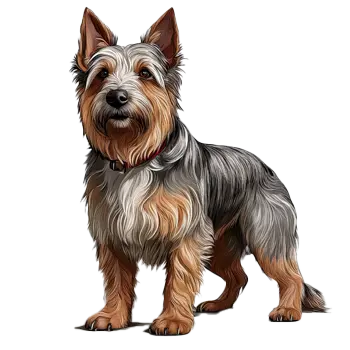
The Australian Terrier is a small but sturdy dog that presents a picture of determination and rugged capability in a compact package. Standing 10 to 11 inches at the shoulder and weighing between 15 and 20 pounds with an ideal weight around 14 pounds according to breed standards, this terrier possesses a solid, low-set body that is longer than it is tall. The breed's structure reflects its original purpose as a working terrier capable of hunting vermin and snakes in the harsh Australian outback. Despite their small stature, Australian Terriers display remarkable substance and bone for their size, conveying strength and endurance. The coat of the Australian Terrier is one of its most distinctive features, consisting of a harsh, straight outer coat approximately two inches in length with a shorter, softer undercoat. This double coat provides excellent protection from weather extremes and the rough terrain where the breed originally worked. The texture is described as harsh or crisp, which helps repel dirt and debris. Australian Terriers display three accepted color patterns: blue and tan, solid red, and solid sandy. The blue and tan variety shows a blue body with rich tan markings on the face, ears, legs, and under the tail. A notable feature is the soft, silky topknot that adorns the head, contrasting with the harsher body coat. The head of the Australian Terrier is long and strong with a flat skull and a definite stop. The muzzle is powerful and of equal length to the skull, giving the face a balanced appearance. Small, dark eyes set well apart express keen intelligence and a spirited demeanor typical of the terrier group. The V-shaped ears are small, set high on the skull, and may be either pricked or dropped forward close to the skull. The neck is long and slightly arched, blending into well-laid-back shoulders. The tail was traditionally docked but is naturally carried erect, continuing the line of the back. The overall expression conveys alertness and confidence befitting this spirited little terrier.
Key Characteristics
Temperament Temperament Temperament Temperament Temperament Temperament Despite their terrier tenacity, Australian Terriers tend to be more easygoing and adaptable than many of their terrier cousins. They adjust well to various living situations provided they receive adequate exercise and mental stimulation. The breed generally gets along well with children who treat them respectfully, though supervision is recommended with very young children due to the terrier's feisty nature. Australian Terriers enjoy interactive play, walks, and activities that engage their natural curiosity. Their manageable size and moderate exercise needs make them suitable for apartment living, though they appreciate access to a secure yard where they can explore and patrol their territory.
Health Considerations Health Considerations Health Considerations Health Considerations Health Considerations Health Considerations Eye conditions represent another area of health concern for Australian Terriers. Cataracts can develop and impair vision, while keratoconjunctivitis sicca, commonly known as dry eye, occurs when tear production is insufficient to keep the eyes properly lubricated. This condition requires ongoing management with artificial tears or other treatments. Skin allergies may affect some Australian Terriers, causing itching, irritation, and secondary skin infections. Additionally, the breed has been identified as having some susceptibility to degenerative myelopathy, a progressive disease affecting the spinal cord. Responsible breeders screen for hereditary conditions and maintain health records to help reduce the incidence of these problems in future generations.
Yorkshire Terrier
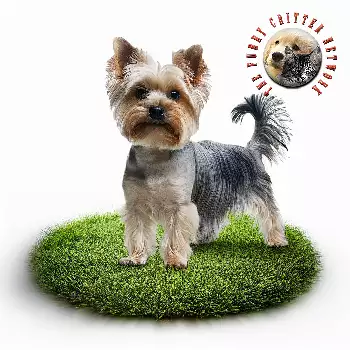
The Yorkshire Terrier is a diminutive dog of remarkable elegance, combining a toy-sized frame with a confident bearing that commands attention far beyond its physical presence. According to breed standards, Yorkies should not exceed 7 pounds, with most weighing between 4 and 7 pounds, and standing approximately 6 to 9 inches tall at the shoulder. Despite their tiny stature, these dogs carry themselves with surprising self-importance and exhibit a compact, well-proportioned body structure. The back is short and level, creating a square appearance when viewed from the side. The Yorkshire Terrier's coat is perhaps its most distinguishing feature and the source of much of the breed's glamorous reputation. The coat is exceptionally fine, silky, and perfectly straight, falling to floor length in show specimens. Unlike many breeds, Yorkies possess a single coat without an undercoat, which makes the texture similar to human hair. The coloring is highly specific: puppies are born black and tan, with the coat gradually transitioning to a steel blue on the body and a rich, golden tan on the head, chest, and legs as the dog matures. The long hair on the head is typically gathered into a topknot to keep it out of the eyes. The head of the Yorkshire Terrier is small and rather flat on top, with a moderately short muzzle and a black nose. The eyes are medium-sized, dark, and sparkling with intelligence and mischief. Small, V-shaped ears are carried erect and set relatively high on the head, adding to the alert expression. The tail was traditionally docked to medium length and carried slightly higher than the level of the back. The overall appearance should convey an air of importance and confidence, with every aspect of grooming and presentation emphasizing the breed's refined elegance. The flowing coat requires extensive daily maintenance to prevent tangling and maintain its beautiful condition.
Key Characteristics
Temperament Temperament Temperament Temperament Temperament Temperament Yorkshire Terriers adapt well to various living situations, making them popular choices for apartment dwellers. They possess moderate energy levels satisfied with daily walks and indoor play sessions, though they remain surprisingly athletic for their size. Yorkies generally get along well with older children who handle them gently, but their small size makes them vulnerable to injury from rough play. Socialization from puppyhood helps these dogs develop confidence around strangers and new situations. While their diminutive stature allows them to be pampered as lap dogs, Yorkshire Terriers benefit from training, boundaries, and opportunities to exercise their natural curiosity.
Health Considerations Health Considerations Health Considerations Health Considerations Health Considerations Health Considerations Yorkshire Terriers commonly experience dental problems due to their small mouths, which can lead to overcrowding and accelerated tartar buildup. Regular dental care including brushing and professional cleanings helps prevent periodontal disease. The breed is predisposed to portosystemic shunt, a liver condition where blood vessels bypass the liver rather than flowing through it properly. Symptoms may include stunted growth, behavioral abnormalities, and digestive issues. Retinal dysplasia and other eye conditions can occur, as can patent ductus arteriosus, a heart defect. Regular veterinary examinations help monitor for these conditions and enable early intervention when problems arise.
Important to Remember
Each hybrid dog is unique and may inherit any combination of traits from either parent breed. The information above represents the characteristics of the purebred parent breeds. Your Australian Yorkshire Terrier may favor one parent over the other or display a blend of both. We strongly encourage you to read the complete breed profiles for both the Australian Terrier and Yorkshire Terrier to fully understand the range of possible temperaments, health concerns, and care requirements.