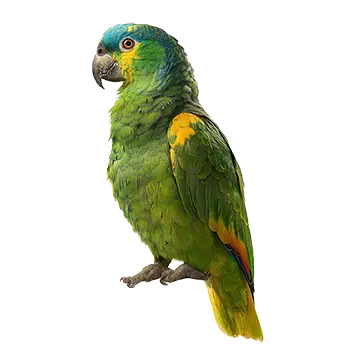
Proper nutrition is fundamental to Blue-Fronted Amazon health and longevity, with diet directly impacting immune function, feather quality, behavior, and lifespan. In their natural South American habitat, these parrots consume a diverse seasonal diet of fruits, nuts, seeds, flowers, leaf buds, and occasionally protein from insects. Captive birds require a similarly varied diet to meet their nutritional needs and prevent the obesity and nutritional deficiencies commonly seen in pet Amazon parrots.
The foundation of a Blue-Fronted Amazon's captive diet should be high-quality, formulated pellets specifically designed for large parrots. Pellets should comprise approximately 60-70% of the daily diet, providing balanced nutrition with appropriate protein, fat, vitamins, and minerals. Choose pellets from reputable manufacturers like Harrison's, TOPS, or Roudybush, avoiding those with artificial colors, flavors, or excessive sugar. Some Blue-Fronted Amazons resist pellets initially if they were raised on seeds, requiring gradual transition by mixing increasing proportions of pellets with familiar foods over several weeks.
Fresh vegetables should constitute approximately 20-30% of the daily diet, offering essential vitamins, minerals, and beneficial phytonutrients. Excellent vegetable choices include dark leafy greens like kale, collard greens, and mustard greens (high in vitamin A and calcium), orange vegetables like carrots, sweet potatoes, and winter squash (vitamin A sources), cruciferous vegetables like broccoli and cauliflower, peppers of all colors, green beans, peas, and sprouted beans. Rotate vegetables daily to provide nutritional variety and prevent boredom. Chop vegetables into appropriate sizes for easy handling, or offer them whole to provide foraging enrichment. Some Blue-Fronted Amazons prefer vegetables slightly cooked while others enjoy them raw.
Fruits should be offered more sparingly than vegetables, comprising approximately 5-10% of the diet due to their high sugar content. Amazon parrots are prone to obesity and diabetes-like conditions when fed excessive fruit or sugary foods. Appropriate fruits include berries (blueberries, strawberries, raspberries), pomegranate, papaya, mango, melon, apple, pear, citrus fruits, and tropical fruits. Always remove seeds and pits from fruits like apples, cherries, and stone fruits, as these contain cyanide compounds toxic to birds. Wash all produce thoroughly to remove pesticide residues, or choose organic options when possible.
Healthy grains and legumes can supplement the diet in moderation. Offer cooked whole grains like quinoa, brown rice, oats, and whole wheat pasta, as well as cooked beans and lentils (never raw, which are toxic). These foods provide protein, complex carbohydrates, and fiber. Many Blue-Fronted Amazons enjoy cooked grains mixed with chopped vegetables as a warm, nutritious meal.
Nuts are excellent treats for Blue-Fronted Amazons but should be offered sparingly due to their high fat content. Appropriate nuts include almonds, walnuts, pecans, Brazil nuts (one per week maximum due to selenium content), and pine nuts. Offer nuts in-shell when possible to provide natural foraging enrichment and beak exercise. Limit nuts to 2-3 per day maximum to prevent obesity.
Seed-based diets should be avoided as primary nutrition, though small amounts of seeds can be offered as treats or foraging enrichment. Historically, many pet parrots were fed seed-only diets, resulting in severe nutritional deficiencies, obesity, fatty liver disease, and shortened lifespans. Seeds are high in fat and deficient in essential nutrients like vitamin A, calcium, and many amino acids. If offering seeds, choose a limited variety like safflower, a small amount of sunflower, or millet as occasional treats rather than dietary staples.
Certain foods are toxic to Blue-Fronted Amazons and must be strictly avoided. These include chocolate (extremely toxic), avocado (can cause heart failure), caffeine, alcohol, salt, sugar, onions, garlic, rhubarb leaves, and foods containing xylitol. Additionally, avoid giving parrots food from your mouth due to bacterial contamination risks. Never feed birds anything with added salt, sugar, or artificial ingredients.
Calcium supplementation deserves special attention for Blue-Fronted Amazons, particularly females who may lay eggs. Provide a cuttlebone or mineral block in the cage for voluntary calcium intake. Dark leafy greens also provide dietary calcium. Some birds may benefit from calcium supplements in drinking water, though consult an avian veterinarian before supplementing.
Vitamin supplementation through sprinkled powders or drops is generally unnecessary if birds eat a varied diet with pellets, fresh vegetables, and fruits. Over-supplementation can cause toxicity, particularly with fat-soluble vitamins like A, D, E, and K. If your bird eats a limited diet or your veterinarian identifies deficiencies through blood work, targeted supplementation may be necessary.
Fresh, clean water must be available at all times in a clean bowl or water bottle. Change water at least once daily, more frequently if birds drop food in the water. Some owners use water bottles to keep water cleaner, though ensure birds know how to use them. Avoid water additives unless specifically prescribed by a veterinarian, as these can alter taste and discourage drinking or promote bacterial growth.
Foraging opportunities enrich feeding time and provide mental stimulation. Hide portions of the daily diet in foraging toys, wrapped in paper, tucked into cardboard tubes, or scattered among crinkled paper. This encourages natural foraging behaviors, slows eating, and provides entertainment. Vary foraging difficulty to maintain challenge and interest.
Monitor your Blue-Fronted Amazon's weight regularly using a gram scale. Adults typically weigh 350-450 grams, though individuals vary. Sudden weight loss can indicate illness, while gradual gain suggests obesity. Work with your avian veterinarian to determine your bird's ideal weight range and adjust diet accordingly. Amazon parrots have a reputation for becoming obese in captivity, so portion control and high-activity levels are essential for maintaining healthy weight throughout their long lives.