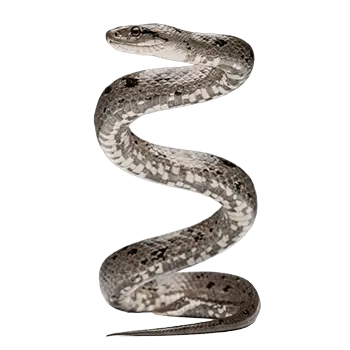

The legal status of the Gray Rat Snake at the federal level in the United States is shaped by a framework of wildlife statutes that, while not specifically targeting this species, establish the broad legal context within which all native reptile species are managed. The primary federal statutes relevant to native non-venomous snakes are the Lacey Act, the Endangered Species Act, and the regulations promulgated by the U.S. Fish and Wildlife Service. Understanding how these laws apply to the Gray Rat Snake requires an appreciation of both what they regulate and what they leave to state and local authority.
The Lacey Act, originally enacted in 1900 and subsequently amended multiple times, prohibits the interstate transport of wildlife taken in violation of state, tribal, or foreign law. For the Gray Rat Snake, this means that any specimen collected from the wild in a state where such collection is regulated or prohibited cannot legally be transported across state lines. The Lacey Act does not independently regulate the collection or possession of Gray Rat Snakes, but it transforms state-level violations into federal offenses when interstate commerce is involved, adding significant legal weight to state wildlife regulations. Violations of the Lacey Act can result in substantial fines and criminal penalties, making it essential for anyone involved in the collection, sale, or transport of Gray Rat Snakes to verify compliance with the laws of every jurisdiction involved in a transaction.
The Endangered Species Act does not currently list the Gray Rat Snake as threatened or endangered at the federal level, and the species is not under consideration for listing. The Gray Rat Snake's broad distribution, its adaptability to a range of habitats including human-modified landscapes, and its generally stable population status across most of its range place it well outside the criteria that trigger federal endangered species protections. However, the taxonomic revisions that separated the Gray Rat Snake from the Black Rat Snake and other members of the former obsoleta complex have introduced nuances that are relevant to regulatory discussions, as population assessments that were previously conducted at the complex level must now be reevaluated for each newly recognized species individually.
The U.S. Fish and Wildlife Service administers permits for the import and export of wildlife and oversees compliance with international trade agreements. While the Gray Rat Snake is not listed under the Convention on International Trade in Endangered Species of Wild Fauna and Flora, any international shipment of the species is still subject to USFWS inspection and documentation requirements. Breeders and dealers who export Gray Rat Snakes to international buyers must comply with the wildlife declaration and inspection procedures that apply to all wildlife shipments leaving the United States, and must also verify that the receiving country permits the import of the species.