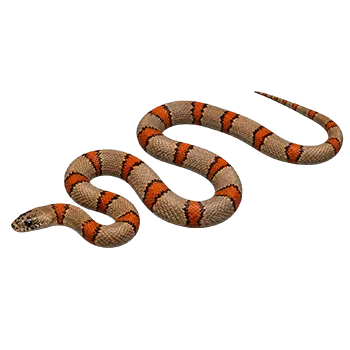

Proper preparation is the foundation of safe and stress-free transport for the Gray-Banded Kingsnake. As a species adapted to the stable microclimate conditions found within deep rock crevices and underground retreats in the Chihuahuan Desert, the Gray-Banded Kingsnake is less tolerant of the rapid environmental fluctuations that can occur during transport than some hardier colubrid species. Taking the time to prepare carefully before any journey, whether a short drive to a veterinary appointment or a multi-day trip to a distant reptile expo, significantly reduces the risk of transport-related stress, injury, or illness.
The selection of an appropriate transport container is the single most important preparation step. For Gray-Banded Kingsnakes, a well-ventilated plastic container with a secure, locking lid provides the best combination of security, visibility for monitoring, and ease of cleaning. The container should be large enough for the snake to adopt a loosely coiled resting position but small enough to prevent excessive movement during transit, as being jostled around inside a too-large container is a significant source of transport stress. A layer of crumpled, unbleached paper towel or newspaper on the container floor provides traction and absorbs any waste produced during the journey.
Hydration management before transport deserves particular attention with this species. The Gray-Banded Kingsnake should have access to fresh water for at least twenty-four hours before a planned journey, allowing it to drink and hydrate fully before entering the transport container. However, feeding should be suspended for a minimum of seventy-two hours before transport to ensure complete digestion and reduce the risk of regurgitation, which is a serious health concern in kingsnakes subjected to the stress and temperature variation of travel.
The timing of transport should be planned with reference to the species' natural activity cycle and the ambient conditions expected during the journey. As a nocturnal species accustomed to emerging during the cooler hours of the desert night, the Gray-Banded Kingsnake is most comfortable when transported during the cooler parts of the day or during evening hours. Travel during the heat of the day, particularly during the summer months, should be avoided unless the transport vehicle's climate control system can maintain stable interior temperatures.
For breeders and keepers who transport multiple Gray-Banded Kingsnakes simultaneously, organizational preparation is equally important. Each animal should be housed in its own individually labeled transport container, with labels indicating the specimen's identification, sex, locality if known, and any relevant health or behavioral notes. Maintaining a written inventory of all animals being transported, along with copies of any required permits or health certificates, protects against confusion and provides documentation in the event of a regulatory encounter during transit.